
0 m · Surface · People of Mexico · Chiapas
Tzotzil Maya Weaving: Backstrap Looms and Dress in Highland Chiapas
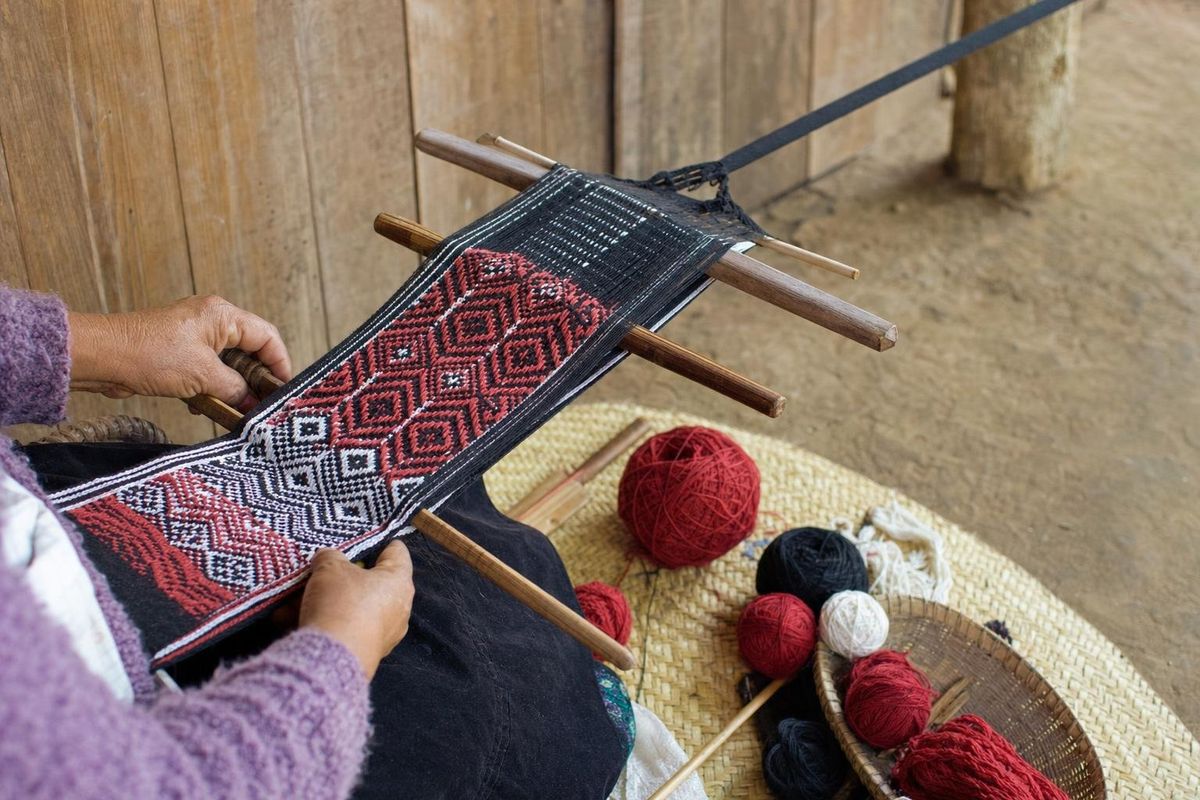
The Tzotzil Maya live in the cool, pine-covered highlands of Chiapas around San Cristóbal de las Casas, and their weaving is one of the most distinctive textile traditions in Mexico. Cloth is still woven on the backstrap loom, and each village wears its own colors and designs, so a trained eye can often tell where someone is from by their clothing.
The Tzotzil and their highlands
Tzotzil is a Maya language closely related to Tzeltal, spoken by several hundred thousand people in Chiapas. The Tzotzil call themselves bats'i vinik, true people (with variants by village). Their communities lie in the mountains north and west of San Cristóbal, among them San Juan Chamula, Zinacantán, San Andrés Larráinzar, Chenalhó and Huixtán. Each is a municipality with its own traditional authorities, festivals and dress.
Weaving is overwhelmingly done by women and girls, learned at home from an early age. In many families it is also a source of income, sold through cooperatives, markets and shops in San Cristóbal. Since the 1970s, weaving cooperatives in the highlands have helped women set their own prices, document old designs and reach buyers outside Chiapas.
The backstrap loom
The backstrap loom is the oldest loom in the Maya world, and Classic-period figurines show women weaving on it. One end of the warp is tied to a post or tree, the other to a bar attached to a strap that passes behind the weaver's lower back. By leaning back or forward she controls the tension of the warp threads. Wooden sticks open alternate sheds, and a flat batten beats each weft row into place.
The width of the cloth is limited by the reach of the weaver's arms, which is why traditional garments are made from narrow panels sewn together. A huipil, the sleeveless or short-sleeved tunic worn by women, may combine two or three such panels.
Brocade
Most of the patterning is brocade: extra colored threads, the supplementary weft, are worked into the cloth as it is woven to create motifs that float on the surface. Diamonds, zigzags, frogs, vultures, saints and flowers appear in bands. Some scholars and weavers read the diamond as a representation of the cosmos, with the four corners as the directions and the sun's path across the sky; others treat such readings with caution. Interpretations differ from village to village and from one weaver to the next.
Village by village
San Juan Chamula
Chamula is known for its wool. Men's tunics, called chujes, are made of thick wool, often black or white, worn over shirts and belted at the waist; women wear black wool skirts. Sheep are raised for their fleece and, by widely reported custom, are not eaten. The wool is spun with a hand spindle, woven, then felted by washing and pounding to make it dense and warm.
Zinacantán
Zinacantán, just west of San Cristóbal, is a flower-growing town, and its clothing reflects it. Shawls and men's ponchos are woven with fine stripes and then heavily embroidered with flowers in purples, blues, pinks and greens. The colors and patterns change with fashion, and the town's weavers are known for updating them from year to year, a reminder that traditional dress is not static.
San Andrés Larráinzar and Magdalenas
In Larráinzar and the nearby community of Magdalenas (Aldama), ceremonial huipiles carry dense red brocade and are among the most admired textiles of the highlands. The most elaborate are made for saints' statues and festival use and can take months.
Dress and community roles
In several highland municipalities, people who hold religious and civic offices for a year, the cargo system, wear special garments during their service: particular hats, ribbons, black wool coats or ceremonial tunics. These are not costumes for visitors but signs of responsibility, and they appear most clearly during saints' festivals and Carnival. Embroidery, as distinct from brocade, is added with a needle after weaving, and many villages combine the two. Zinacantán leans toward embroidery, Larráinzar toward brocade.
Wool, cotton and dyes
Cotton was the original Maya fiber; wool arrived with Spanish sheep and suits the cold, wet highlands. Today both are used, along with acrylic and commercial yarns that add bright colors. Some cooperatives have revived natural dyes, among them indigo for blues, cochineal for reds and various plants for yellows and browns.
Where to see and buy Tzotzil textiles
San Cristóbal de las Casas is the main market. The former convent of Santo Domingo houses a textile museum with collections from across the Maya highlands, and the open-air craft market around the church sells textiles from many villages. Several weaving cooperatives in the city sell directly on behalf of their members, which is the clearest way to see the money reach the weavers.
Visiting the villages is possible by colectivo or with a local guide from San Cristóbal. Chamula's Sunday market is the largest. Practical notes:
- Photography: always ask before photographing anyone. In San Juan Chamula, photography inside the church of San Juan is strictly forbidden, and rules on photographing in public areas are taken seriously. Respect them.
- Prices: bargaining is expected at market stalls, but a handwoven piece represents weeks or months of labor. Keep that in mind before pushing too hard.
- Quality: look at the back of brocaded cloth; even tension, firm edges and neat floats indicate careful weaving. Machine-made copies have perfectly regular patterns and identical pieces.
- Use: some designs are ceremonial or tied to a community's identity. Ask the seller how a piece is worn before wearing it.
For a wider look at the region, see the pages on Chiapa de Corzo and the Maya ruins of Bonampak, whose murals show richly woven clothing of the Classic period. Other crafts and communities are gathered in the People of Mexico section.
Tzotzil weaving: questions
What is a backstrap loom?
A simple loom with one end tied to a post and the other to a strap around the weaver's back. Leaning back tightens the warp. It has been used in the Maya world for well over a thousand years.
What is a huipil?
A tunic worn by Indigenous women in Mexico and Central America, made from rectangular panels of woven cloth, often decorated with brocade or embroidery.
Where are Tzotzil textiles sold?
In San Cristóbal de las Casas, through weaving cooperatives and at the craft market around Santo Domingo, and in village markets such as Chamula on Sundays.
Is photography allowed in San Juan Chamula?
Not inside the church, where photography is forbidden. Elsewhere, always ask permission before photographing people.
Why do Tzotzil villages wear different clothing?
Dress marks community identity. Each municipality has its own colors, garments and designs, which also change over time.
Nearby on the map
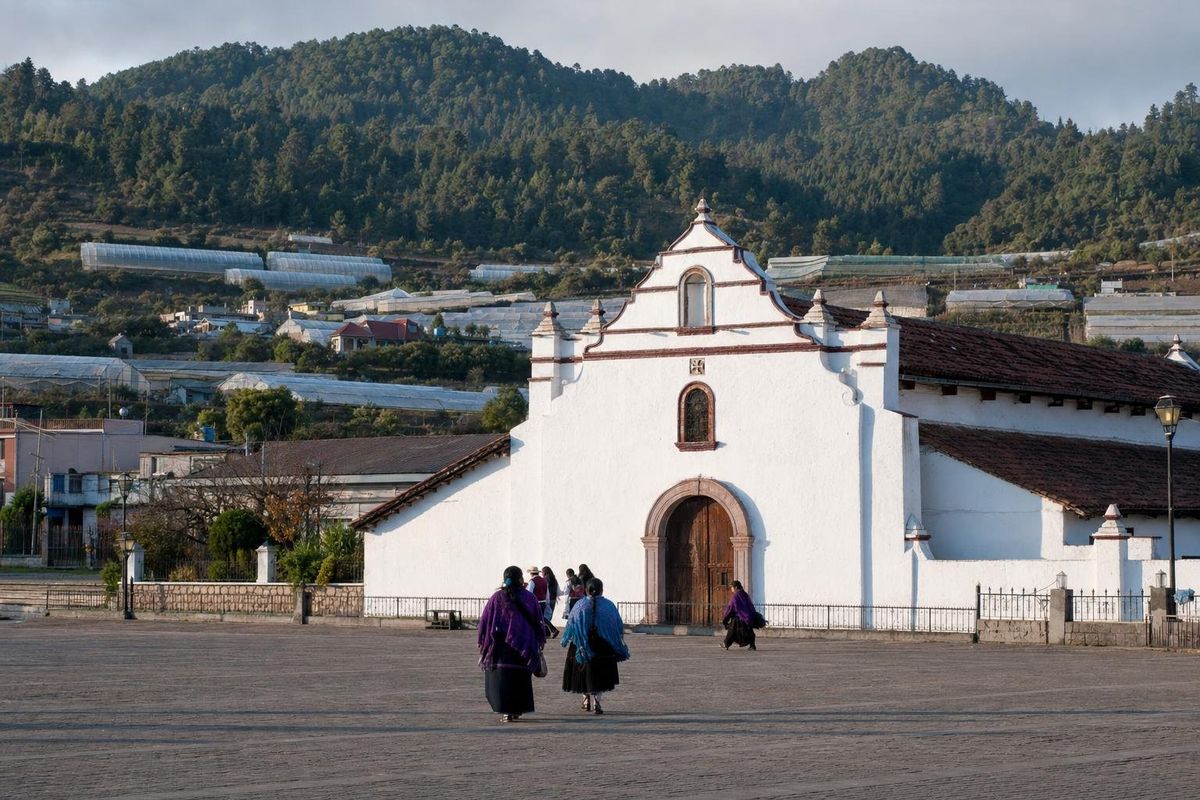
AI-generated image Towns & Villages · Chiapas
Zinacantán
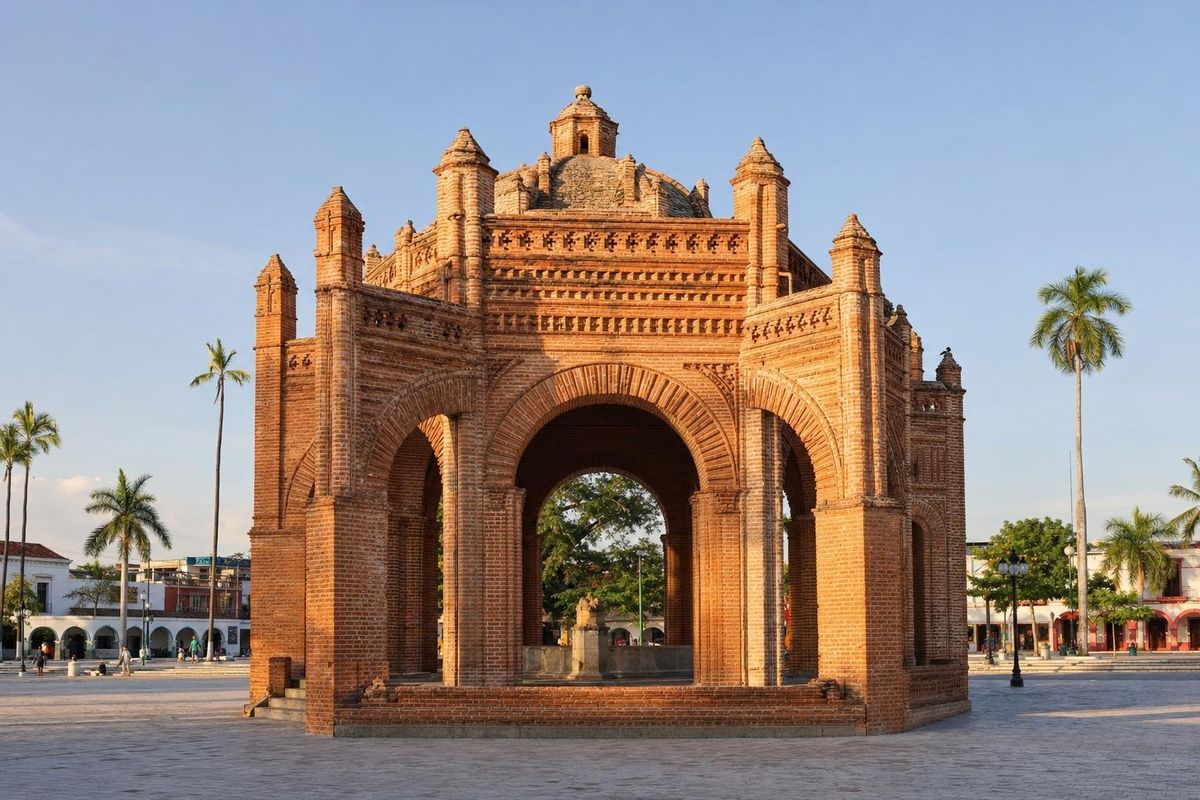
AI-generated image Towns & Villages · Chiapas
Chiapa de Corzo
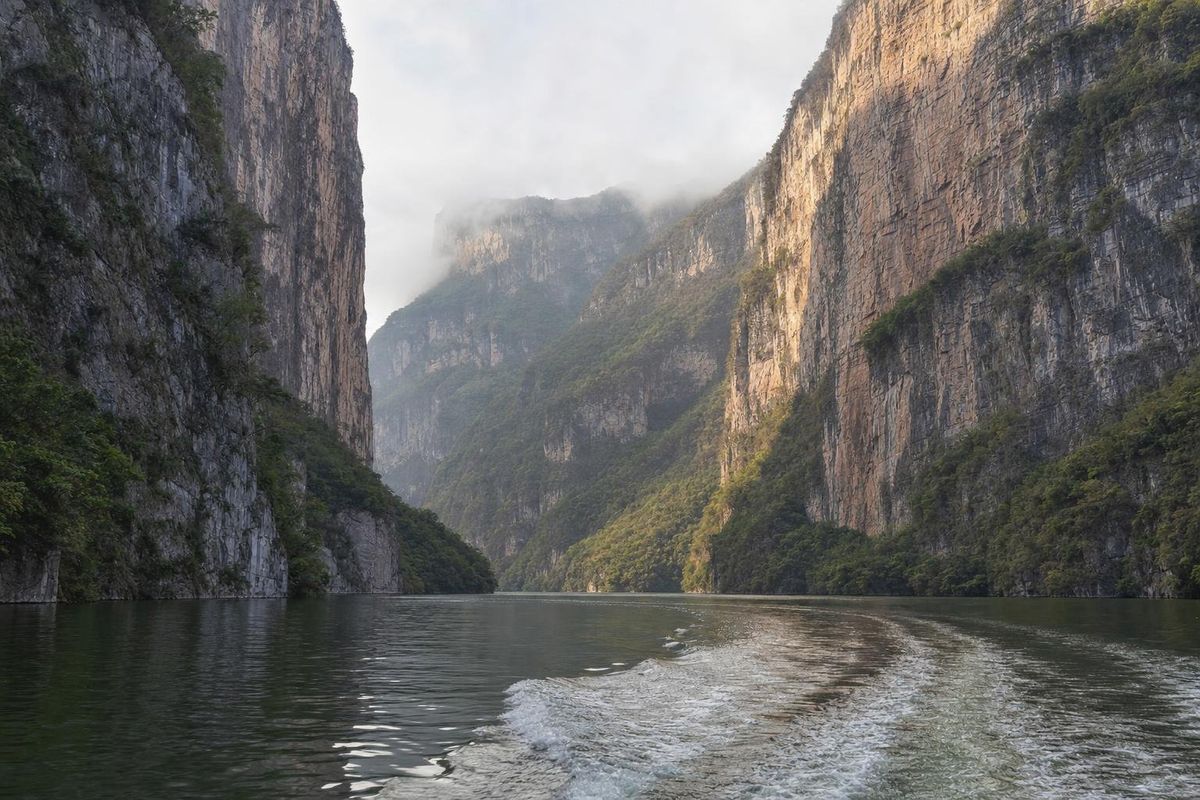
AI-generated image Lakes & Rivers · Chiapas
Sumidero Canyon

AI-generated image Lakes & Rivers · Chiapas
Agua Azul