
0 m · Islands
Islands of Yucatán: Isla Mujeres, Isla Contoy, Cozumel and Cerritos
The islands off the peninsula range from a busy ferry hop to protected sanctuaries with a cap on visitors. Several were important to the Maya long before tourism.
Every guide in Islands
AI-generated image Islands · Yucatán
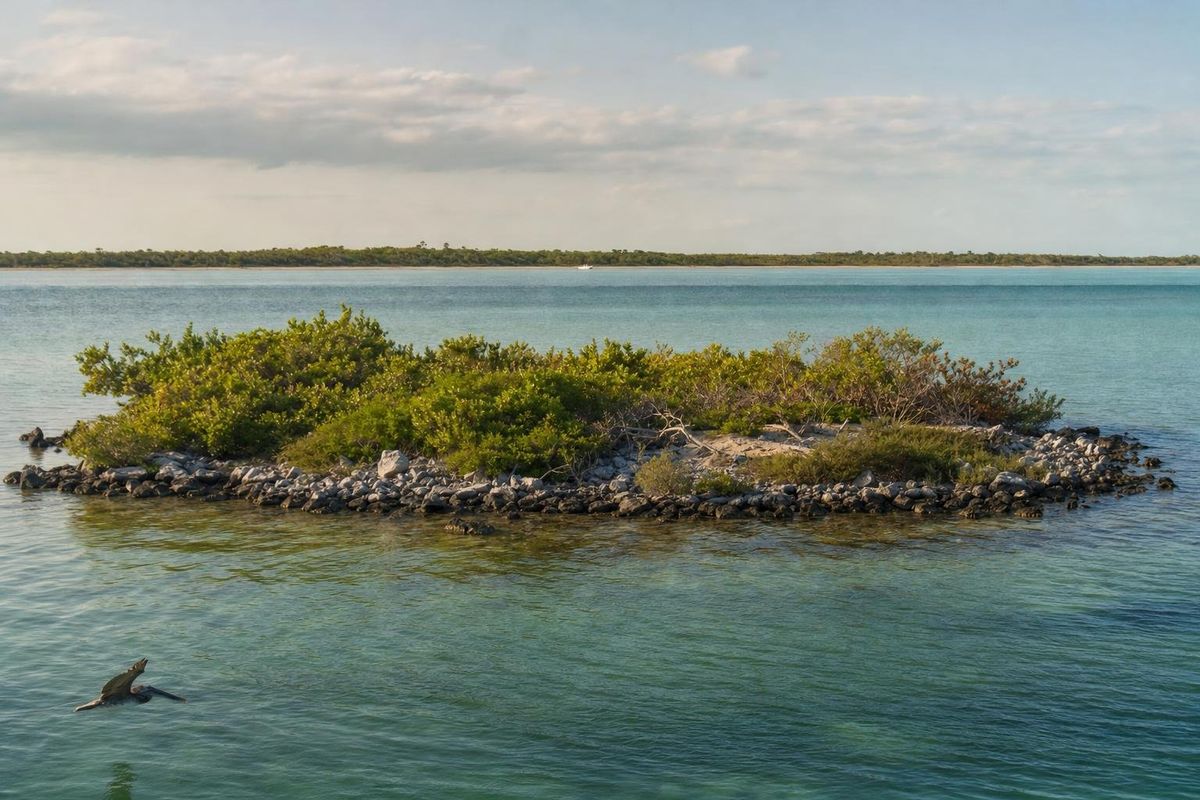
Isla Cerritos
AI-generated image Islands · Quintana Roo
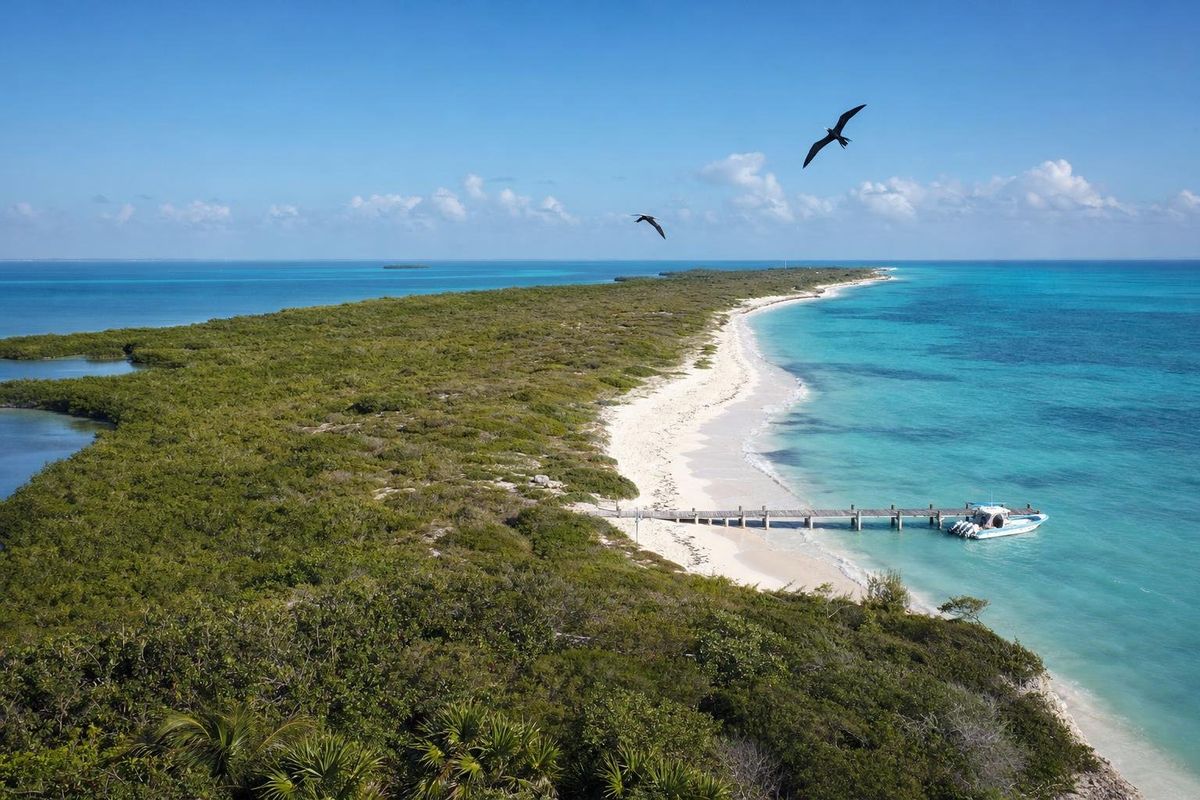
Isla Contoy
AI-generated image Islands · Quintana Roo
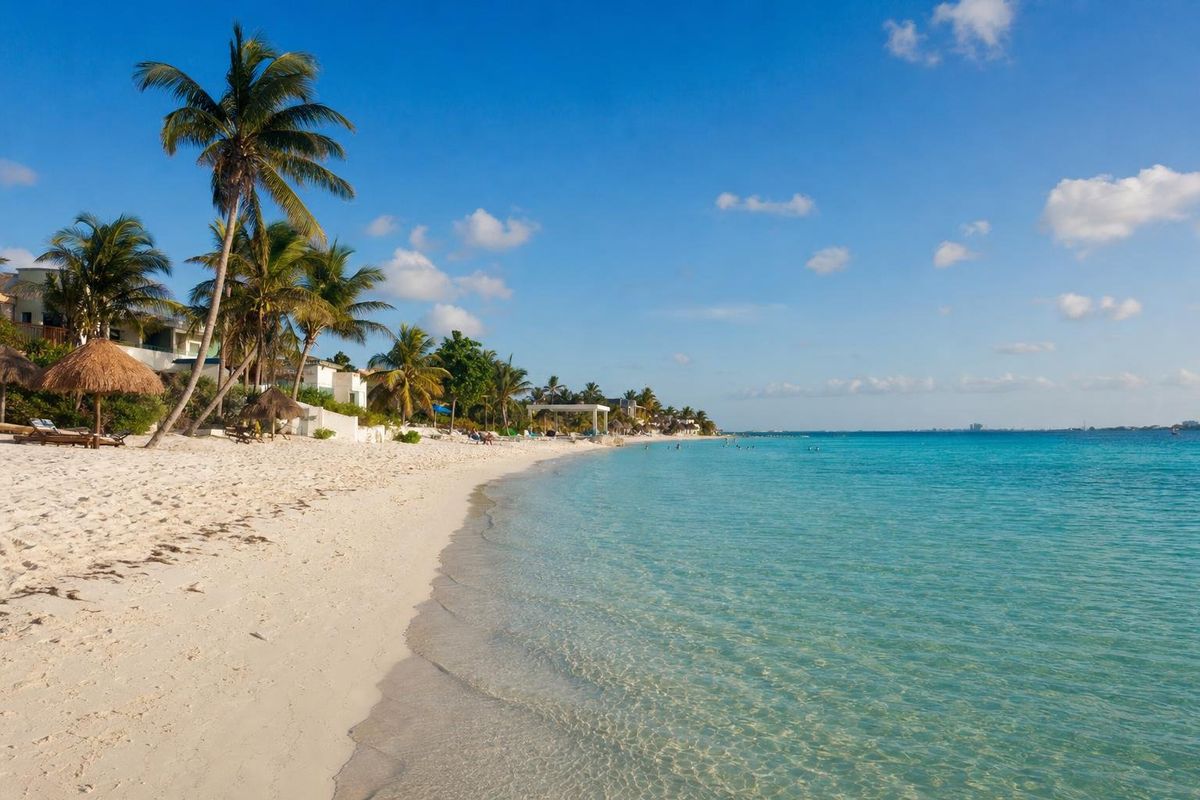
Isla Mujeres
Islands built on reef and sand
Most islands off the Yucatán coast are low and flat, formed from reef limestone and sand rather than volcanic rock. On the Caribbean side they sit along the same shelf as the Mesoamerican Barrier Reef, which makes the water around them some of the clearest in the region. In the north, where the Gulf of Mexico meets the Caribbean, the sea is shallower and the islands are fringed by mangroves and sandbanks that attract birds. Holbox, off the northeastern corner, is the best known of the northern islands, a sandbar village with sand streets and whale sharks offshore in summer.
The Maya used these islands for trade, fishing and pilgrimage. Canoes carried salt, cotton, honey, obsidian and jade along the coast, and island ports served as stopping points and shrines. When Spanish expeditions reached the coast in 1517 and 1518, temples were among the first things they reported on the islands.
Isla Mujeres and Cozumel
Isla Mujeres lies a short ferry ride from Cancún, a narrow island about seven kilometers long with a town at its northern tip and cliffs at its southern end. The name, "island of women", is usually traced to the female figures the Spanish found in a shrine there, often linked to the goddess Ixchel. The north beach is shallow and calm; the south end has the remains of a small Maya temple at Punta Sur.
Cozumel, the largest island on Mexico's Caribbean coast, has a long history as a pilgrimage center for Ixchel, whose shrines drew women from across the peninsula. Its walls of reef on the western side are known among divers worldwide. The Maya side of the island, including San Gervasio, is covered under the ruins of Cozumel.
Protected islands: Contoy and Cerritos
Isla Contoy, north of Isla Mujeres, is a national park and one of the most important seabird nesting sites in the Mexican Caribbean, with frigatebirds, brown pelicans, cormorants and boobies. Access is limited to a daily quota of visitors on authorized boats, and most of the island is closed to walking; the restrictions are the point, not an inconvenience.
Isla Cerritos is a tiny island just off San Felipe on the north coast of Yucatán state. Archaeologists consider it to have been a port for Chichén Itzá, with docks and a sea wall built of stone. It is small enough to walk around in minutes, and visits depend on local boat operators and on access rules that change.
Getting across and what to expect
Ferries to Isla Mujeres and Cozumel run frequently from the mainland. Smaller islands are reached on organized trips or with local fishermen who have permits for protected areas. Weather decides a lot: northerly winds in winter can cancel crossings, and summer brings the hurricane season. Shade is scarce on the small islands, so water and sun protection matter, along with the reef-safe sunscreen rule.
Other islands and sandbars
Isla Blanca is not a true island but a long, narrow spit of sand north of Cancún, reached by an unpaved road with the Chacmuchuch lagoon on one side and the open sea on the other. It is known for kitesurfing on the lagoon and for its empty beach, with very few services.
In Chetumal Bay, Isla Tamalcab is a small wooded island off Calderitas, part of the bay's manatee reserve, visited by boat from the village for its beaches and birdlife.
Questions about the islands
Which island is easiest to reach from Cancún?
Isla Mujeres, with frequent passenger ferries from Cancún. Cozumel is reached by ferry from Playa del Carmen.
Can you stay overnight on Isla Contoy?
No. Contoy is a protected national park with a daily visitor limit; visits are day trips on authorized boats.
Are there Maya ruins on the islands?
Yes. Cozumel has San Gervasio and smaller sites, Isla Mujeres has a temple at Punta Sur, and Isla Cerritos was a port for Chichén Itzá.
What is the best time for island trips?
The dry season from roughly December to April usually brings the calmest crossings, although winter northerlies can disrupt boats for a day or two.