
0 m · Surface · Trips · Cuba
Escape Havana: Five Days by Road Through Central Cuba's Sugar Towns
This five-day loop leaves Havana for the beach at Varadero, crosses to Santa Clara, drops south through the sugar valley of Manaca Iznaga to Trinidad and Playa Ancón, and returns via Cienfuegos. It covers roughly 800 km, best done in a rental car or a car with a driver, since buses would stretch the same route to a week or more. The theme is the island's two great fortunes: the sugar planters of the 19th century and the revolution that ended their world.
Before setting off
Driving in Cuba is slower than distances suggest. The main motorway, the Autopista Nacional, is wide but patched, with horse carts, cyclists and the occasional cow sharing the lanes, and signposting is sparse. Avoid driving after dark. Fuel shortages have been frequent in recent years, so fill up whenever possible and carry offline maps. Rental cars are limited and need booking well ahead; many travellers prefer to hire a car with a driver through their lodging, which also solves the navigation problem.
The money situation has changed too. The convertible peso was withdrawn in 2021, leaving the Cuban peso, and many private businesses also accept foreign currency. Power cuts and shortages of basic goods affect daily life, so bring medicines, sunscreen and toiletries from home. Visitors from the United States should check current US rules, which restrict tourist travel to Cuba.
Day by day
| Day | Route | Driving time | Highlights |
|---|---|---|---|
| 1 | Havana to Varadero | About 2 hours | Bay of Matanzas, afternoon on the beach |
| 2 | Varadero to Santa Clara | About 3 hours | Che Guevara memorial, armoured train monument, Parque Vidal |
| 3 | Santa Clara to Trinidad via the Valle de los Ingenios | About 2 to 2.5 hours | Manaca Iznaga tower, valley viewpoint, evening in Trinidad |
| 4 | Trinidad and Playa Ancón | About 20 minutes each way | Plaza Mayor, bell tower view, swimming and snorkelling |
| 5 | Trinidad to Cienfuegos, then Havana | About 1.5 hours, then about 4 hours | Parque José Martí, Paseo del Prado, Punta Gorda |
Day 1: Varadero
Varadero occupies the long, thin Hicacos Peninsula about 140 km east of Havana, and its beach of pale sand runs for some 20 km. Most of it fronts large resort hotels, but the western end near the town has open public stretches backed by streets of small houses, where the sea is just as clear. The road from Havana follows the coast past the oil fields near Boca de Jaruco and crosses the high Bacunayagua bridge, Cuba's tallest, before reaching the city of Matanzas. Spend the afternoon on the sand and stay overnight; the drive inland the next morning is easier rested.
Day 2: Santa Clara
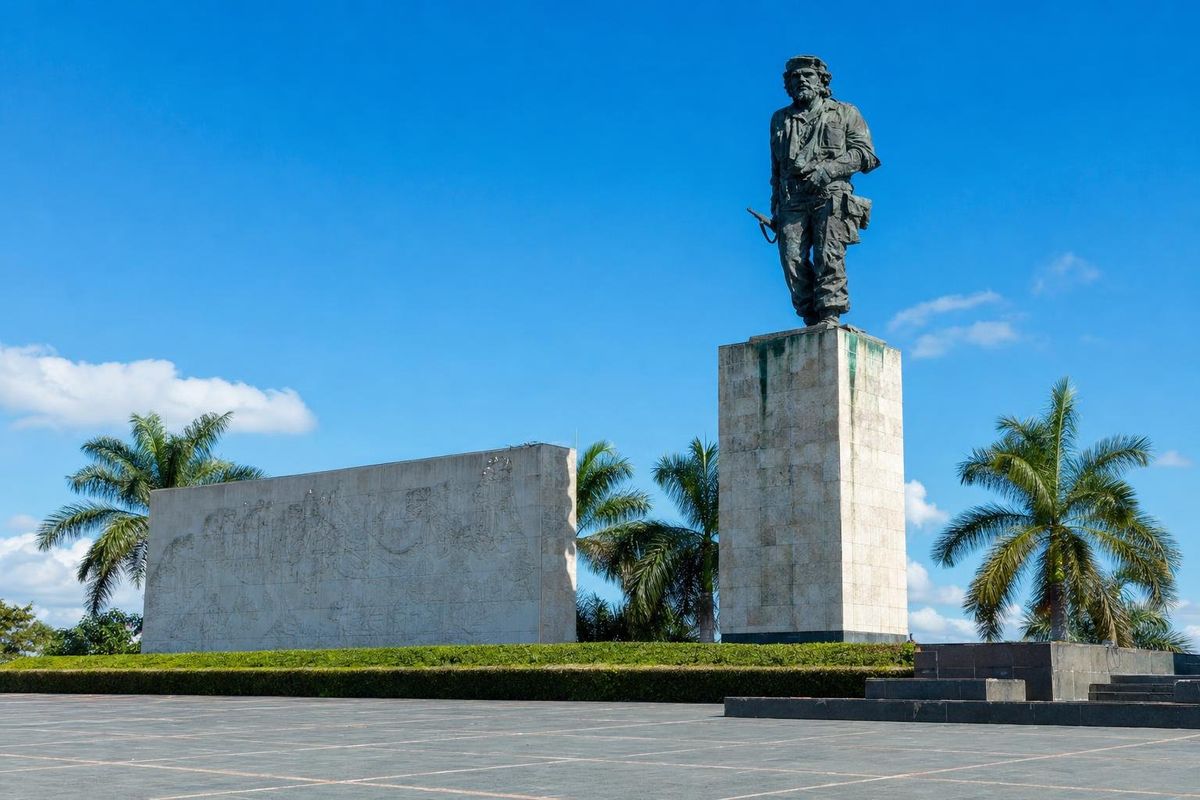
Santa Clara, a university city in the middle of the island, is where Che Guevara's column won the battle that toppled Batista at the end of 1958. The Che Guevara mausoleum, with its giant bronze statue and the remains brought back from Bolivia in 1997, lies on the western side of town. Closer to the centre, a monument preserves wagons of the armoured train his fighters derailed. In the evening Parque Vidal, the main square, fills with families and students, and the city has a reputation for live music and a lively cultural scene.
Day 3: the sugar valley and Trinidad
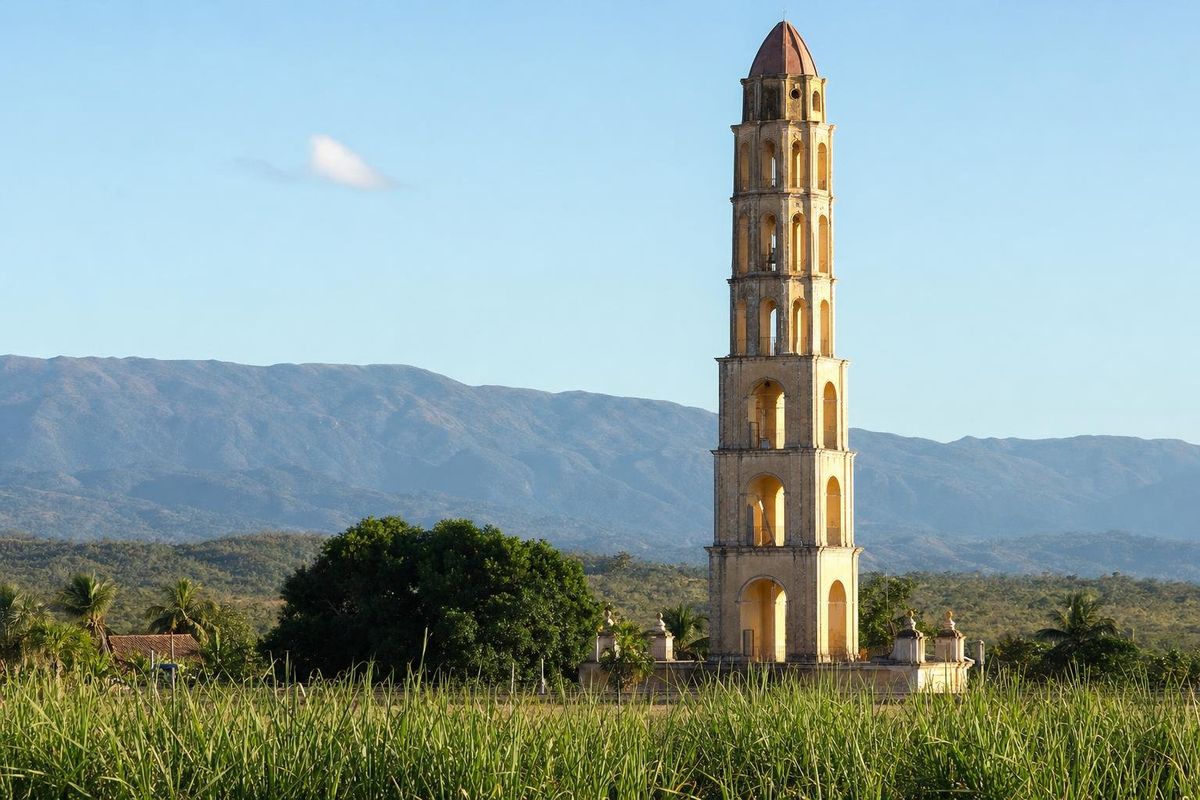
Head south through Manicaragua toward the Escambray mountains, a winding but scenic road, or take the longer, easier route via Sancti Spíritus. Either way, the last stretch runs through the Valle de los Ingenios, the Valley of the Sugar Mills, where dozens of plantations once operated with enslaved labour. Stop at Manaca Iznaga, where a planter family's watchtower rises about 45 metres above the cane fields, and at the lookout over the valley shortly before Trinidad.
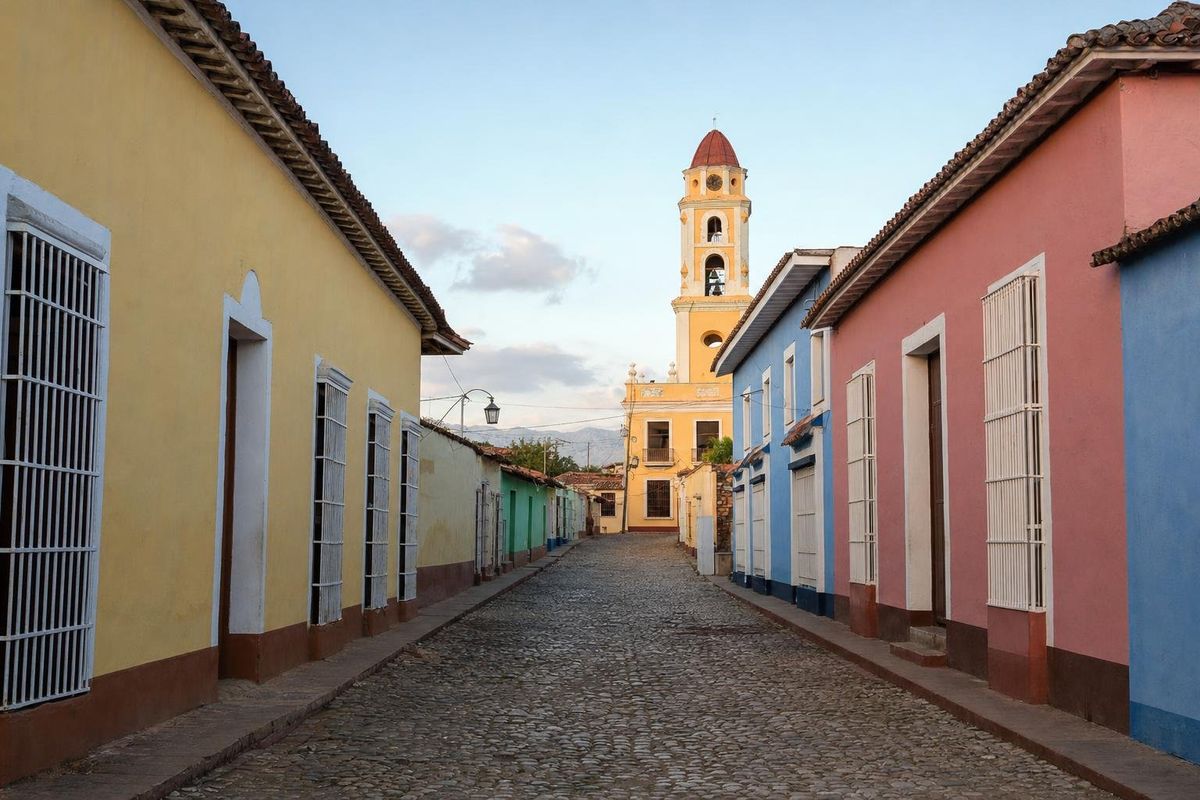
Trinidad, founded in 1514, became one of the richest towns in Cuba on the back of that sugar trade. When the boom ended in the late 19th century, the town was left almost untouched, and its cobbled streets and pastel houses are now a World Heritage Site together with the valley. Arrive in time for an evening walk around the Plaza Mayor.
Day 4: Trinidad and Playa Ancón
Mornings are best for the town, before the heat. The former convent of San Francisco has a bell tower that can usually be climbed for a view over the roofs to the mountains and the sea, and several mansions around the Plaza Mayor are now museums of colonial furniture and history. In the afternoon, drive about 12 km to Playa Ancón, a long beach on a narrow peninsula with calm water. Snorkelling and diving trips go out to the reef offshore; ask locally about conditions.
Day 5: Cienfuegos and back to Havana
Cienfuegos is younger than the other towns on this route. It was founded in 1819 by settlers from Bordeaux and Louisiana, and its grid of wide streets and neoclassical buildings feels distinctly French. The centre around Parque José Martí, with the cathedral and the Tomás Terry Theatre, is a World Heritage Site. Walk down the Paseo del Prado to the waterfront and on to Punta Gorda, a peninsula of early 20th-century villas, where the Palacio de Valle mixes Moorish, Gothic and Venetian details in one building. The drive back to Havana takes around four hours; leave by early afternoon to arrive before dark.
Practical notes for the road
Book rooms in casas particulares, private homes licensed to take guests, which are often better value and more personal than state hotels and whose hosts can arrange drivers and meals. Hurricane season runs from June to November, with the highest risk in August to October; November to April is drier and cooler. Mosquito repellent is useful on the coast. Prices, fuel availability and opening hours change quickly in Cuba, so confirm them locally. More routes appear under trips, and for a Mexican parallel to the sugar estates, the henequen hacienda of Ochil in Yucatán tells a similar story of an export crop and its workers.
Beyond Punta Gorda the bay narrows into the channel to the open sea, guarded on its far side by the 18th-century Spanish fortress known as the Castillo de Jagua.
Questions about the road trip from Havana
Can this trip be done by bus?
Yes, but it takes longer. Long-distance buses link Havana, Varadero, Santa Clara, Trinidad and Cienfuegos, though not always daily, and the valley stop needs a taxi from Trinidad. Allow at least a week.
Is it safe to drive in Cuba?
Generally yes in daylight, but roads have potholes, animals and slow traffic, signage is poor and fuel can be scarce. Hiring a car with a driver avoids most of these problems.
Is five days enough?
It is a fast but manageable loop. Adding a second night in Trinidad, the highlight for most people, makes it more relaxed.
Can the route be reversed?
Yes. Going via Cienfuegos first and finishing at Varadero ends the trip on the beach, which some travellers prefer.
What currency is used in Cuba now?
The Cuban peso. The convertible peso was abolished in 2021, and many private businesses also accept foreign currency. Check the latest situation before travelling.
Nearby on the map
AI-generated image Haciendas · Cuba
Manaca Iznaga
AI-generated image Museums · Cuba
Che Guevara Mausoleum
AI-generated image Islands · Quintana Roo
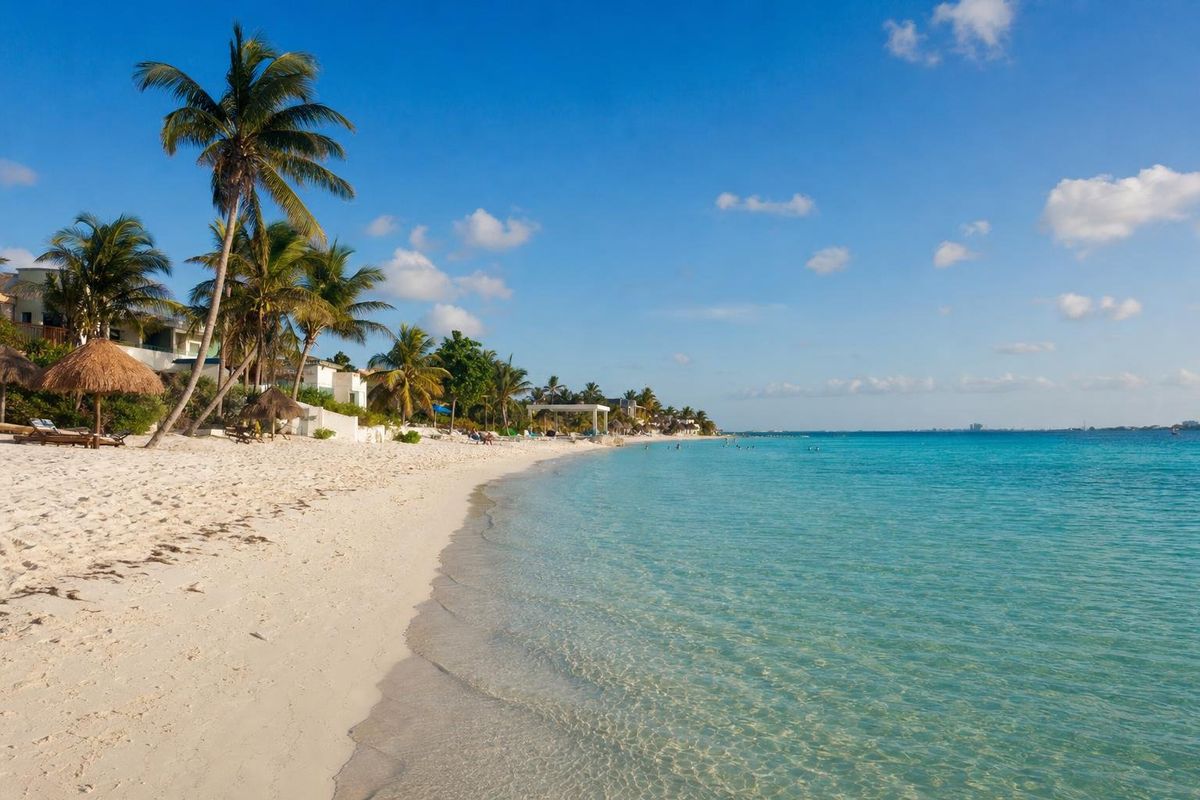
Isla Mujeres
AI-generated image Beaches · Quintana Roo
Playa Chac Mool