
0 m · Beaches
Yucatán Beaches: the Caribbean Coast, the Gulf Coast and the Reef
The peninsula has two shorelines that share almost nothing but the limestone underneath. The Caribbean has the reef and the white sand; the Gulf has shallow water, mangroves and quiet fishing towns.
Every guide in Beaches
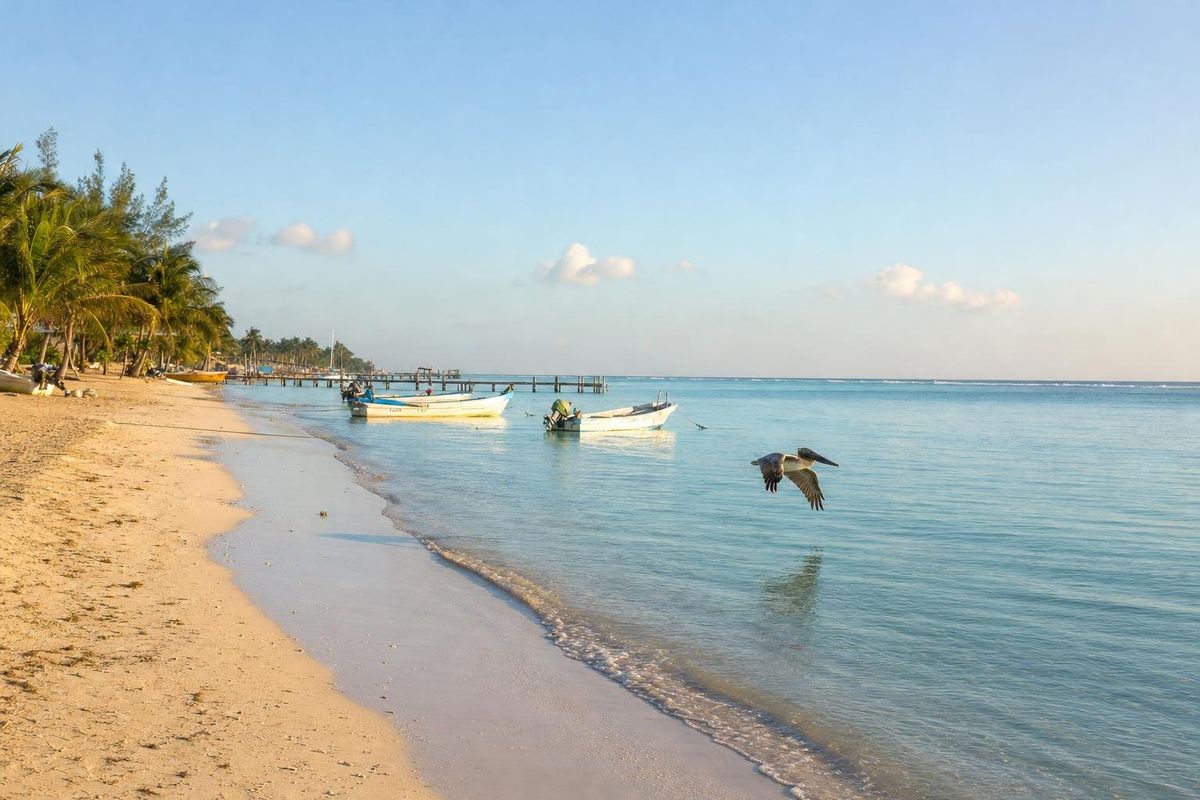
AI-generated image Beaches · Quintana Roo
Bahía Petempich
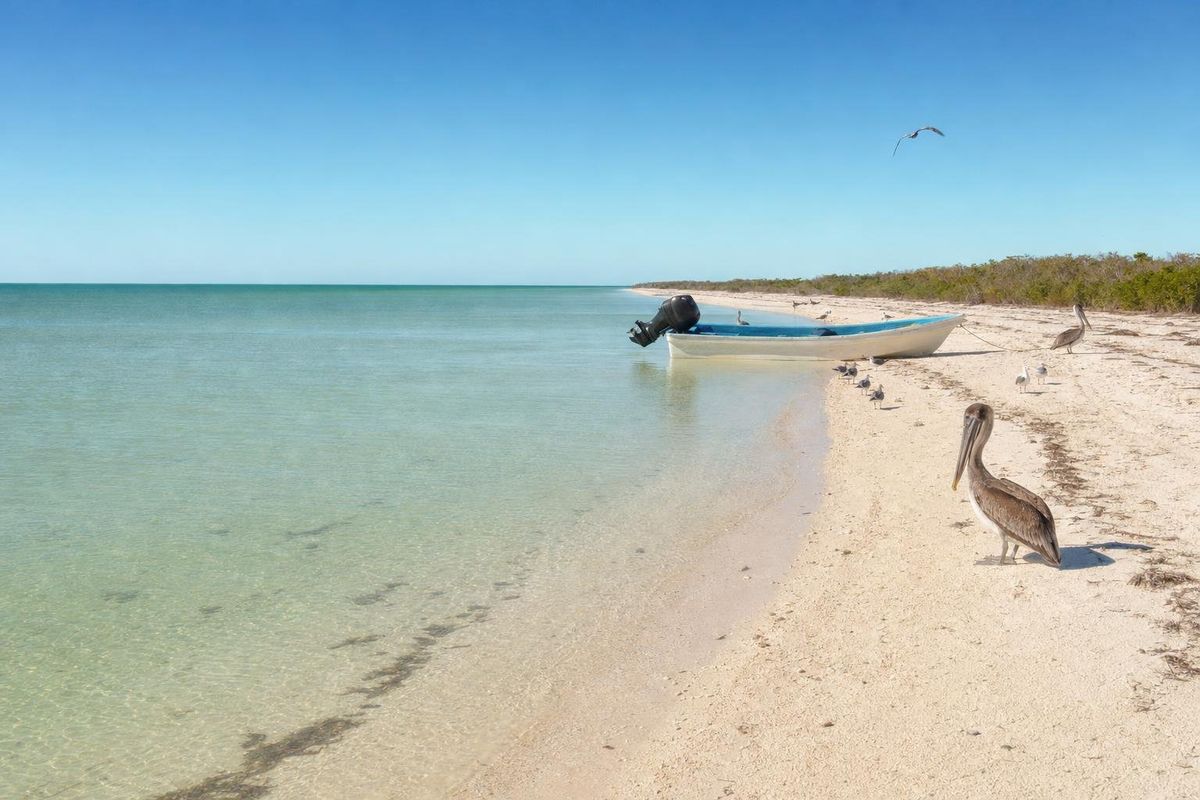
AI-generated image Beaches · Yucatán
Cancunito
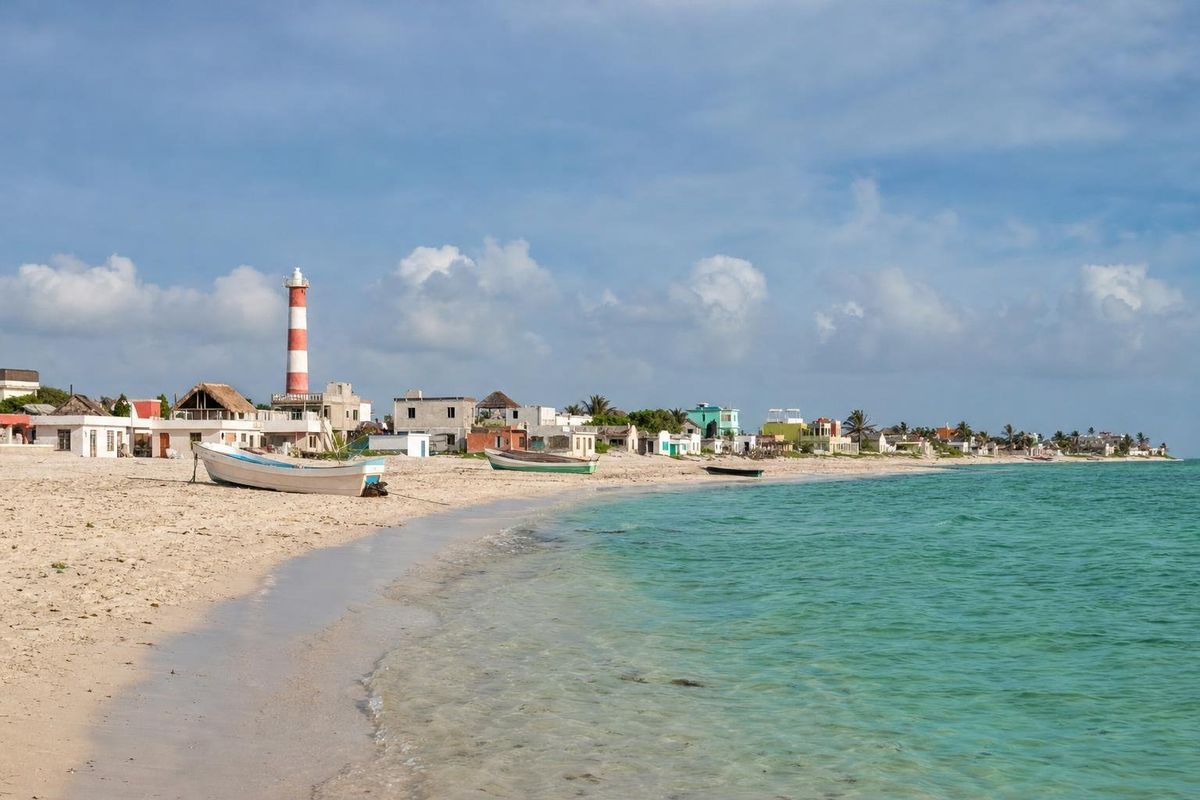
AI-generated image Beaches · Yucatán
El Cuyo
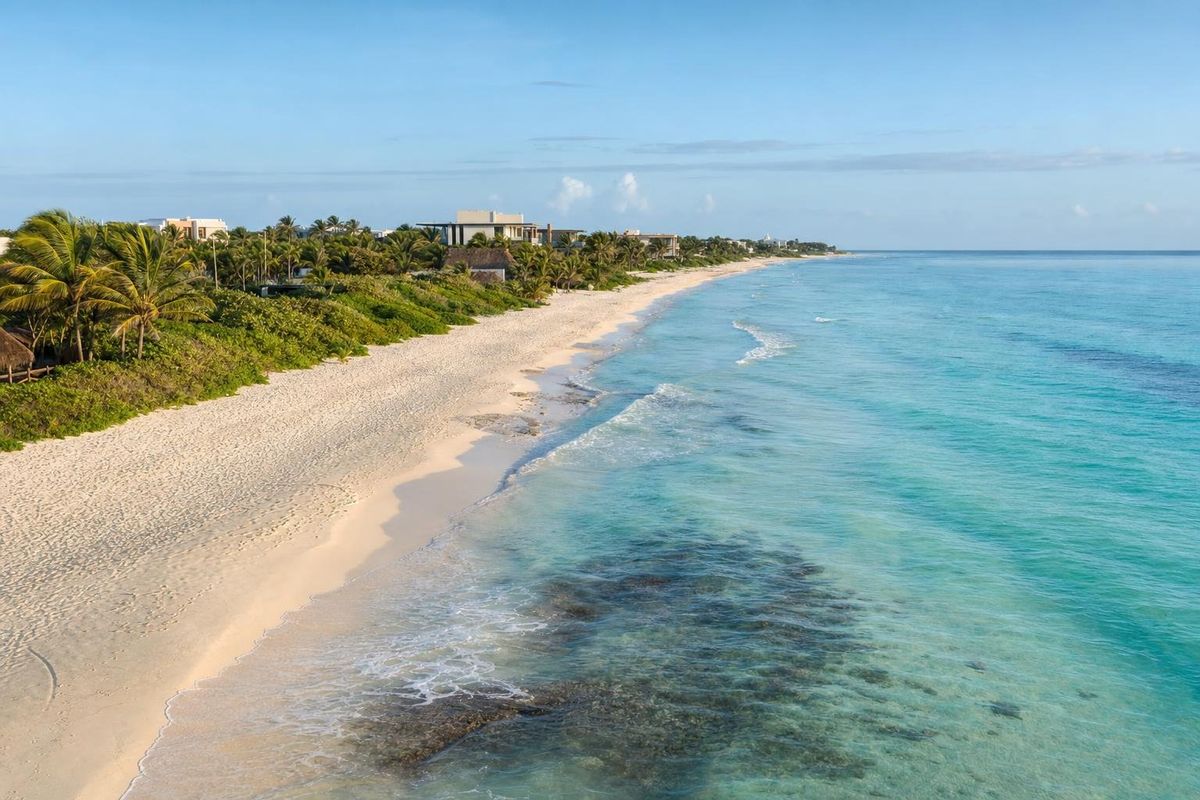
AI-generated image Beaches · Quintana Roo
Grand Coral
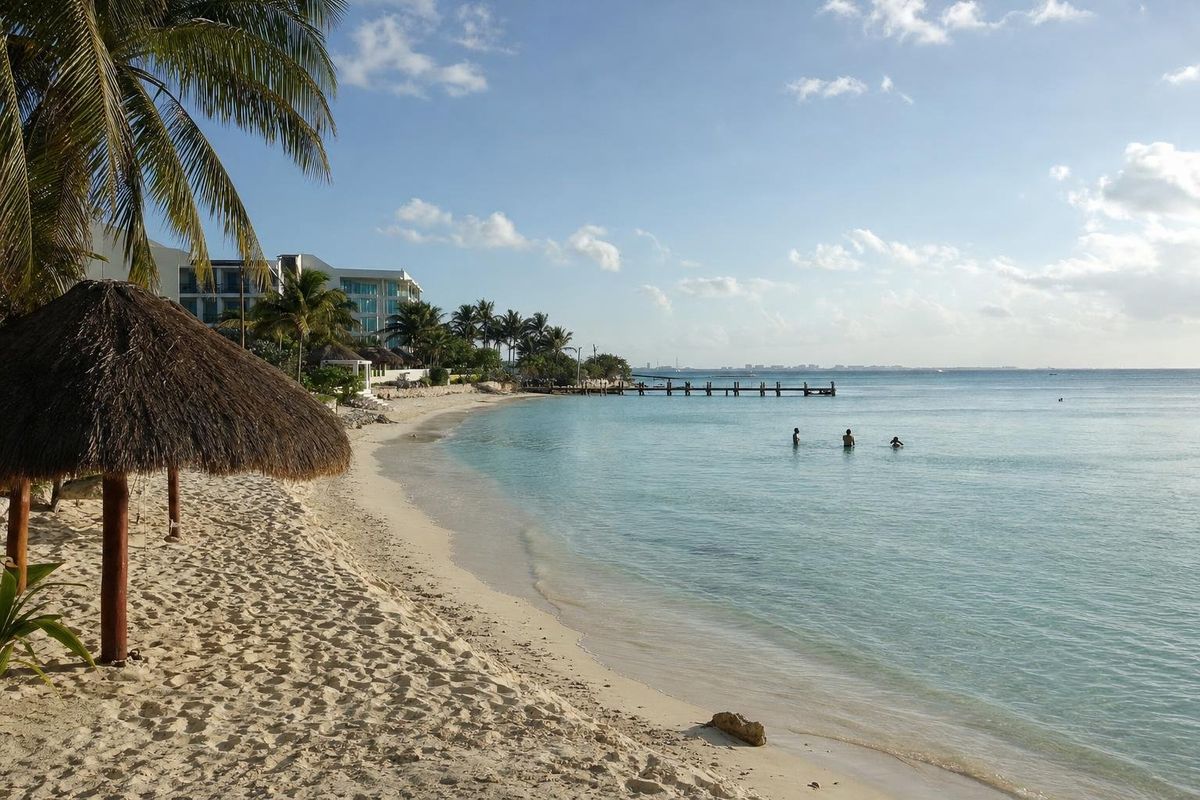
AI-generated image Beaches · Quintana Roo
Las Perlas
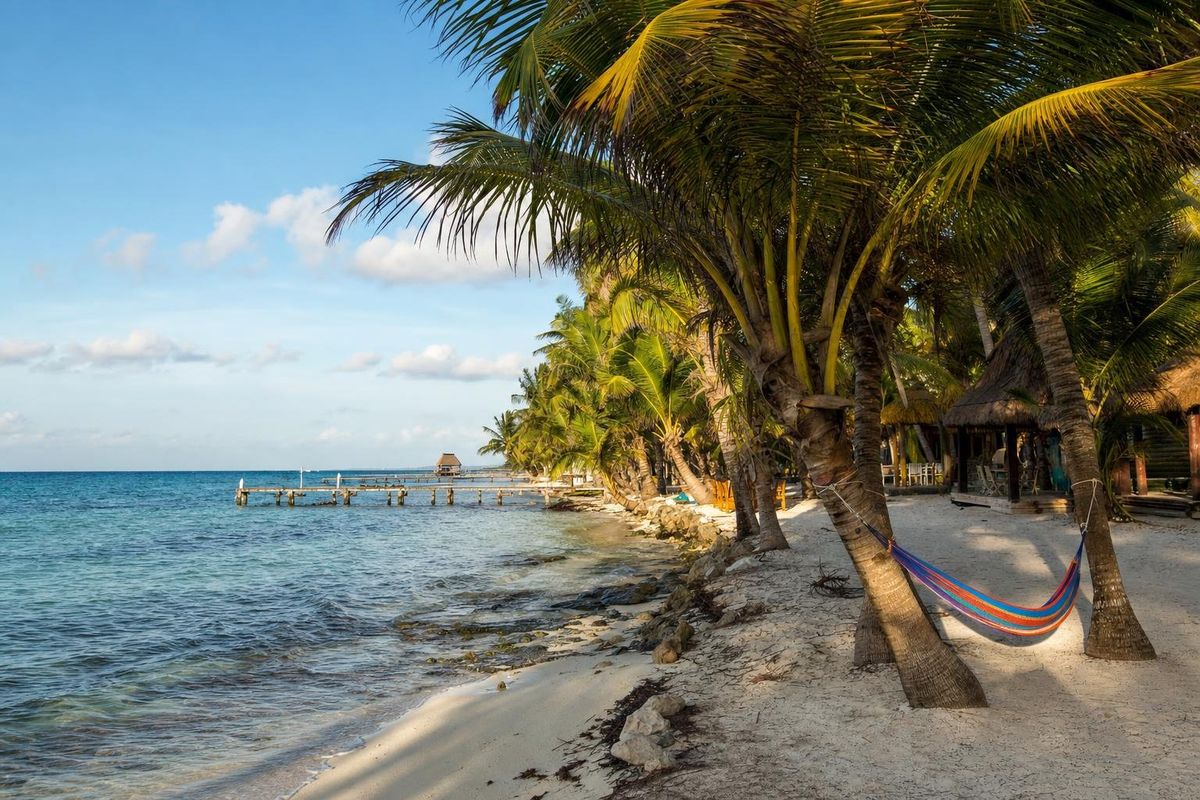
AI-generated image Beaches · Quintana Roo
Mahahual
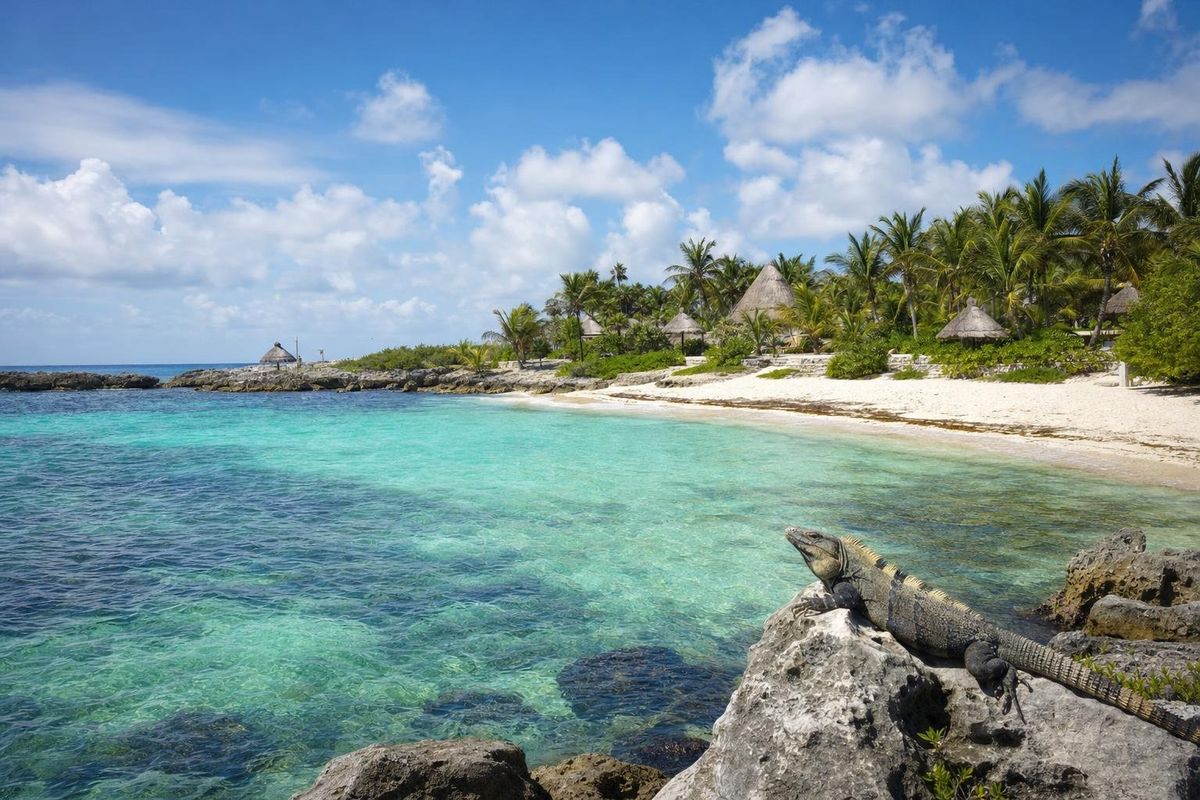
AI-generated image Beaches · Quintana Roo
Paamul
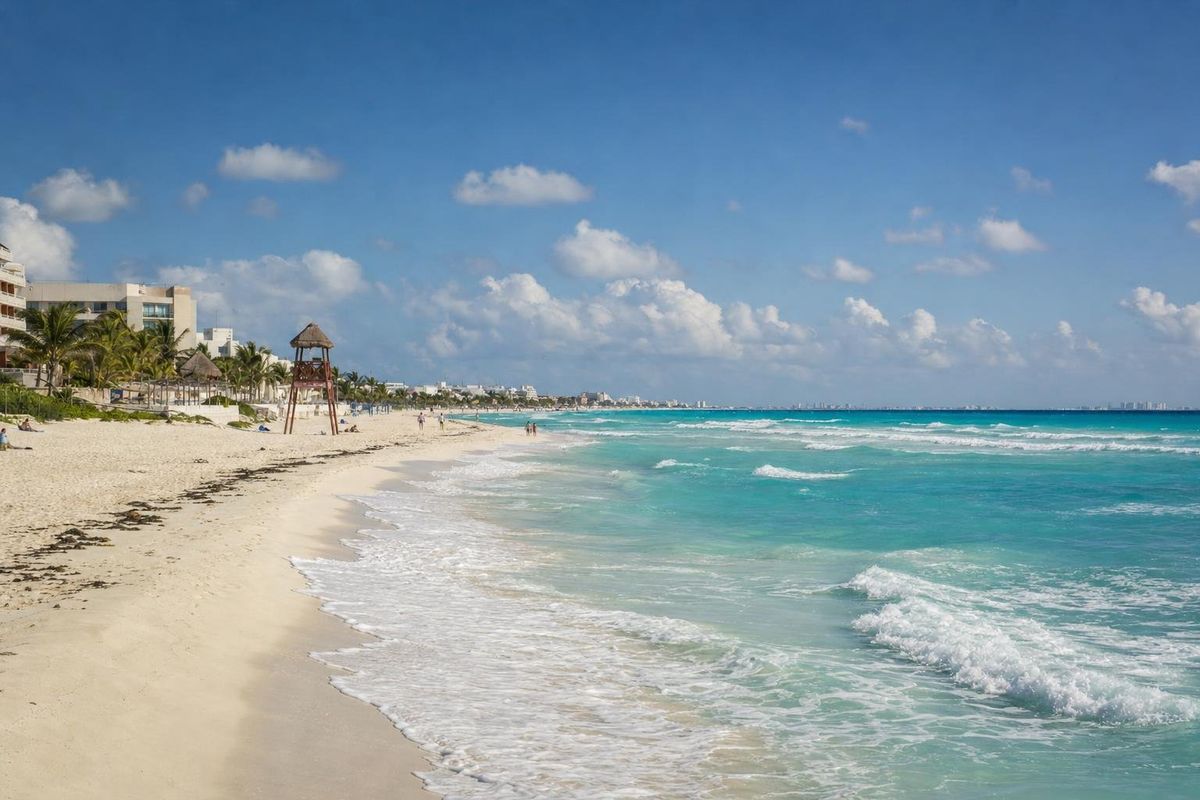
AI-generated image Beaches · Quintana Roo
Playa Ballenas
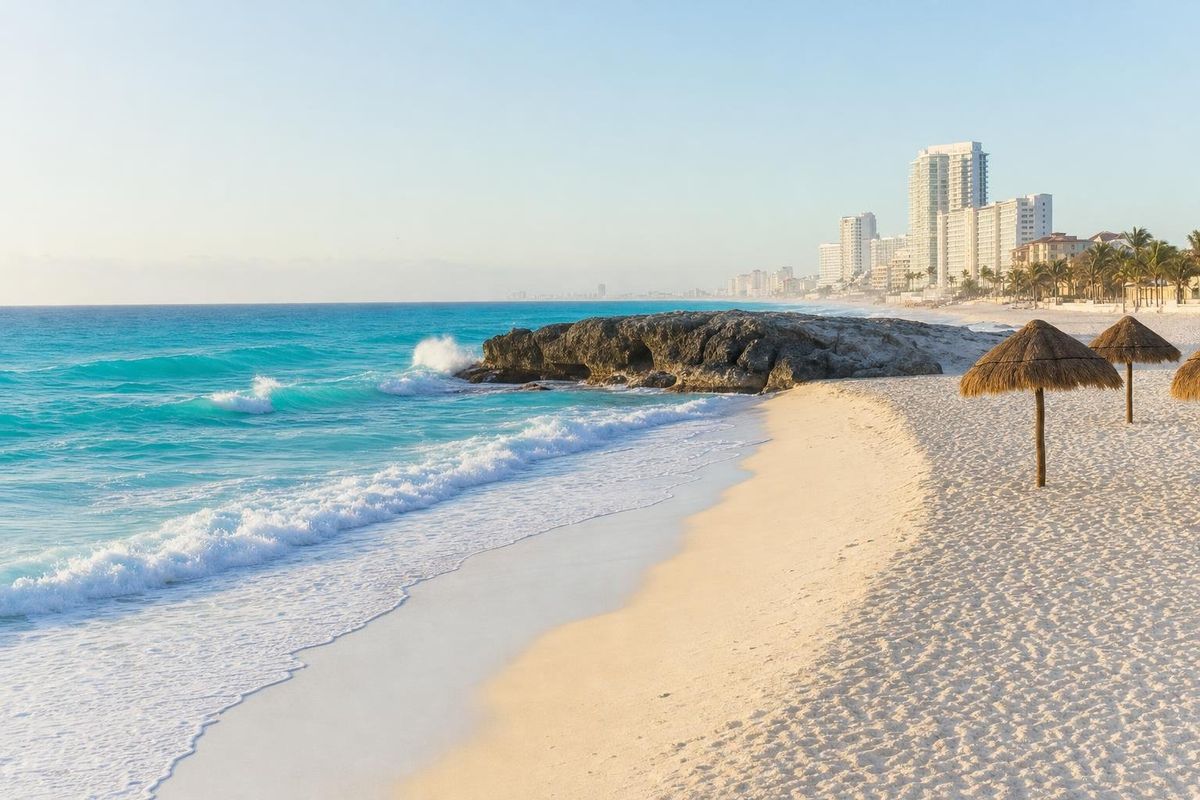
AI-generated image Beaches · Quintana Roo
Playa Chac Mool
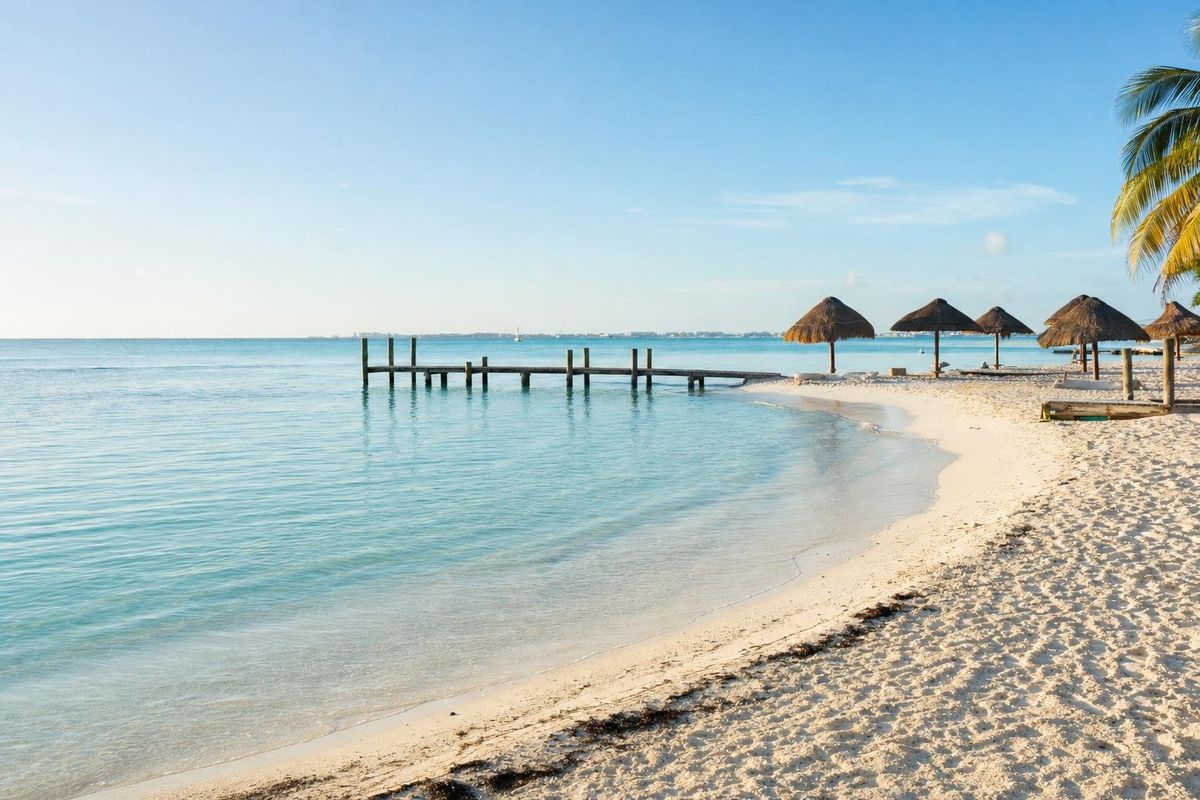
AI-generated image Beaches · Quintana Roo
Playa Langosta
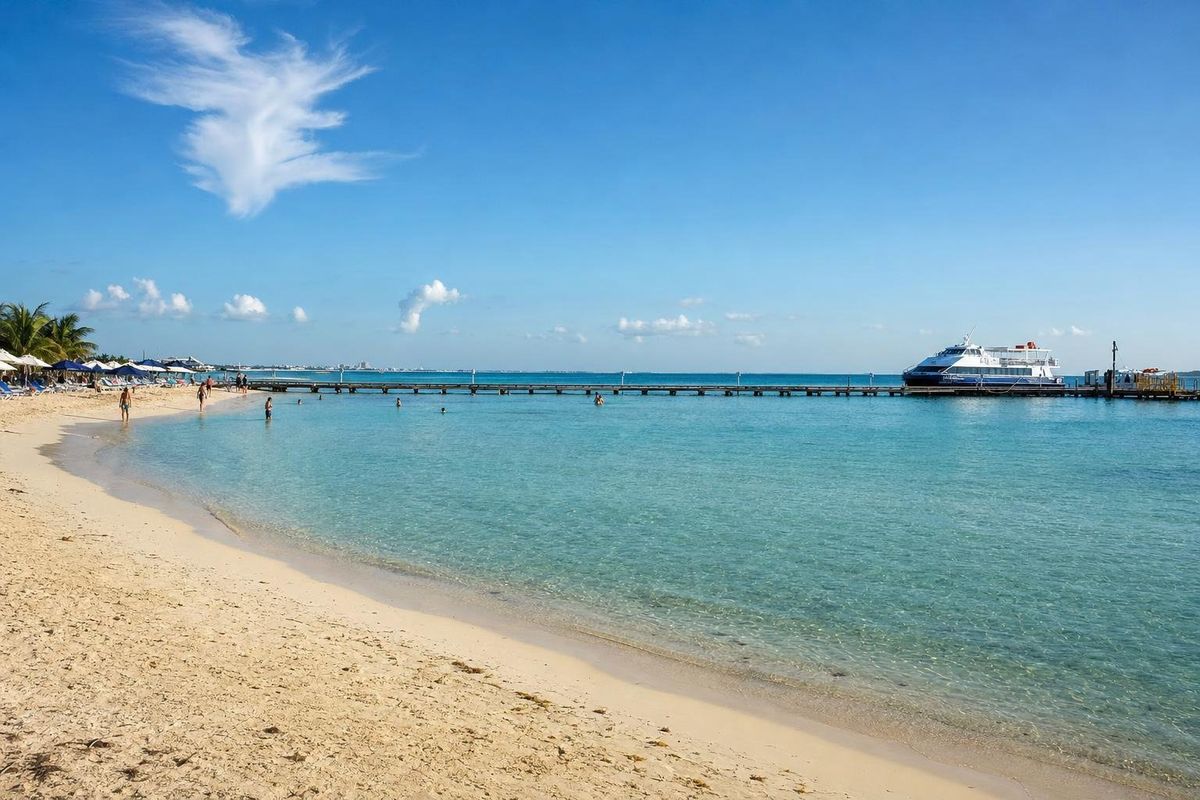
AI-generated image Beaches · Quintana Roo
Playa Tortugas
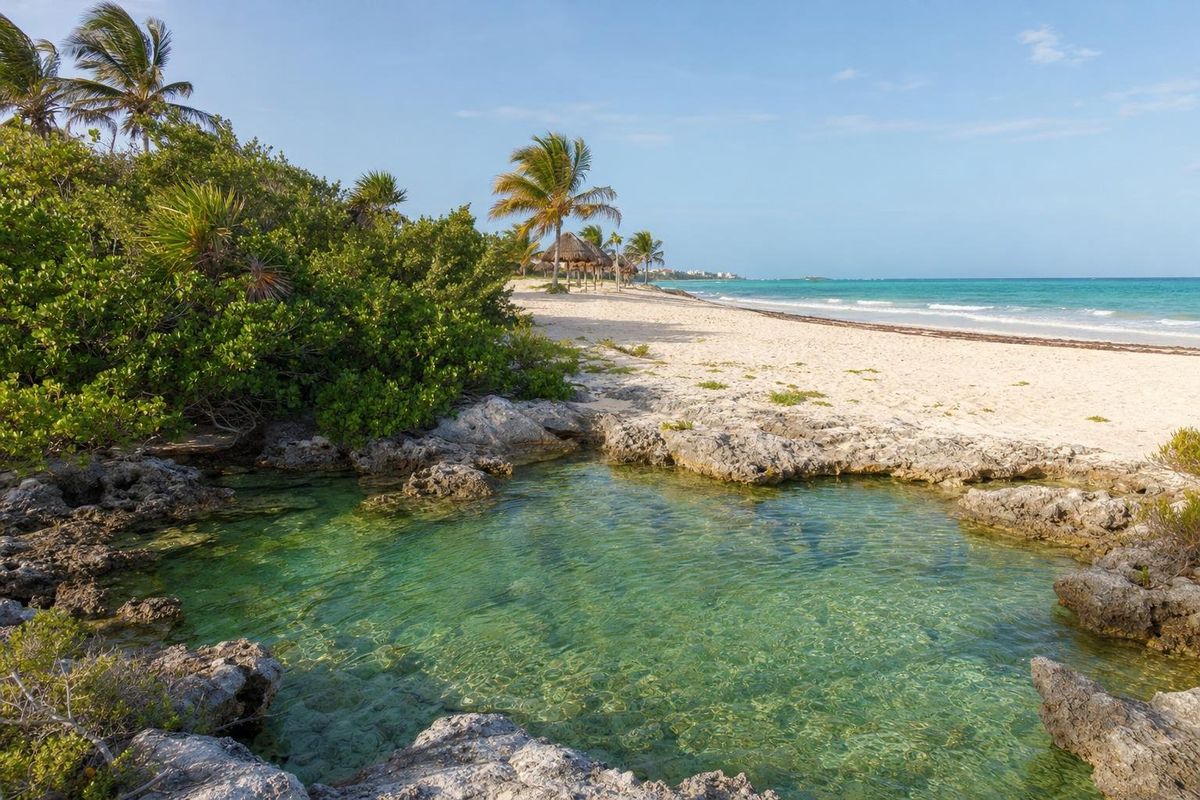
AI-generated image Beaches · Quintana Roo
Punta Esmeralda
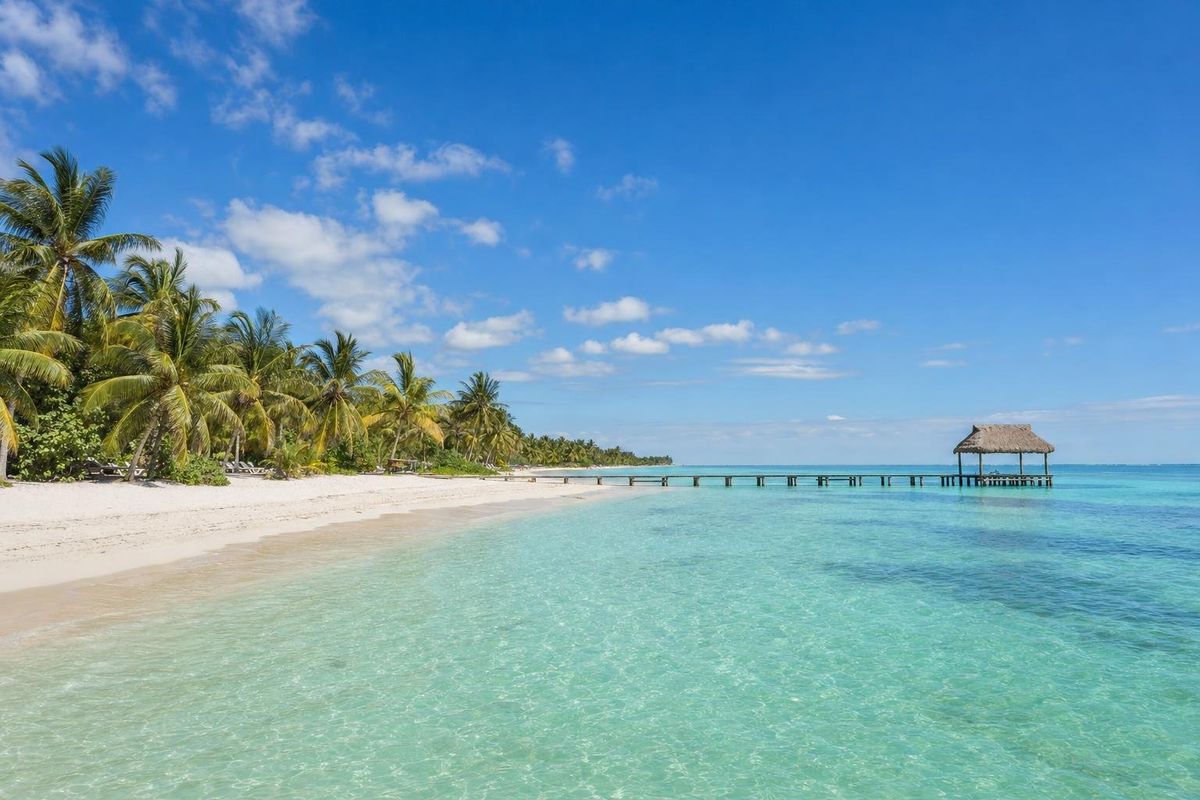
AI-generated image Beaches · Quintana Roo
Punta Maroma
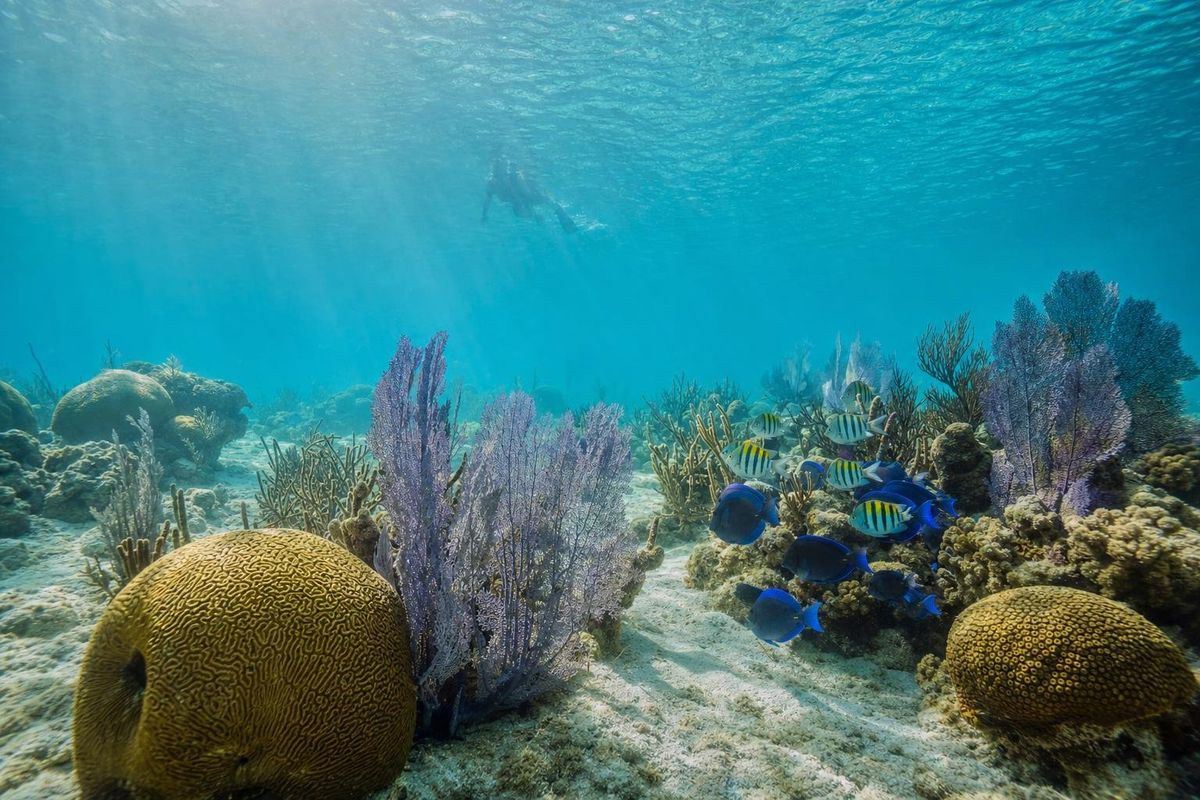
AI-generated image Beaches · Quintana Roo
Punta Nizuc
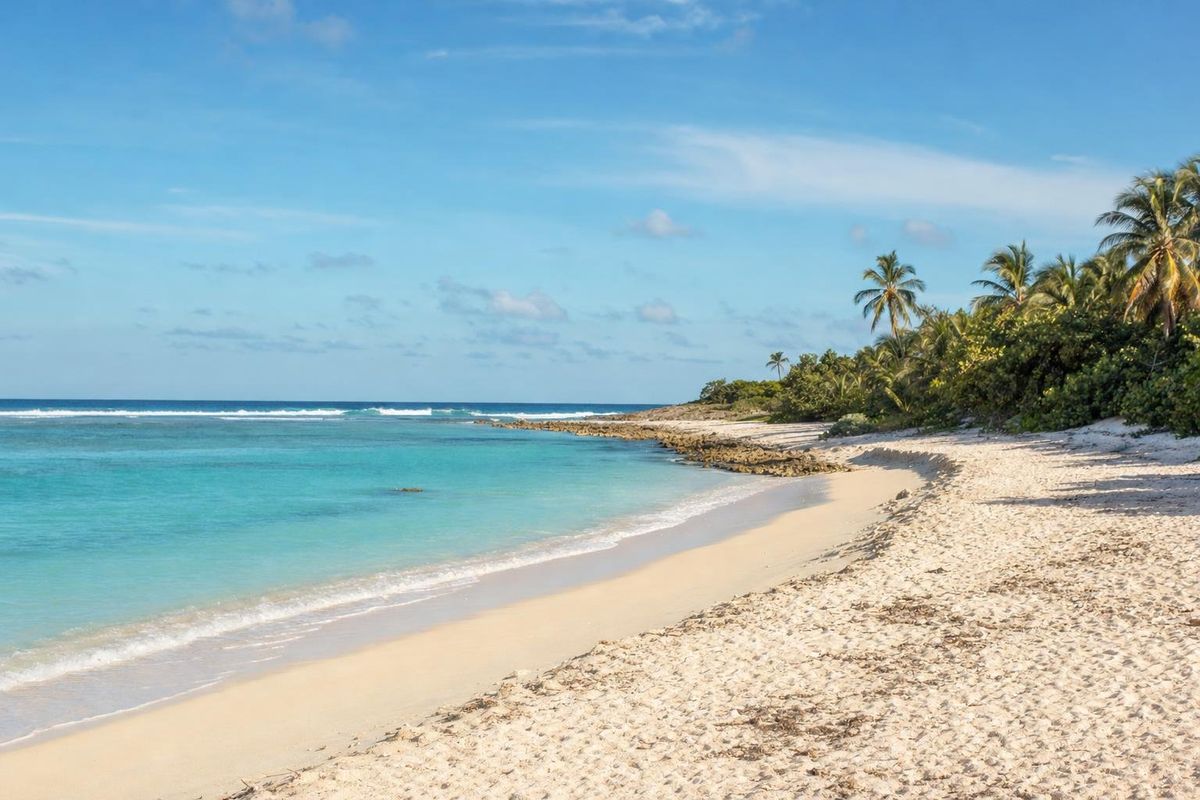
AI-generated image Beaches · Quintana Roo
Punta Venado
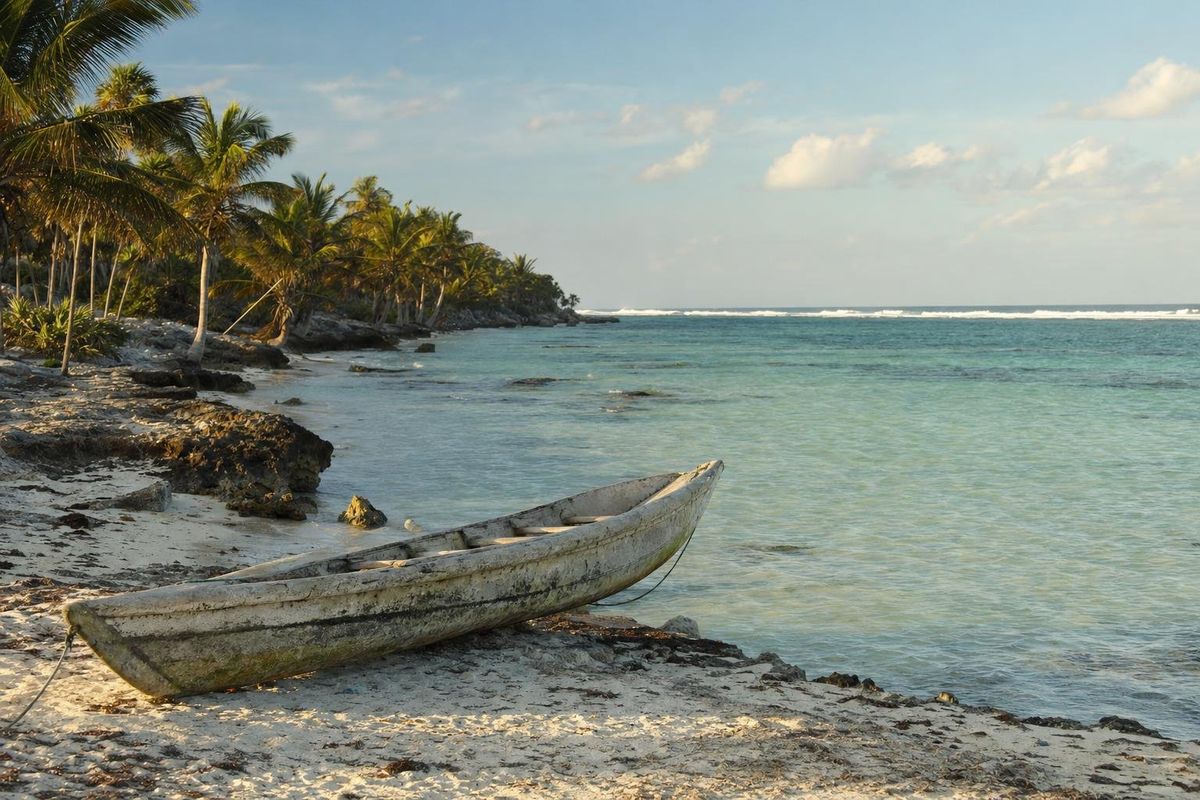
AI-generated image Beaches · Quintana Roo
Soliman Bay
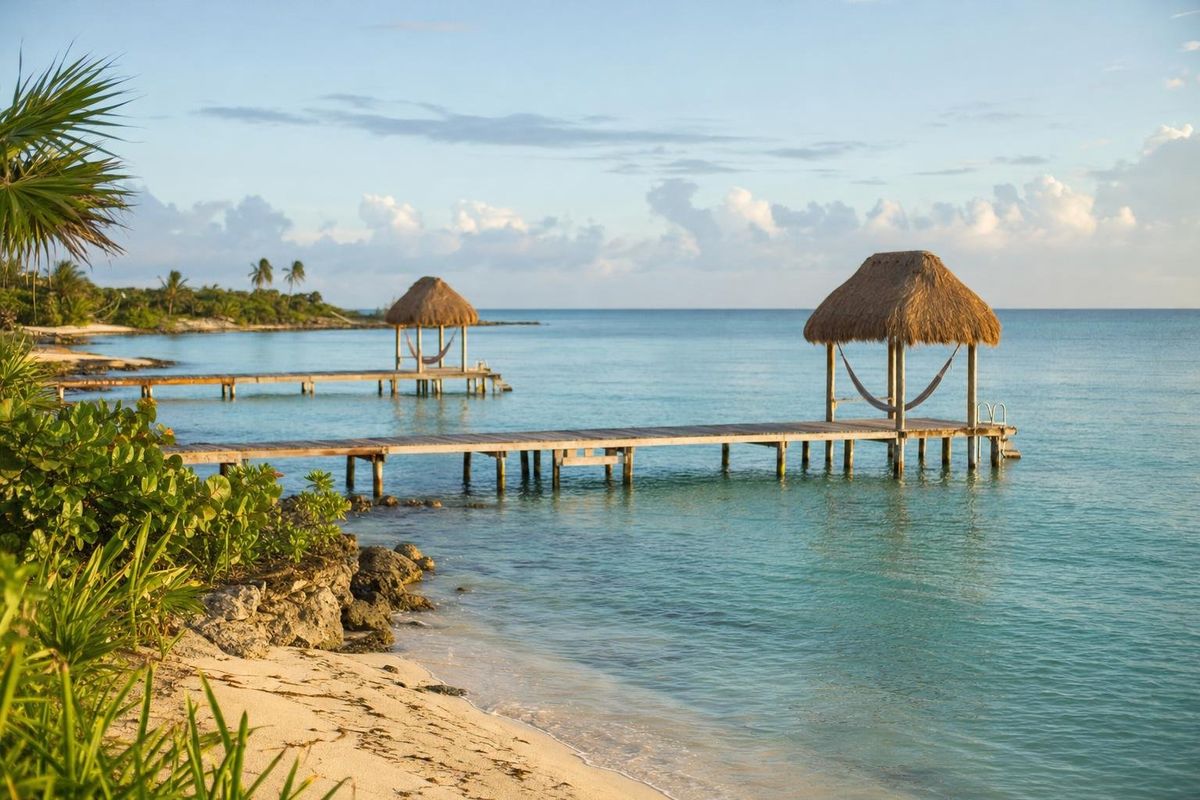
AI-generated image Beaches · Quintana Roo
Tankah Bay
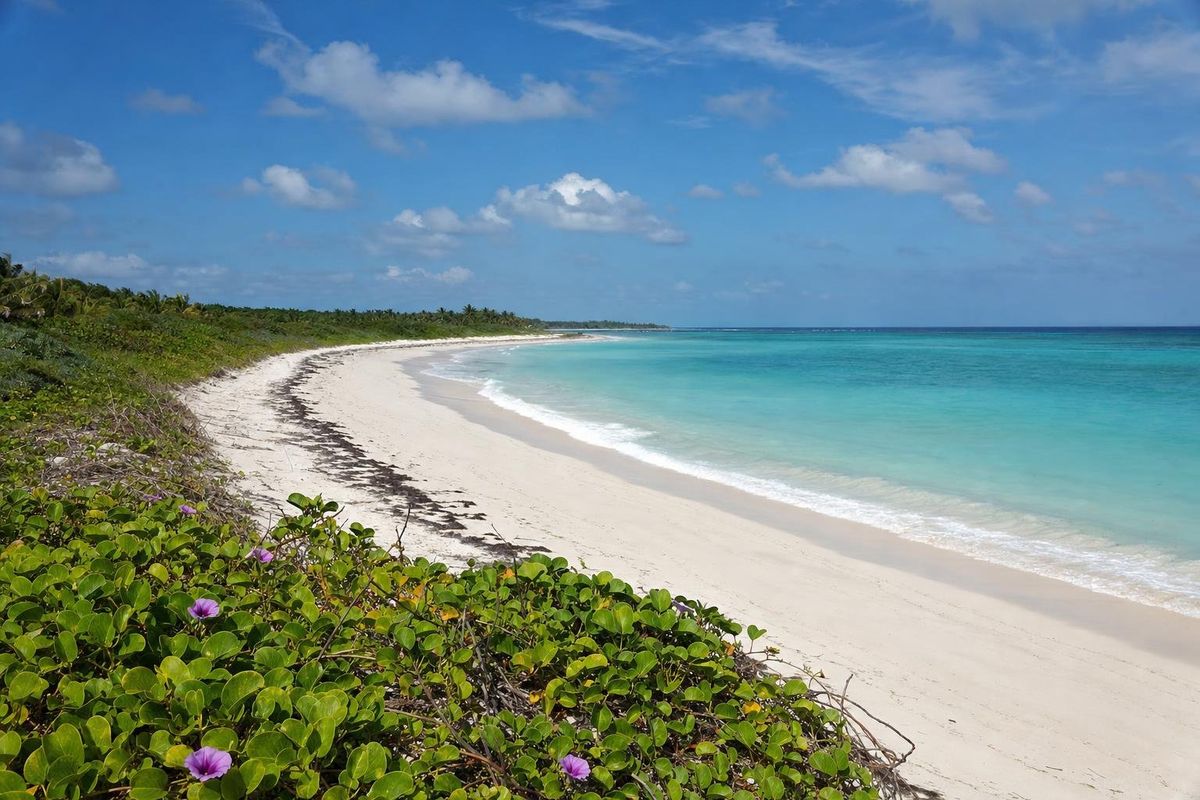
AI-generated image Beaches · Quintana Roo
Xcacel
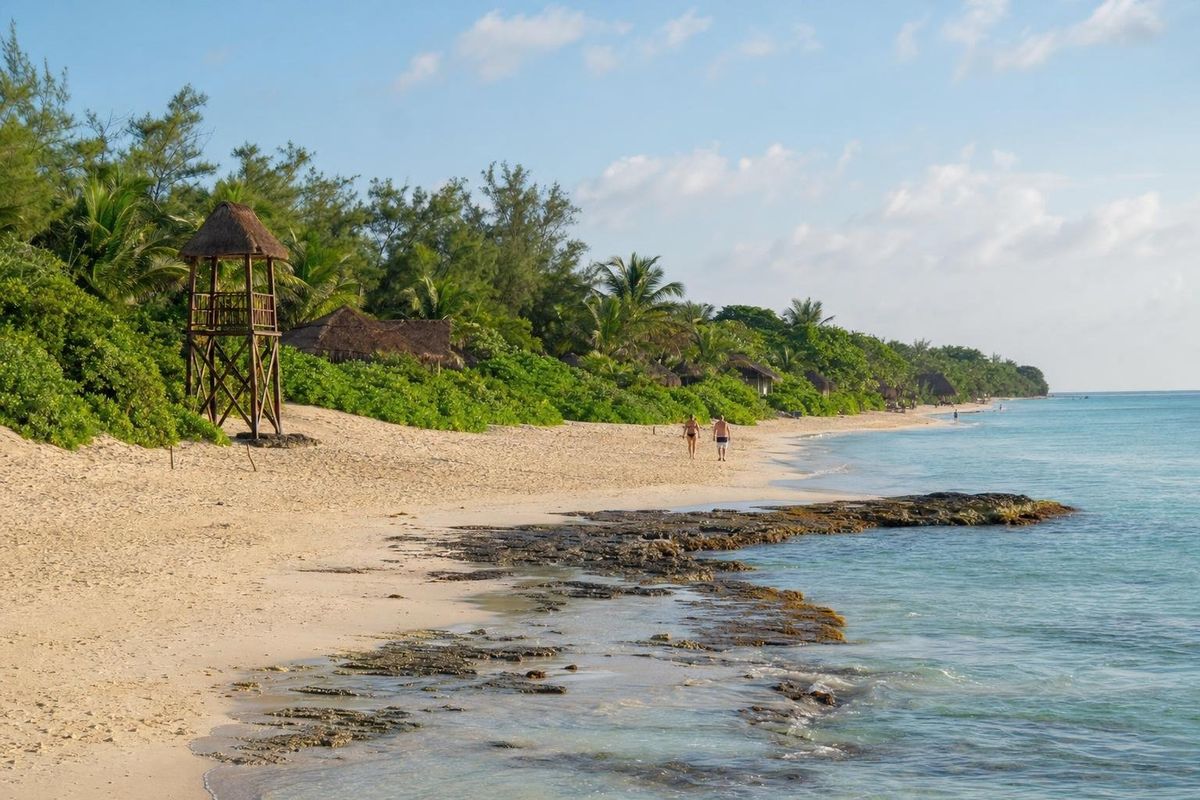
AI-generated image Beaches · Quintana Roo
Xcalacoco
The Caribbean side: sand made of reef
From Cancún south to the border with Belize, the coast of Quintana Roo faces open Caribbean water. The sand is pale and cool underfoot because it is mostly ground-up coral and shell rather than quartz. Offshore runs the Mesoamerican Barrier Reef, the largest reef system in the Western Hemisphere, which breaks the swell and leaves calm lagoons between the reef crest and the beach in many places.
The coast changes character as it goes south. Cancún's hotel zone has long, open beaches such as Playa Tortugas, with public access points squeezed between the towers. Between Playa del Carmen and Tulum the shore breaks into small bays and coves, several of them protected for sea turtles: Akumal is known for green turtles grazing on seagrass, and Xcacel is a state reserve where the beach stays undeveloped for nesting. South of the Sian Ka'an reserve the Costa Maya begins, a long, thinly settled stretch around Mahahual and Xcalak.
The Gulf side: shallow, green and local
The north and west coasts face the Gulf of Mexico, and the sea there is shallow for a long way out, often greener and warmer than the Caribbean. There is no barrier reef, so swimming is calm and the water rarely gets clear enough for good snorkelling. Behind the dunes lie mangrove estuaries, salt flats and lagoons that draw flamingos, herons and pelicans.
The towns are small and built for Mexican holidaymakers more than for foreign visitors: Progreso, the port for Mérida; Celestún on the edge of its biosphere reserve; and El Cuyo in the east, a fishing village on a sandbar with a steady afternoon wind that suits kitesurfing. The beaches here are wide and empty for much of the year and fill up only in Easter week and the summer school holidays.
Sargassum, turtles and the seasons
Since about 2011, large mats of sargassum seaweed have drifted onto the Caribbean coast in some years, piling up and rotting on the sand. Arrivals vary a great deal: heavy in some months and almost absent in others, generally worst from late spring through summer. Local authorities and several monitoring groups publish regular reports, and it is worth checking them in the days before a beach trip. The Gulf coast is far less affected.
Sea turtles nest on Quintana Roo beaches from roughly May to October. Nesting sites are often marked and fenced, and beachfront lights are supposed to be shielded during the season. Hurricane season overlaps with the summer months too, officially from June to the end of November.
Access and conduct
Under Mexican law the beach itself is federal land and open to the public, but reaching it can be another matter where hotels and private estates control the road. Public access points exist along most of the coast; some beaches inside reserves or parks charge entry or limit numbers. Coral reefs here are protected, and touching or standing on coral is prohibited. In turtle areas such as Akumal, guided swims and life jackets are often required, and the rules change, so confirm them on arrival.
More beaches on both coasts
On the Caribbean side, Playa Caracol sits at Punta Cancún where the hotel zone turns south, Playa Coral and the Mirador beaches lie along the open-sea side of the hotel zone, and Playa Linda in Cancún's hotel zone is a small bay beach next to the ferry docks, and the stretch of sand south of Playa del Carmen is lined with the coves covered elsewhere in this section. On the Gulf coast, Sisal is a former henequén port west of Mérida with a long, quiet beach and an old pier, while Telchac and San Felipe, farther east, are fishing villages where the beach is used more by local families than by visitors.
The Gulf beaches are shallow, greener in color and calmer than the Caribbean, and they are rarely crowded outside Easter week and the July and August school holidays.
Questions about Yucatán beaches
Which coast has the clearer water?
The Caribbean coast of Quintana Roo, by a wide margin. The Gulf coast is shallower and greener, with calmer water that suits families but rarely gives good visibility.
When is sargassum season?
It varies by year. Heavy arrivals have tended to come between late spring and late summer, and some winters are almost free of it. Check current monitoring reports before planning a beach day.
Are all beaches in Mexico public?
The beach and the federal zone along it are public by law. Access across private land is not guaranteed, though most stretches have marked public entrances.
Where can you snorkel from the shore?
Places where the reef or seagrass beds sit close in, such as Akumal, parts of Puerto Morelos and Mahahual on the Costa Maya. Conditions depend on wind and swell.
Is sunscreen restricted?
Many reserves, parks and cenotes ask visitors to use biodegradable sunscreen or none at all, and some enforce it. A rash guard is the simplest way around the rule.