
−5 m · Shallows · Beaches · Quintana Roo
Playa Ballenas, Cancun: A Wide Caribbean Beach Between the Resorts
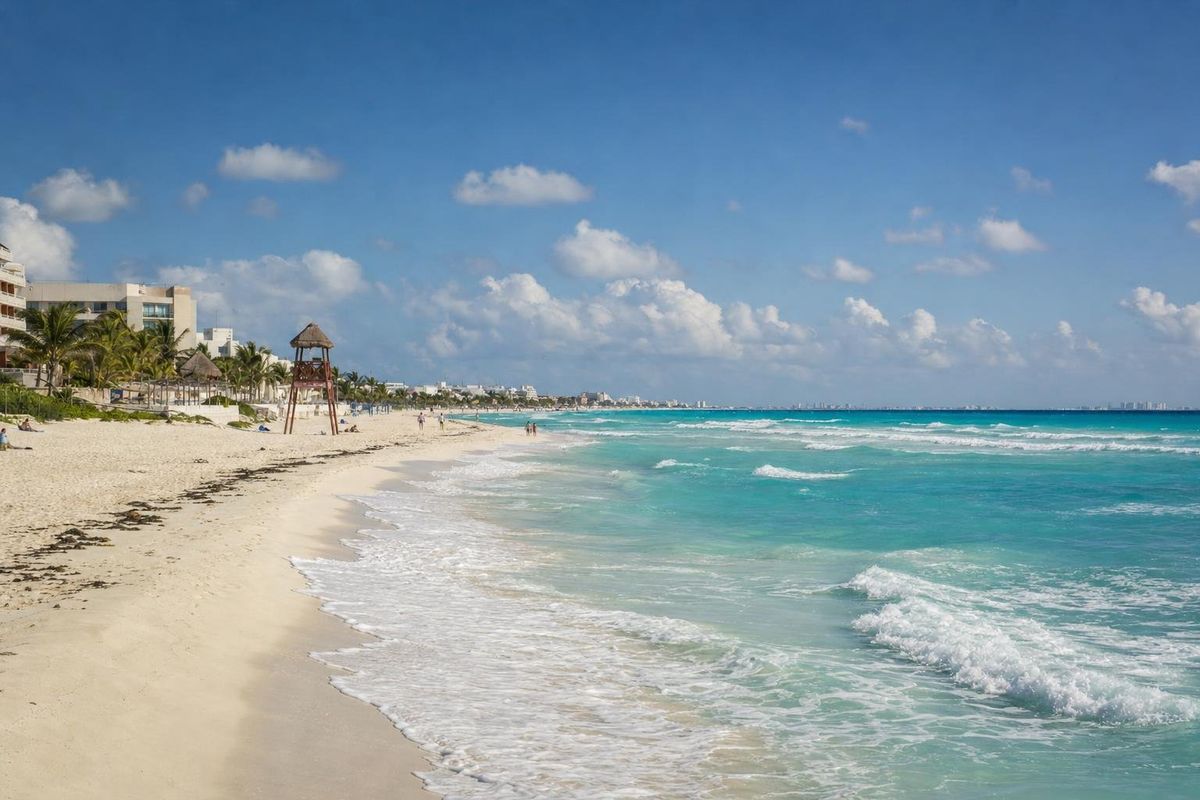
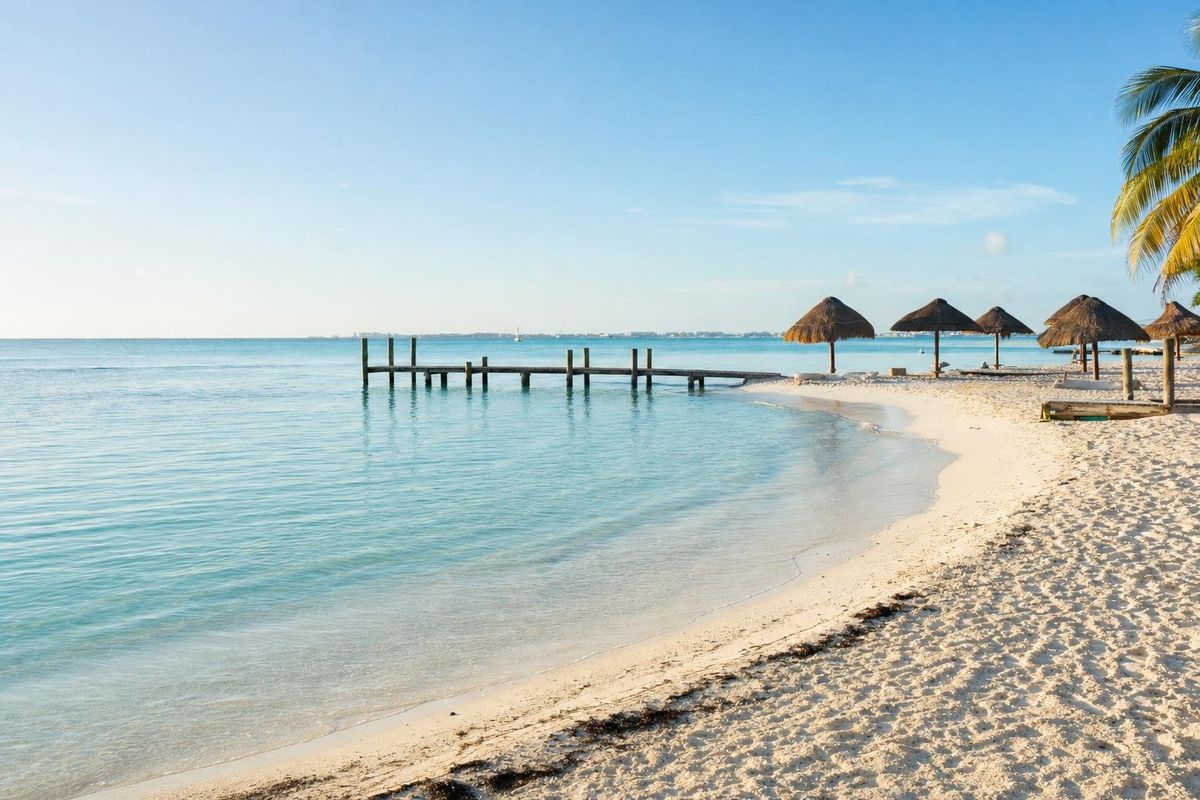
Playa Ballenas is a public beach on the Caribbean side of Cancun's hotel zone, at about km 14.5 of Boulevard Kukulcán. The sand is wide and white, the water is the open sea with waves to match, and because it sits between large resorts it sees far fewer local day-trippers than the bay beaches. It suits sunbathers and walkers better than swimmers.
A beach for walking and watching the sea
The southern arm of the hotel zone faces east into the Caribbean, and Playa Ballenas lies along its middle stretch. Here the shore runs in one long curve, so a walk in either direction can go on for a kilometre or more without a break, past resort after resort. All Mexican beaches are federal property and open to everyone up to the high-water line, which is what makes such a walk possible.
The public access point itself is fairly narrow, squeezed between two hotel properties, but once on the sand the beach widens out. Expect resort music drifting over from the pools on either side. The public section has had lifeguard cover and basic facilities in recent years, and the beach has held Blue Flag certification, an international label for water quality, safety and environmental management, in some seasons.
The name means "whales". No whales are visible from here. The name is probably best read as one of several sea-creature names along the hotel zone, alongside the beaches named for dolphins (Delfines), turtles (Tortugas) and lobsters (Langosta).
Early in the morning, before the chairs go out, the beach belongs to the birds. Brown pelicans fly low in lines over the breakers and dive for fish, magnificent frigatebirds hang almost motionless high above, and small sandpipers run back and forth at the edge of each wave. Great-tailed grackles, the noisy black birds of every Yucatán town square, work the sand for crumbs once the first visitors arrive.
Swimming and the surf
This is the open Caribbean, and the difference from the bay side is obvious on most days. Waves break close to shore, the bottom shelves fairly quickly, and rip currents form along this coast. Check the flag before going in: green for calm, yellow for caution, red for dangerous conditions and black when swimming is closed. Red flags are common in winter, when cold fronts from the north stir up the sea, and on windy days at any time of year.
On calm mornings the water turns glassy and very clear, and a swim along the shoreline is a pleasure. For gentle, child-friendly water, the bay beaches such as Playa Tortugas are the better choice.
Whale sharks and the name
The closest real link to large marine animals lies offshore. Between roughly June and September, whale sharks gather to feed in the plankton-rich waters north of Isla Mujeres and off Holbox. Whale sharks are fish, not whales, and the largest fish in the sea; they feed by filtering plankton and fish eggs. Licensed boats run trips to swim with them from Cancun and the islands, under rules set by Mexico's protected-areas authority that limit boat numbers and how close swimmers may approach. Anyone joining such a trip should choose a licensed operator and follow the guide's instructions about distance and touching.
A beach that has been rebuilt
The sand at Playa Ballenas has not always been as wide as it is now. Cancun's ocean beaches sit on a narrow barrier between lagoon and sea, and storms move sand along and off the shore. Hurricane Wilma, which struck the city in October 2005, stripped much of the hotel zone's ocean shore down to rock and narrow strips of sand. In the years that followed, sand was dredged from offshore and pumped back onto the beaches, and further replenishment work has been carried out since.
Natural erosion continues, helped along by buildings placed close to the dunes. On some stretches of the eastern arm the beach narrows markedly after a storm and recovers over the following months. That makes Ballenas a slightly different beach from one year to the next, wider some seasons and steeper in others.
Getting there
The beach lies on the ocean side of Boulevard Kukulcán at about km 14.5. City buses running along the hotel zone stop nearby; ask the driver for Playa Ballenas. There is no prominent signpost on the boulevard, so watch for the turn into the access road and the small public car park. Taxis are the other option. From downtown the bus ride takes about half an hour or more, depending on traffic.
Seasons and sargassum
The dry season, roughly November to April, brings the most settled weather, though winter cold fronts can make the sea rough for a few days at a time. Summer is hotter and more humid, with afternoon showers, and the hurricane season runs from June to November.
Sargassum seaweed has reached the Mexican Caribbean in large quantities in many recent years, usually from about spring to late summer. The public beaches in the hotel zone are among the most actively cleaned in the region, but on a bad day weed can wash in overnight. Local monitoring reports and webcams give a picture of current conditions before setting out.
Practical notes
- Bring shade or rent it: the public stretch has limited shade, and the midday sun is strong.
- Glass is not allowed on the beach; carry drinks in plastic or cans.
- Do not leave valuables unattended while swimming.
- Sea turtles nest on Cancun's ocean beaches in summer. If you see a fenced nesting area, keep clear of it, and never use a flash or light near hatchlings at night.
- Water sports rentals operate from the beach at times; check equipment and insurance before hiring.
Not far south along the boulevard, the El Rey ruins make a good morning visit before an afternoon on the sand. Other beaches are listed in the beaches section.
Playa Ballenas: what visitors ask
Where is Playa Ballenas in Cancun?
On the ocean side of the hotel zone at about km 14.5 of Boulevard Kukulcán, between large resort hotels.
Is Playa Ballenas safe for swimming?
On calm days, yes, but it faces the open Caribbean and the waves and currents can be strong. Always check the flag before going in.
Can you see whales at Playa Ballenas?
No. The name means "whales", but whale sharks, the big attraction of this coast, are seen on boat trips north of Isla Mujeres in summer, not from the beach.
Is Playa Ballenas a public beach?
Yes. Like every beach in Mexico it is public, and there is a public access path from the boulevard.
Is there sargassum at Playa Ballenas?
It can arrive in heavy years, mostly from spring to late summer, although public beaches in the hotel zone are cleaned regularly. Check current reports before going.
Nearby on the map
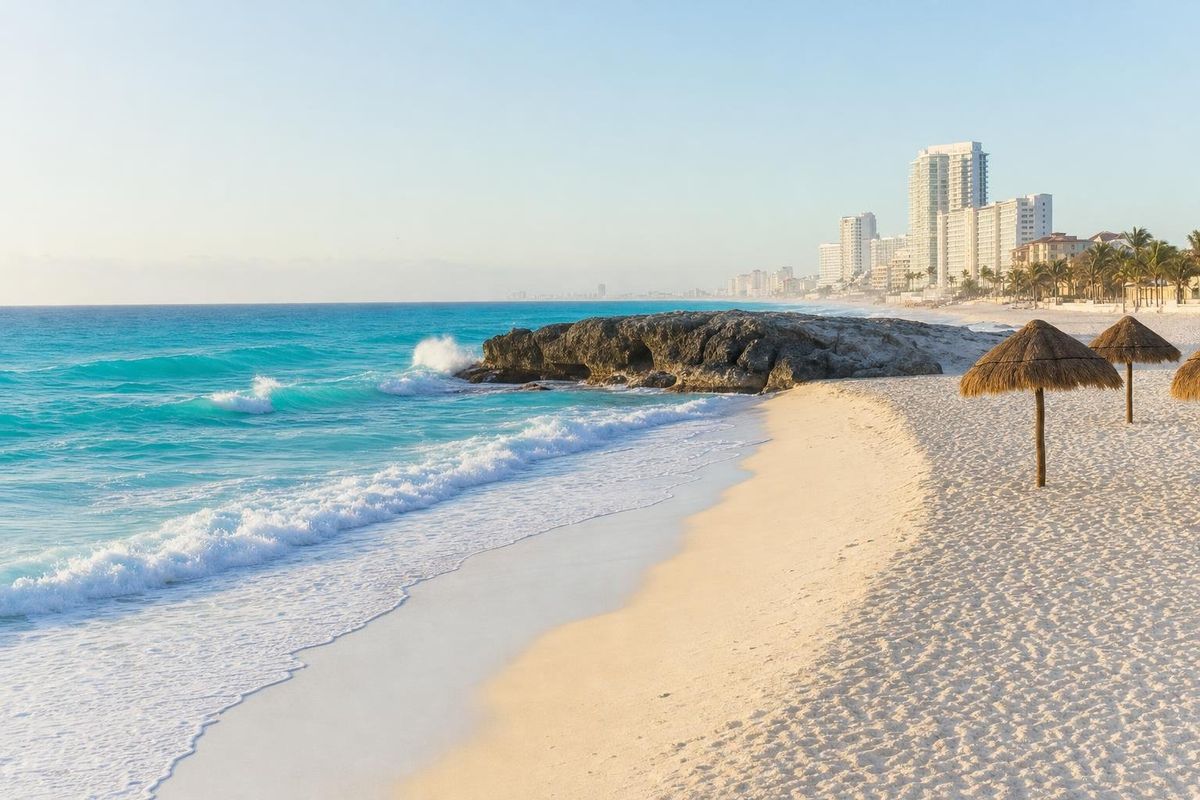
AI-generated image Beaches · Quintana Roo
Playa Chac Mool
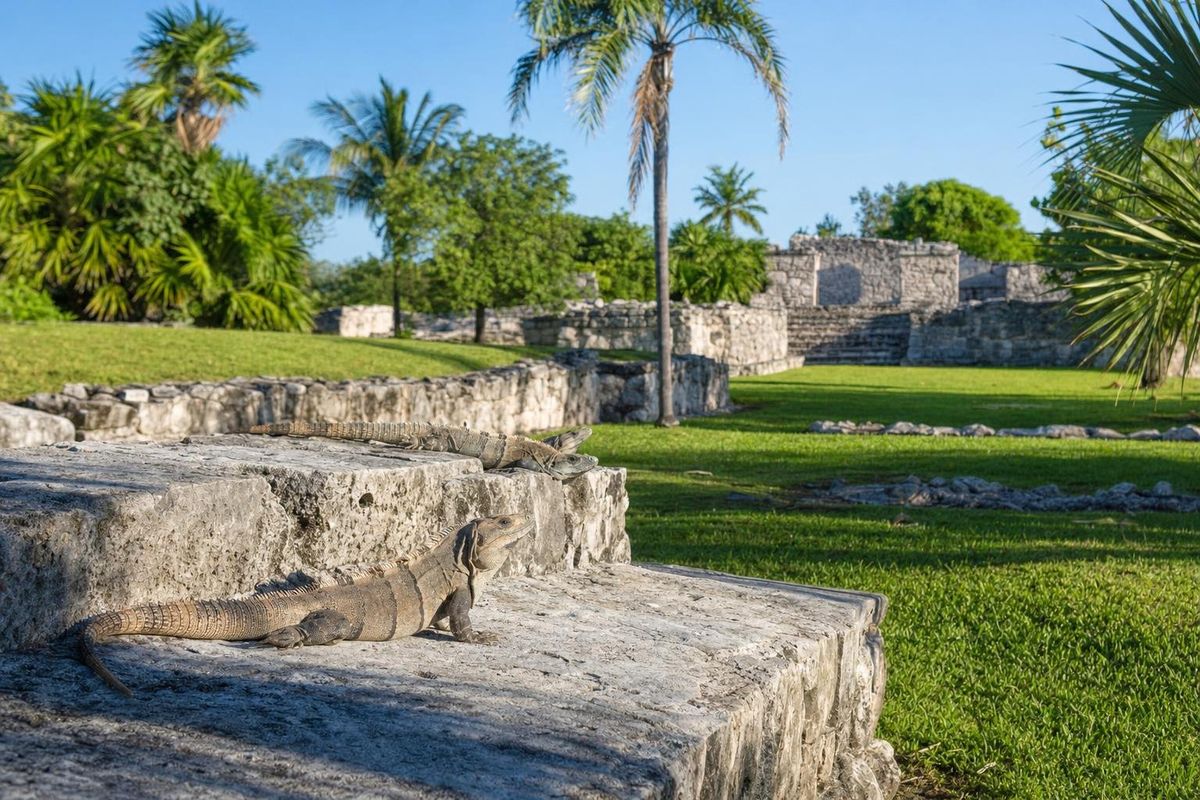
AI-generated image Maya Ruins · Quintana Roo
El Rey
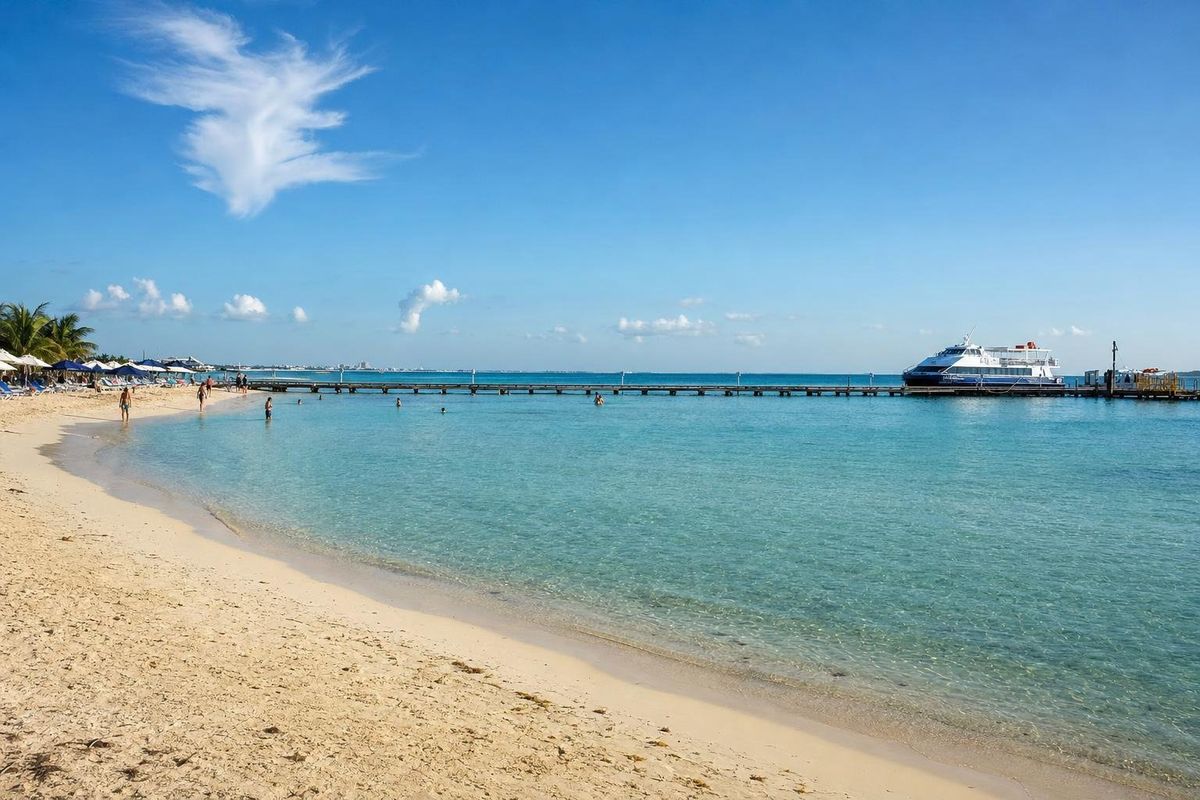
AI-generated image Beaches · Quintana Roo
Playa Tortugas
AI-generated image Beaches · Quintana Roo
Playa Langosta