
−45 m · Xibalba · Maya Mysteries · Yucatán
Phallic Sculpture in the Maya World: Uxmal, Chichén Itzá and Beyond
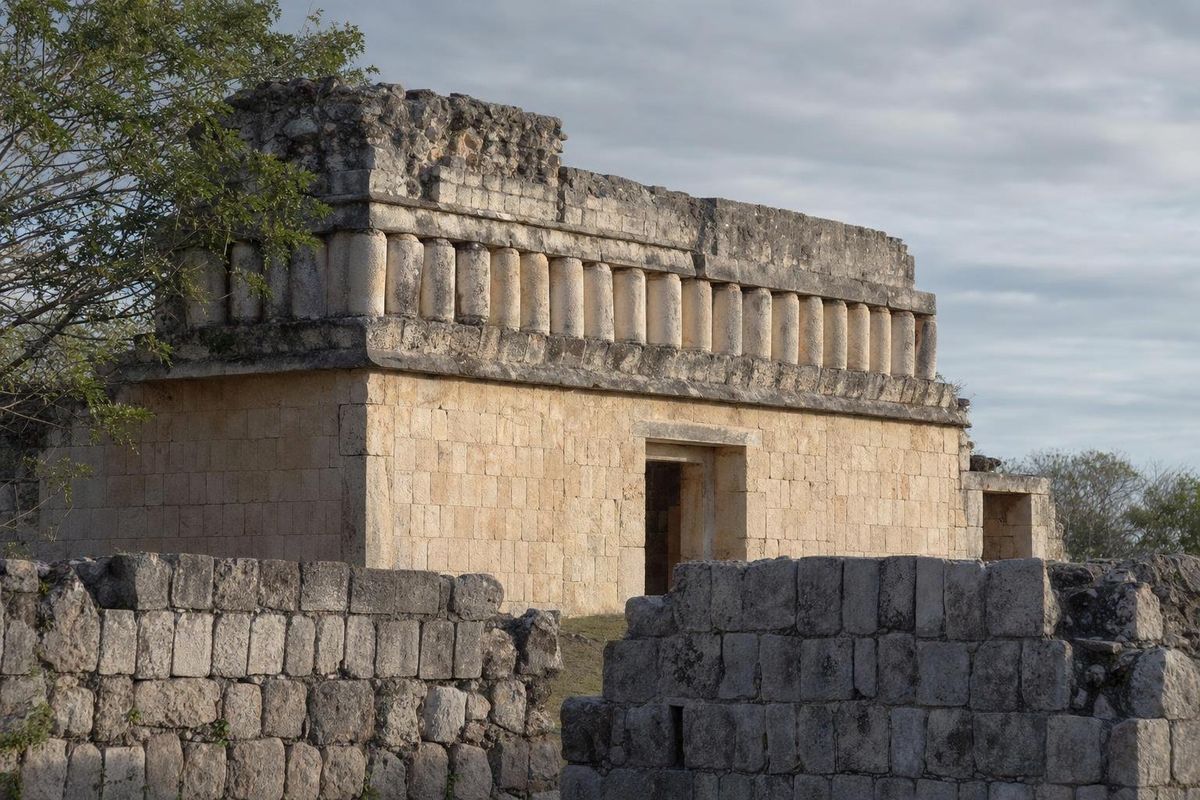
Phallic sculpture is one of the less advertised features of the Maya ruins of northern Yucatán. Carved stone phalli, some built into buildings and some standing alone, are concentrated in the Puuc hills around Uxmal and at Chichén Itzá, mostly from about AD 800 to 1000. Archaeologists read them as part of a fertility cult tied to rain, maize and the authority of noble families, though much about it is still unclear.
What phallic means, in Mexico and elsewhere
A phallic object is one that represents the male organ, either realistically or as a simplified upright shape. The phallus as a symbol is far older than any single culture. Greek herms were pillars topped by a head of Hermes; Romans hung small charms called fascina against bad luck; in Hindu temples the lingam stands for the god Shiva. In most of these cases the phallic meaning is not erotic in the modern sense. It is about generation, protection and the continuity of a family or a community.
The same caution applies in ancient Mexico. A stone phallus on a Maya building was a public, religious object placed by the people who ran the city. Treating it as a curiosity misses the point; treating it as proof of some secret orgiastic cult, an idea that circulated in older popular books, has no support in the evidence.
Where the stone phalli are
Uxmal
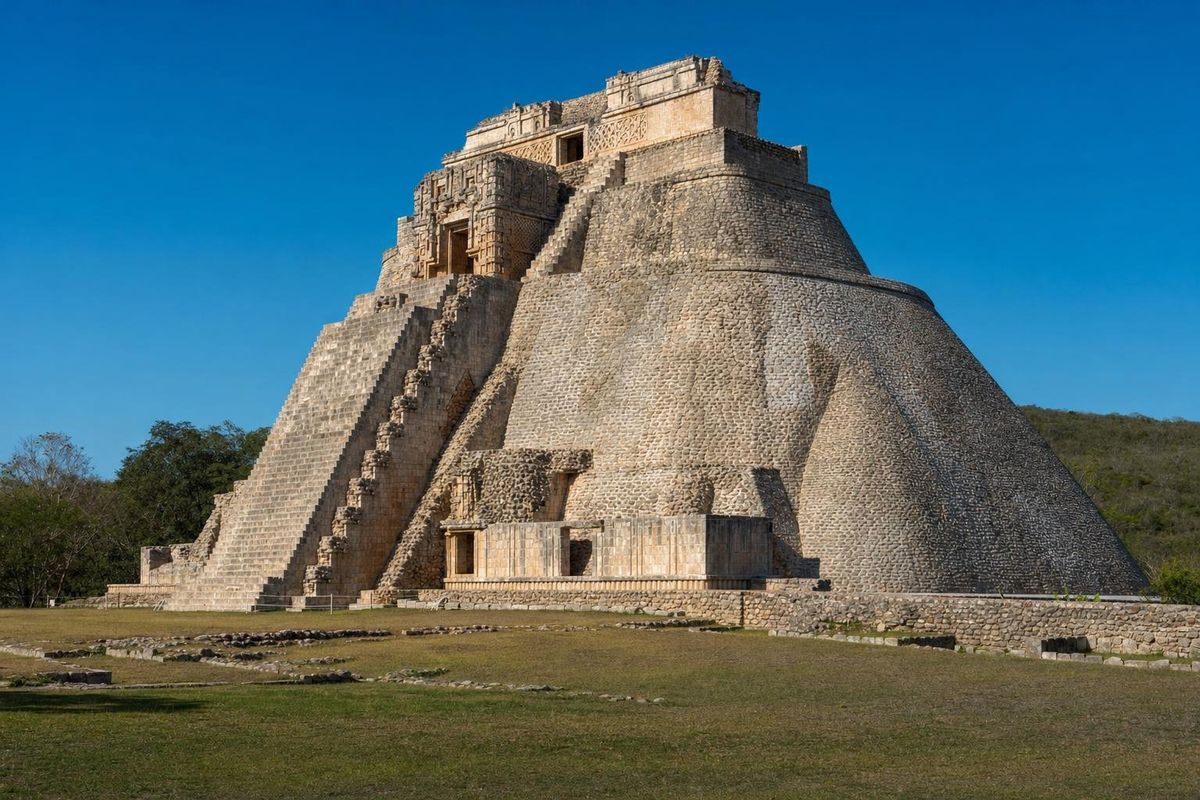
At Uxmal, the largest city of the Puuc region, a building away from the main plazas is known as the Temple of the Phalli. Stone phalli project from its upper facade, and some scholars have suggested that they worked as spouts, carrying rainwater off the roof. If so, the symbolism is direct: water falling from the building as fertility falling from the sky, in a region with no rivers where every crop depended on rain. More phallic stones have turned up elsewhere at Uxmal, and some are displayed at the site.
Chichén Itzá and the Puuc towns
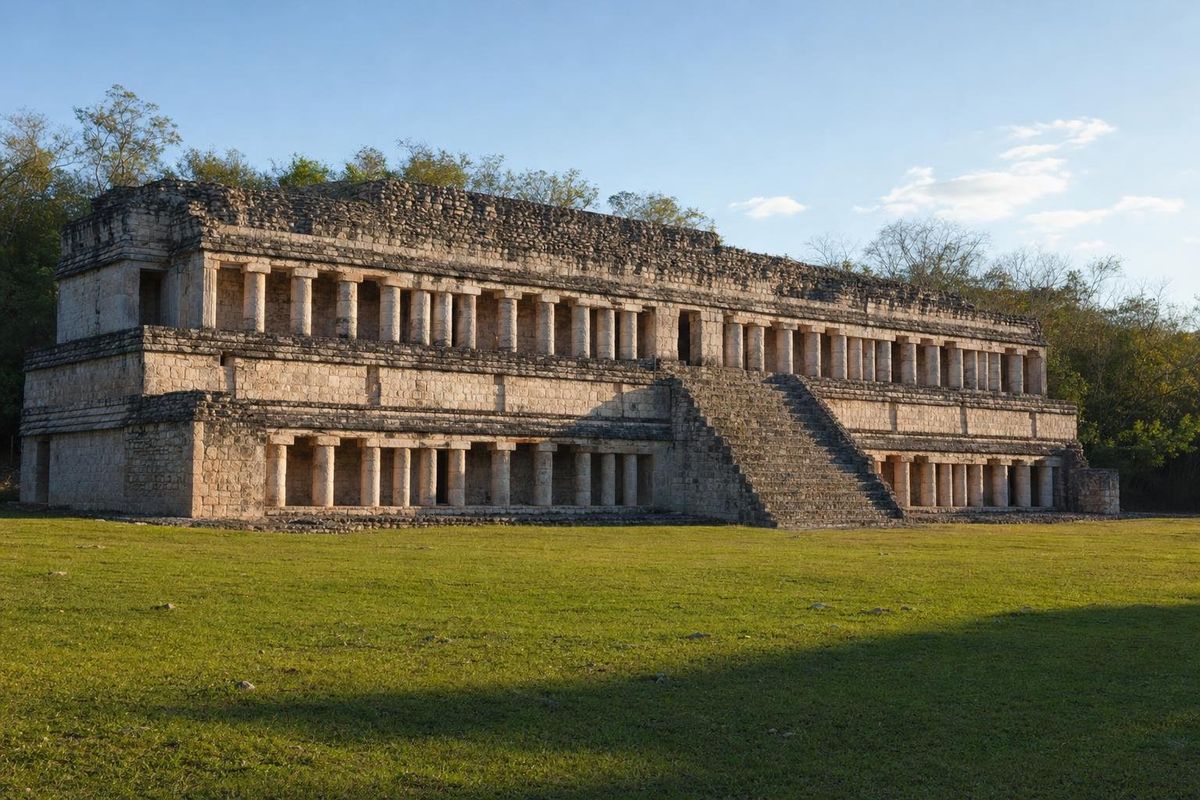
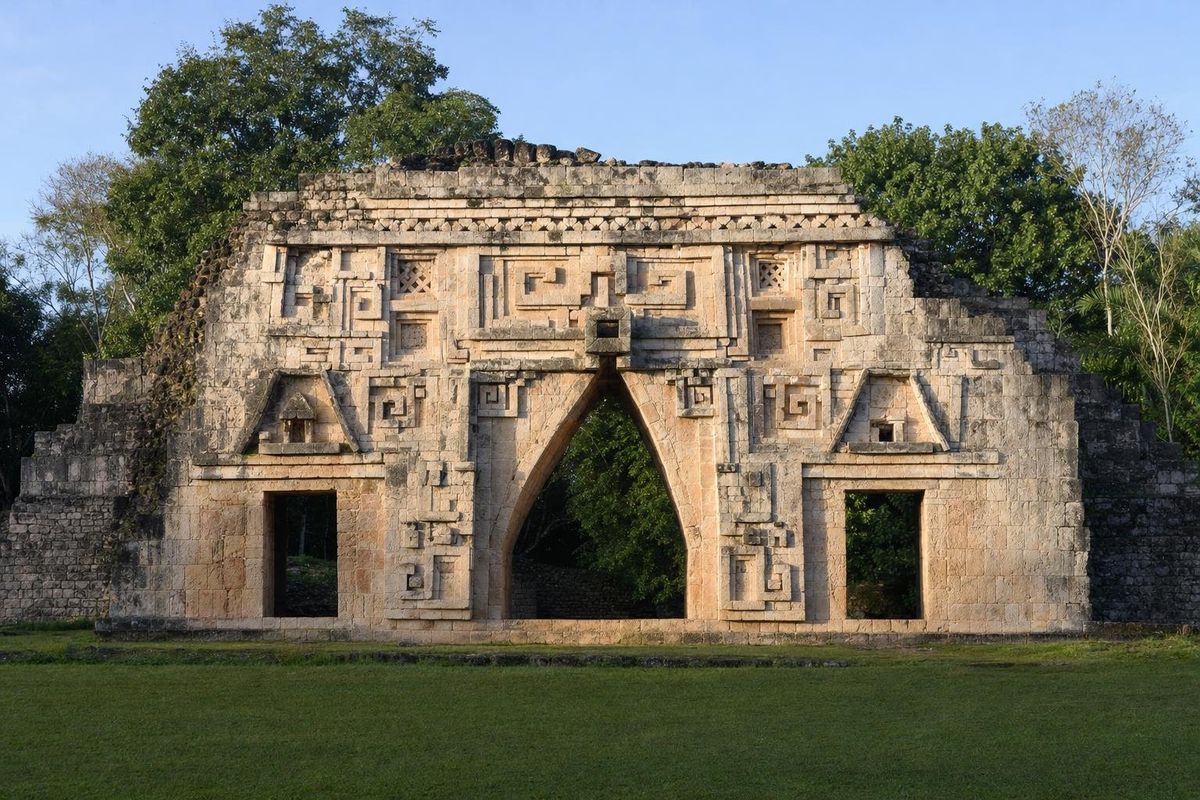
At Chichén Itzá, the outlying Chichén Viejo group includes a structure also nicknamed the Temple of the Phalli, with carved phalli set along its walls. Free-standing phallic stones have been recorded at several smaller Puuc towns, the cluster of sites that also includes Sayil and Labná. Some writers have looked for outside influence, pointing to the Gulf Coast Huastec culture, which made frankly phallic sculpture and traded along the coast. That link is suggested, not proven, and most of the Yucatán pieces are in a local Puuc style.
Elsewhere in Mesoamerica
Phallic imagery is not unique to Yucatán. Huastec stone figures from Veracruz and San Luis Potosí often show male fertility openly. Among the Classic Maya of the south, the subject appears less as sculpture and more through ritual, as the next section explains.
Interpretations: rain, maize and lineage
Most researchers group the Yucatán phalli under fertility, but fertility in a Maya sense covered more than people. It meant rain arriving on time, maize growing, and the noble lineage continuing. Several readings exist side by side:
- A rain and agriculture reading, supported by the possible spout function at Uxmal and by the close connection between the Puuc cities and their water cisterns (chultunes).
- A lineage reading, in which phallic monuments proclaimed the continuity of ruling families during a period of rapid growth and political competition.
- A ritual reading that links the sculptures to bloodletting, the sacred act in which Maya rulers drew their own blood.
That last point needs some care. Classic Maya inscriptions and images show kings drawing blood from their own bodies with stingray spines, obsidian blades or bone perforators, an offering to gods and ancestors. Carved lintels at Yaxchilán show royal women performing the same ritual through the tongue, and some scenes indicate that men offered blood from the genitals. Linda Schele and Mary Ellen Miller brought this subject into wide discussion in their 1986 book The Blood of Kings. Blood from that part of the body was a symbol of life given back to the gods, and some scholars see the phallic sculpture of Yucatán as a public echo of the same idea.
A further view places the cult in the political turmoil at the end of the Classic period, when Puuc cities grew quickly, then emptied. Large public displays of fertility could have been one answer to drought and uncertainty. The evidence for this is circumstantial, and it remains an interpretation.
A short timeline
| Period | What happens |
|---|---|
| Classic, about AD 250 to 800 | Royal bloodletting shown on monuments in the southern lowlands; phallic sculpture rare |
| Terminal Classic, about AD 800 to 1000 | Puuc cities flourish; most known phallic sculpture in northern Yucatán dates to this time |
| Early Postclassic | Chichén Itzá dominates the north; Puuc cities largely abandoned |
| Spanish conquest, 16th century | Friars record Maya religion; phallic stones are often removed or broken |
Seeing it in person
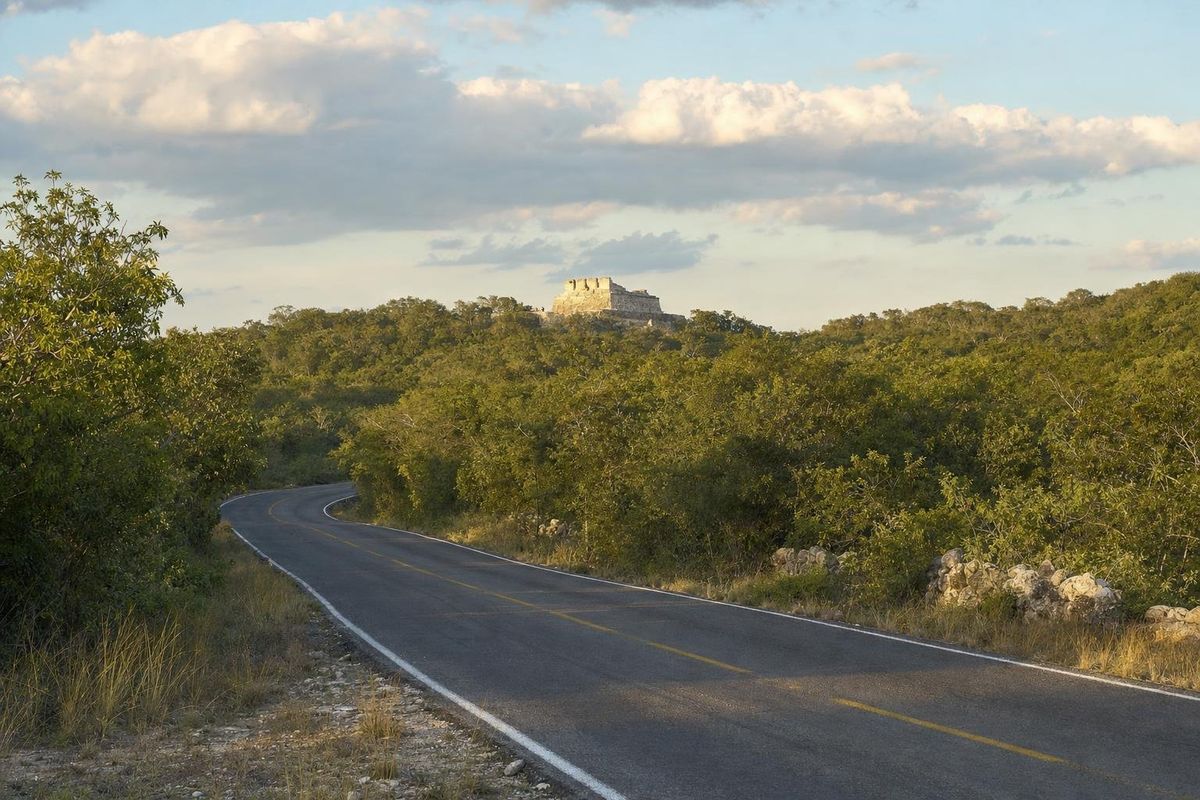
Uxmal lies about an hour south of Mérida by road and is the obvious base for this subject; it is a UNESCO World Heritage Site (UNESCO listing). The building with the phalli is away from the main plazas, and paths and access to individual structures change, so ask at the entrance which areas are open. Combining Uxmal with Kabah, Sayil and Labná on the same day is easy by car, and the Puuc hills route covers it. At Chichén Itzá, Chichén Viejo is a longer walk from the main zone, and parts of it are not always open.
Some sculptures were moved to museums long ago, and pieces from the Puuc region turn up in the anthropology collections in Mérida and Mexico City. Labels in those galleries tend to be brief, so it helps to know the context beforehand. The sculptures are religious objects, and visitors are expected not to climb on them or touch them. More themes from Maya iconography are collected under Maya Mysteries.
A practical observation: the best light for reading carved relief at Uxmal is low sun, early or late in the day, when even worn stone throws a shadow.
Questions about Maya phallic sculpture
Was there really a phallic cult among the Maya?
There was a clear concentration of phallic sculpture in northern Yucatán between roughly AD 800 and 1000. Scholars call it a fertility cult, but there is no surviving text describing its rites, so details are reconstructed from the sculptures and their settings.
What does the phallus symbolize in Maya art?
The usual reading is fertility in a broad sense: rain, maize and the continuity of a noble lineage. Some researchers also connect it with royal bloodletting rituals.
Where is the Temple of the Phalli?
Uxmal has a building known by that name away from the main plazas, and Chichén Itzá has a similarly nicknamed structure in the outlying Chichén Viejo group. Both names are modern.
Is the sculpture explicit?
Most pieces are simplified upright stone shapes set into walls or standing alone. They are presented at the sites as archaeological objects, without sensational treatment.
Can the phallic stones be seen on a day trip from Mérida?
Yes. Uxmal is about an hour away by road. Check at the entrance which parts of the site are open, since access to outlying buildings varies.
Nearby on the map
AI-generated image Maya Ruins · Yucatán
Uxmal
AI-generated image Trips · Yucatán
Puuc Hills
AI-generated image Maya Ruins · Yucatán
Sayil
AI-generated image Maya Ruins · Yucatán
Labná