
−5 m · Shallows · Towns & Villages · Quintana Roo
Ahau and the Aldea Maya: Life in the Living Maya Villages
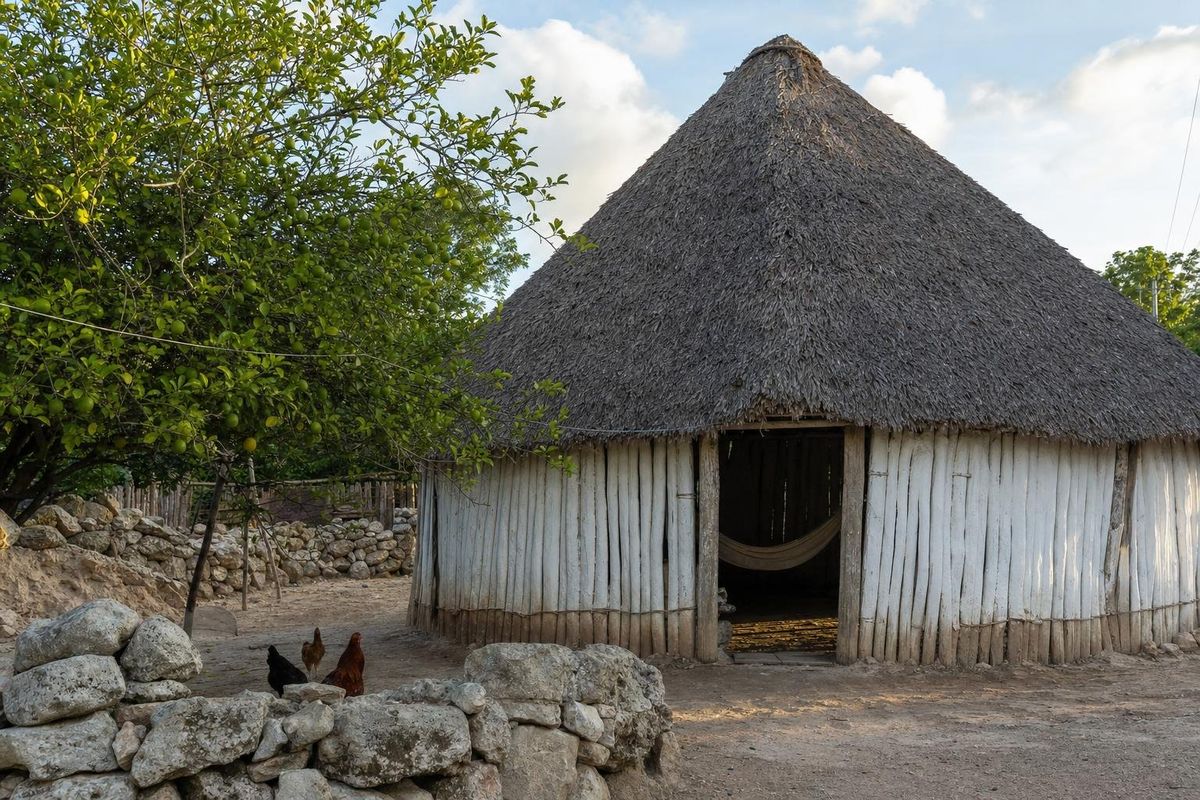
Ahau, written Ajaw in modern spelling, is one of the most important words in Maya history: the title of a lord or king, and the name of one of the twenty days of the sacred calendar. Its heirs live in the aldea maya, the small Maya village of the Yucatán peninsula, where Yucatec Maya is still the first language, houses are oval with thatched roofs, and families work the milpa, the cornfield, much as their ancestors did. Many villages between Cobá, Valladolid and Felipe Carrillo Puerto now welcome visitors through community-run projects.
What Ahau means
In Classic Maya inscriptions, ajaw is the word for "lord". A king carried the fuller title k'uhul ajaw, "holy lord", followed by the emblem glyph of his city, so the ruler of Calakmul was the holy lord of the Snake kingdom. The glyph for ajaw is often drawn as a simple face, and it appears thousands of times on stelae, lintels and painted vessels.
Ahau is also the twentieth day sign of the 260-day calendar, the tzolk'in, associated with the sun and with rulership. Because the calendar's larger cycles always ended on a day Ahau, each twenty-year period, a k'atun, was named after the Ahau day on which it ended. The colonial Books of Chilam Balam, written in Yucatec Maya in European script, attach prophecies to these k'atuns: Katun 8 Ahau, for example, was remembered as a time of upheaval and abandonment. The word Ahau thus links kings, time and prophecy in a single sign.
For other recurring figures in Maya art, the Maya mysteries section explains the iconography in more detail.
Life in a Maya village today
Roughly a quarter of the people in the state of Yucatán speak Yucatec Maya, and the share is higher in the interior of Quintana Roo, the area historically known as the Zona Maya. Villages there are small, often a few hundred people, laid out around a church, a plaza, a school and a basketball court. Families live in house compounds, the solar, behind low dry-stone walls.
The na
The traditional house, the na, is oval, with walls of vertical poles packed with mud and lime and a tall roof thatched with palm leaves or zacate grass. The shape is ancient: the Puuc-style stone friezes at Uxmal and Labná show the same houses carved in stone a thousand years ago. Inside, hammocks hang from the beams and are rolled up during the day. The steep roof sheds rain and keeps the room cool. Concrete block houses now stand next to many old ones, and families often use both, sleeping in one and cooking in the other.
The milpa
The milpa is the heart of village life: a field cut from the forest, planted with maize, beans and squash together, worked for a few years and then left to regrow. Families also keep hens, turkeys and pigs in the solar, grow fruit trees and herbs, and many keep bees, including the native stingless Melipona bee, which the Maya have raised in hollow logs since pre-Hispanic times. Ceremonies such as the Ch'a Chaak, a prayer for rain led by a local h-men, or ritual specialist, are still held in many communities.
Food
Village cooking uses the pib, an earth oven, for cochinita pibil and mucbipollo, along with handmade tortillas, black beans, chaya leaves and the local chile, habanero. A meal in a family kitchen is often the most memorable part of a visit.
Visiting an aldea maya
Many villages in the area offer visits through cooperatives or community projects. A typical half day includes a walk through the village, a look at a milpa and a beehive, a demonstration of tortilla making or embroidery, sometimes a swim in a nearby cenote, and a meal. The best of these are run by the people who live there, so that the income stays in the community.
Commercial "Maya village" stops are also sold as part of package tours from the coast. Some are staged for visitors rather than lived in. If authenticity matters to you, ask who runs the visit and where the money goes, and favor projects connected to a real village.
Good starting points include the villages near the ruins of Cobá and the forest reserve at Punta Laguna, which is itself a Maya community, and the countryside covered in the trip around Valladolid.
How to behave as a guest
- Ask before taking photos of people, homes or ceremonies, and accept a no.
- Learn a few words of Maya. Ba'ax ka wa'alik? is a common greeting, and Dios bo'otik means thank you.
- Do not walk into a solar uninvited; the low wall marks a private home.
- Buy crafts and honey directly from the people who make them.
- Dress modestly, especially near churches.
Getting there and when to go
The villages of the interior lie off the roads that link Tulum, Cobá, Valladolid and Felipe Carrillo Puerto, roughly one to two hours from the coast. A car is the easiest way to reach them. Colectivos serve the larger villages, but connections are slow.
The dry season, roughly from December to April, is the most comfortable time. Village fiestas, usually tied to the patron saint, bring processions, bullfights in wooden rings and dances called vaquerías, and they make a visit lively if you happen to arrive on the right days. Hurricane season runs from June to November.
For more towns and villages, see the towns and villages section, and for the highland Maya of Chiapas, the page on Zinacantán. Look up at the roof beams in an old na: the main posts are often forked at the top, a design that needs no nails.
Maya village questions
What does Ahau mean in Maya?
Ahau, or Ajaw, means "lord". It was the title of Maya rulers and is also the name of the twentieth day sign in the 260-day sacred calendar.
What is an aldea maya?
Aldea maya is Spanish for "Maya village". In the Yucatán peninsula it refers to the small rural communities where Yucatec Maya is spoken and traditional houses and farming continue.
Can you visit a Maya village in the Yucatán?
Yes. Many villages offer community-run visits with a walk, a meal and craft demonstrations. Choose projects run by the villagers themselves.
Do Maya people still live in thatched houses?
Many do, often alongside newer concrete houses in the same yard. The oval thatched na stays cool and is still built in villages across the peninsula.
What language is spoken in Maya villages?
Yucatec Maya, usually alongside Spanish. In the interior of Quintana Roo and Yucatán many older people speak Maya as their first language.
Nearby on the map
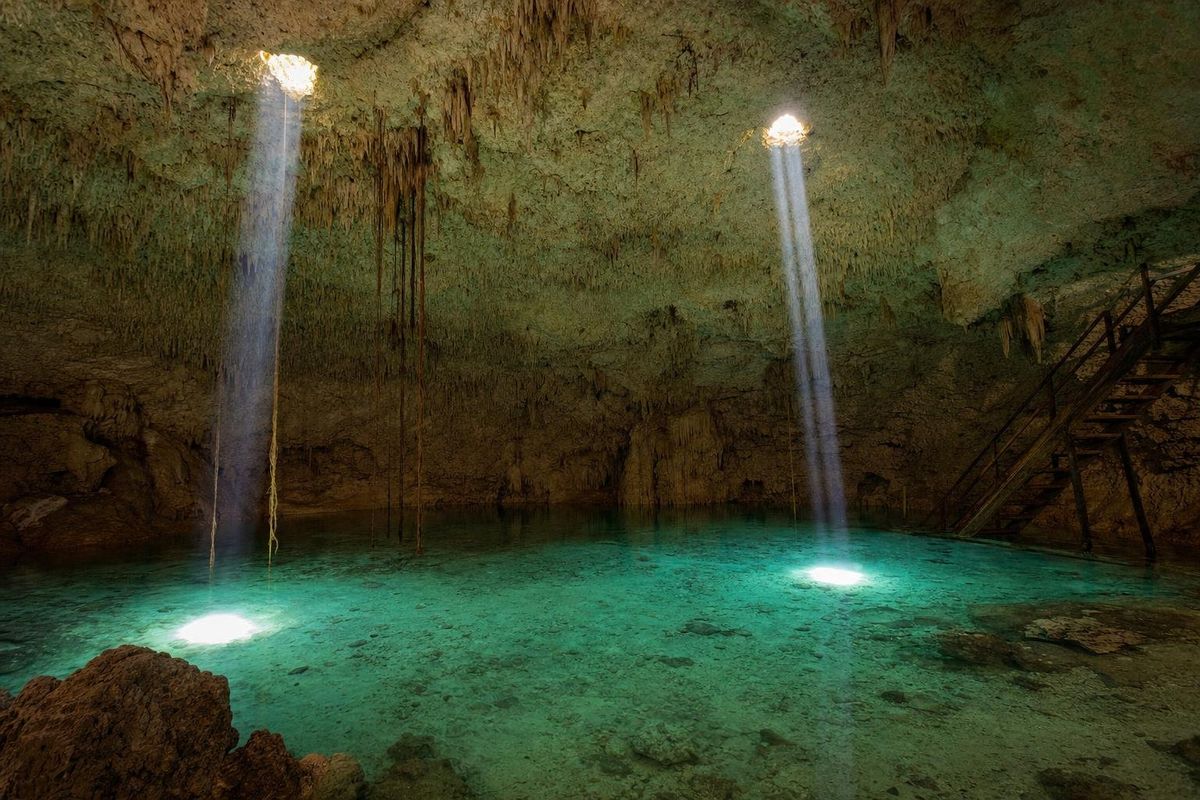
AI-generated image Cenotes · Quintana Roo
Choo Ha
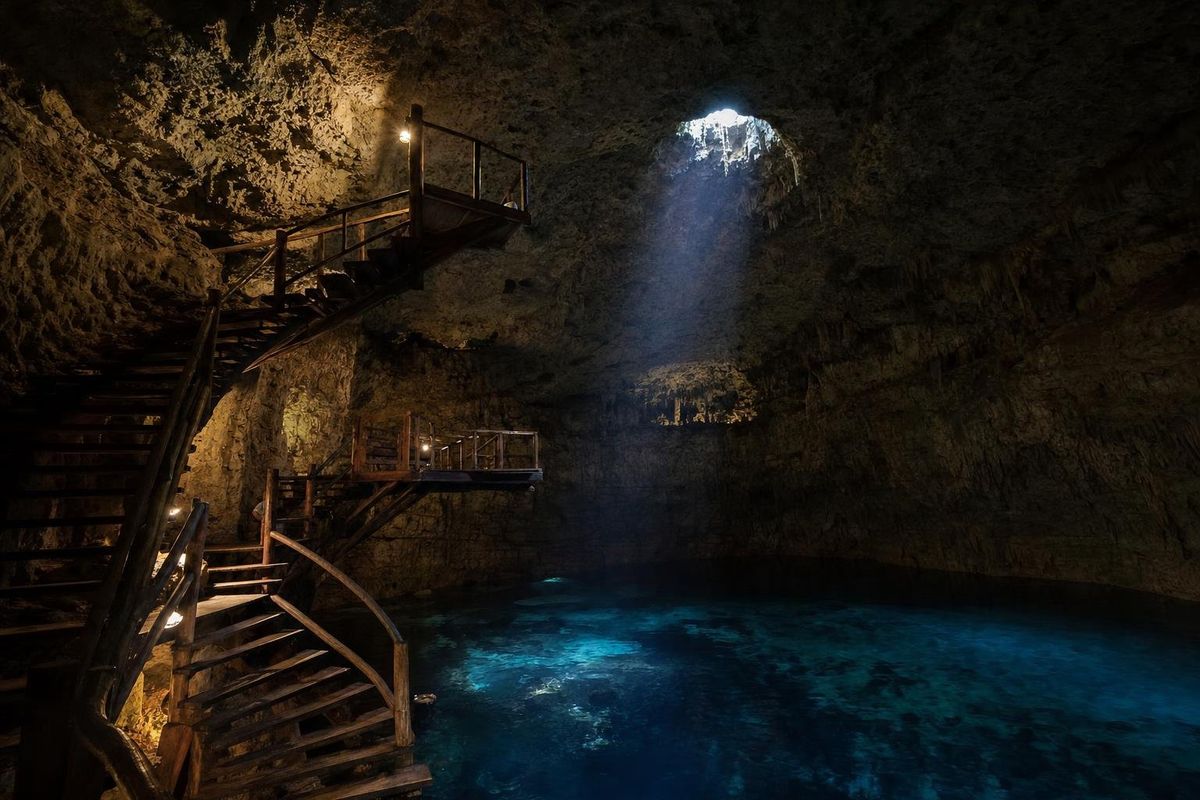
AI-generated image Cenotes · Quintana Roo
Tankach-Ha
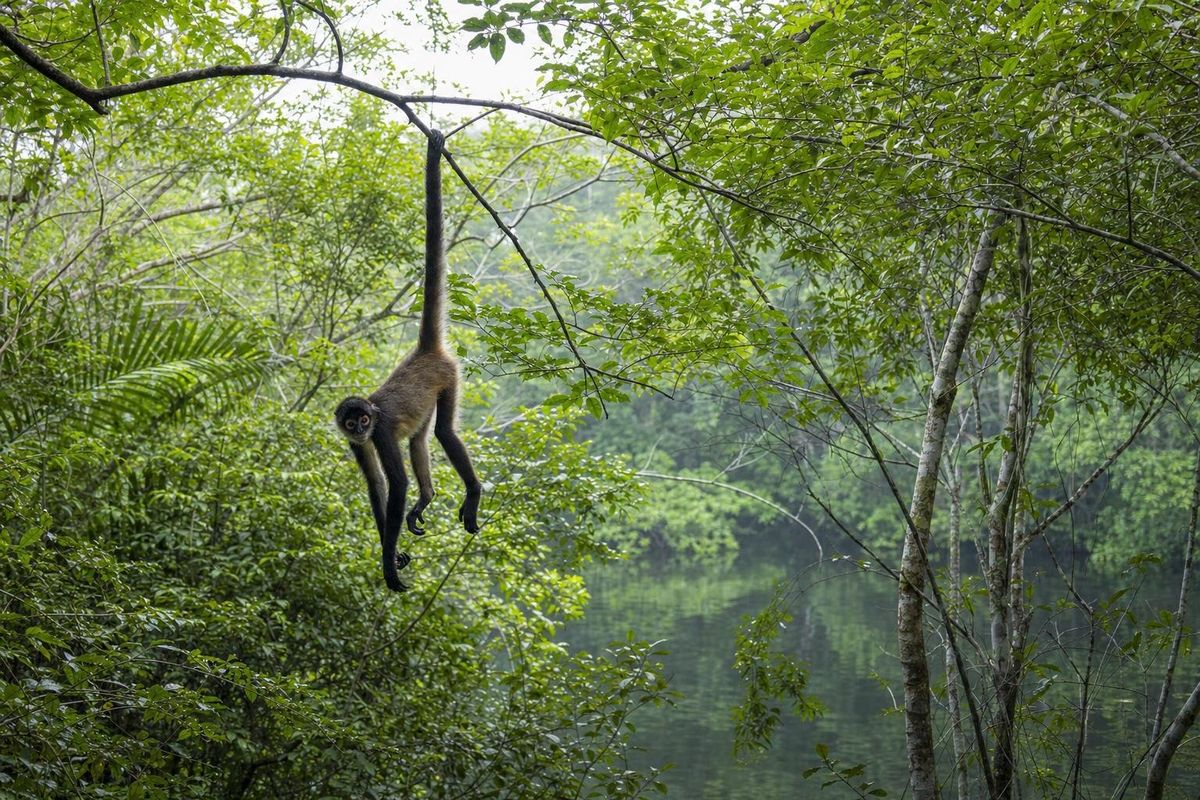
AI-generated image Jungles · Quintana Roo
Punta Laguna
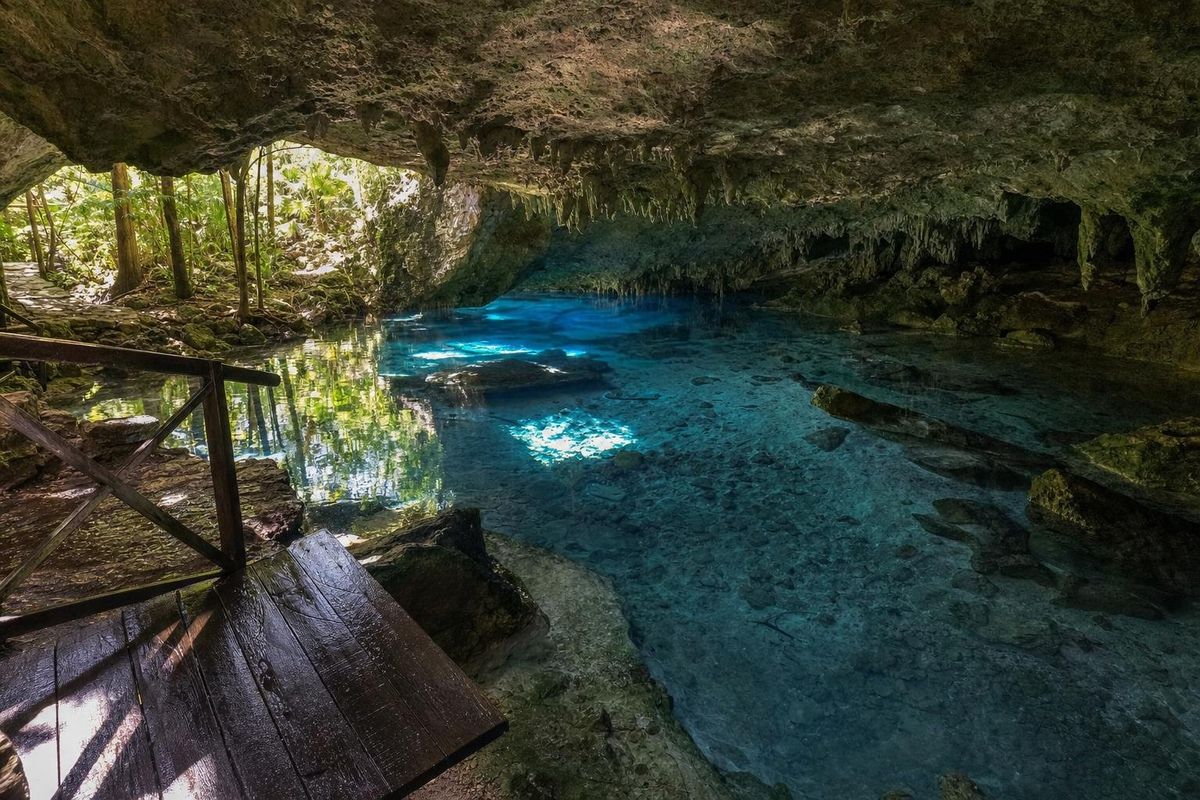
AI-generated image Cenotes · Quintana Roo
Dos Ojos