
−45 m · Xibalba · Maya Mysteries · Estado de México
The Aztec Warrior Headdress, Tláloc's Goggles and Teotihuacan Dress
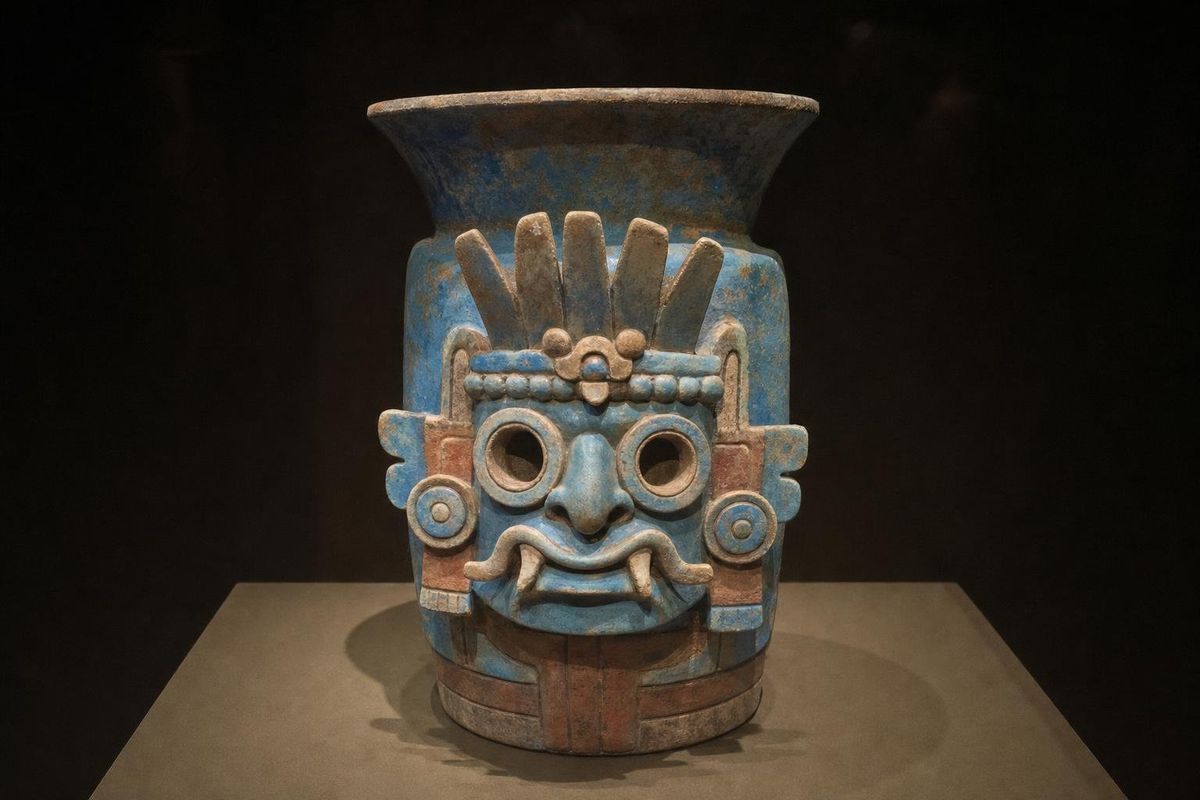
The goggles belong to Tláloc, the rain god of central Mexico, recognisable by rings around his eyes, fangs and a curling upper lip. At Teotihuacan the goggled face also became part of a warrior's headdress and costume, and that costume travelled to the Maya kingdoms. By the time of the Aztecs, the goggles had a long history behind them, and the famous Aztec warrior headdress drew on several older traditions at once.
Who was Tláloc?
Tláloc is the Nahuatl name of the Mexican rain god, used by the Aztecs (Mexica) and applied by archaeologists to the earlier goggled god of Teotihuacan, whose original name is unknown. He brought rain, lightning and fertility, and also floods, hail and drought. In Aztec belief he ruled Tlalocan, a paradise of abundant water, and was served by small rain spirits called tlaloque, who poured water from jars.
His image is consistent across a thousand years: round rings around the eyes, a band forming a curled upper lip like a moustache, and long fangs or teeth. He often carries a lightning bolt or a jar. The Maya rain god Chaak is a separate figure, with a long nose and an axe, though both share the role of bringing storms.
Where the goggles came from
Why rings around the eyes? No ancient text explains it, and the meaning of the goggles is one of the open questions of Mesoamerican iconography. Proposals include:
- The eyes of animals that see in darkness, such as owls, or the markings of butterflies, both closely linked to warriors at Teotihuacan.
- Mirrors. Some scholars connect the rings to polished stone mirrors, which were used for divination and seen as openings to other worlds.
- Water. The rings may echo drops, pools or the circles that form when rain falls on still water.
At the Temple of the Feathered Serpent at Teotihuacan, heads with ringed eyes alternate with serpent heads. They were long read as Tláloc; Karl Taube and Saburo Sugiyama later argued they are headdresses rather than faces, a point explained on the page about the feathered serpent.
The goggles as a warrior's mark
At Teotihuacan, the great city north of modern Mexico City that flourished in the first six centuries AD, goggles appear not only on the rain god but on warriors. Murals and figurines show fighters wearing goggle rings, feathered headdresses and owl or butterfly emblems, carrying atlatls and darts. Taube and others have argued that Teotihuacan linked Tláloc, Venus and warfare in a cult of sacred war, and the goggles became, in effect, a military insignia.
Teotihuacan dress in the Maya world
In AD 378, according to inscriptions at Tikal and neighbouring cities, a figure named Siyaj K'ahk' arrived in the Maya lowlands, and Tikal's king died the same day. Shortly afterwards a new ruler, Yax Nuun Ayiin, took the throne; his father was a lord known as Spearthrower Owl, a name that combines two Teotihuacan war symbols. On Tikal Stela 31, Yax Nuun Ayiin appears on the sides of the monument in Teotihuacan-style war dress, carrying a shield with a goggled Tláloc face.
How far Teotihuacan actually controlled Maya cities is still debated. What is clear is that for centuries afterwards, Maya kings dressed for war in Teotihuacan style, with goggled masks and headdresses, even after Teotihuacan itself had fallen. On a carved lintel at Yaxchilán, a warrior rising from the jaws of a serpent wears this kind of headdress. The costume had become a sign of martial prestige, a way of claiming an ancient foreign source of power.
The Aztec warrior headdress
The Aztecs inherited and reworked much of this. Their warriors dressed according to rank, earned by taking captives. Higher-ranking fighters wore full-body suits of feathers or jaguar pelt over cotton armour, with helmets and headdresses; the eagle warriors wore a helmet in the form of an eagle's head with the face showing through the open beak. Feathered back-devices and banners, recorded in the tribute lists of the Codex Mendoza, showed a warrior's achievements from a distance.
The best-known feather headdress from this world, a spray of hundreds of green quetzal feathers now in the Weltmuseum in Vienna, is often called the headdress of Moctezuma. Who actually wore it is not known, and some researchers think it belonged to a priest rather than a ruler or a warrior.
Tláloc himself held one of the two shrines on top of the Templo Mayor in Tenochtitlan, beside Huitzilopochtli, god of war. Rain and war at the summit of the empire's main temple: the pairing goes back, in part, to Teotihuacan.
The owl
Owls played a different role among the Aztecs. They were associated with Mictlantecuhtli, lord of the dead, and the call of an owl was taken as a bad omen. At Teotihuacan, by contrast, the owl seems to have been a warrior emblem, as the name Spearthrower Owl suggests. The same bird could mean quite different things in two cultures a few centuries apart.
Where to see Tláloc and his goggles
Teotihuacan has goggled figures in its murals and on the Temple of the Feathered Serpent; the UNESCO listing describes the site. In Mexico City, the Templo Mayor museum displays offerings and ceramic Tláloc vessels from the temple, and the National Museum of Anthropology has a huge monolith long identified with the rain god, standing at its entrance. Both fit into the Mexico City trips. For Maya war dress and what people wore more generally, see the pages on Maya warriors and dress in Mesoamerica, or browse Maya Mysteries.
At the anthropology museum, the great stone figure by the entrance was moved from the village of Coatlinchan in 1964. The identification as Tláloc is traditional; some scholars think it may represent a water goddess instead.
Questions about Tláloc's goggles and warrior headdresses
Why does Tláloc wear goggles?
Nobody knows for certain. Readings include owl or butterfly eyes, mirrors used for divination, and ripples of water. The rings are his most consistent feature across a thousand years.
What did Aztec warrior headdresses look like?
They depended on rank. Eagle warriors wore helmets shaped like an eagle's head, others wore feathered helmets and back-devices, and full feather or jaguar-pelt suits marked the highest commoner ranks.
Is Tláloc the same as the Maya rain god?
No. The Maya rain god is Chaak, with a long nose and an axe. Tláloc is the central Mexican god, though Maya rulers borrowed his goggled image for war dress.
Why did Maya kings wear Tláloc goggles?
From the late 4th century, contact with Teotihuacan introduced a war costume with goggles. Maya rulers kept using it for centuries as a sign of military prestige.
What did the owl mean to the Aztecs?
Owls were linked with Mictlantecuhtli, lord of the dead, and their call was considered an omen of misfortune. At earlier Teotihuacan the owl appears instead as a warrior emblem.
Nearby on the map
AI-generated image Maya Ruins · State of Mexico
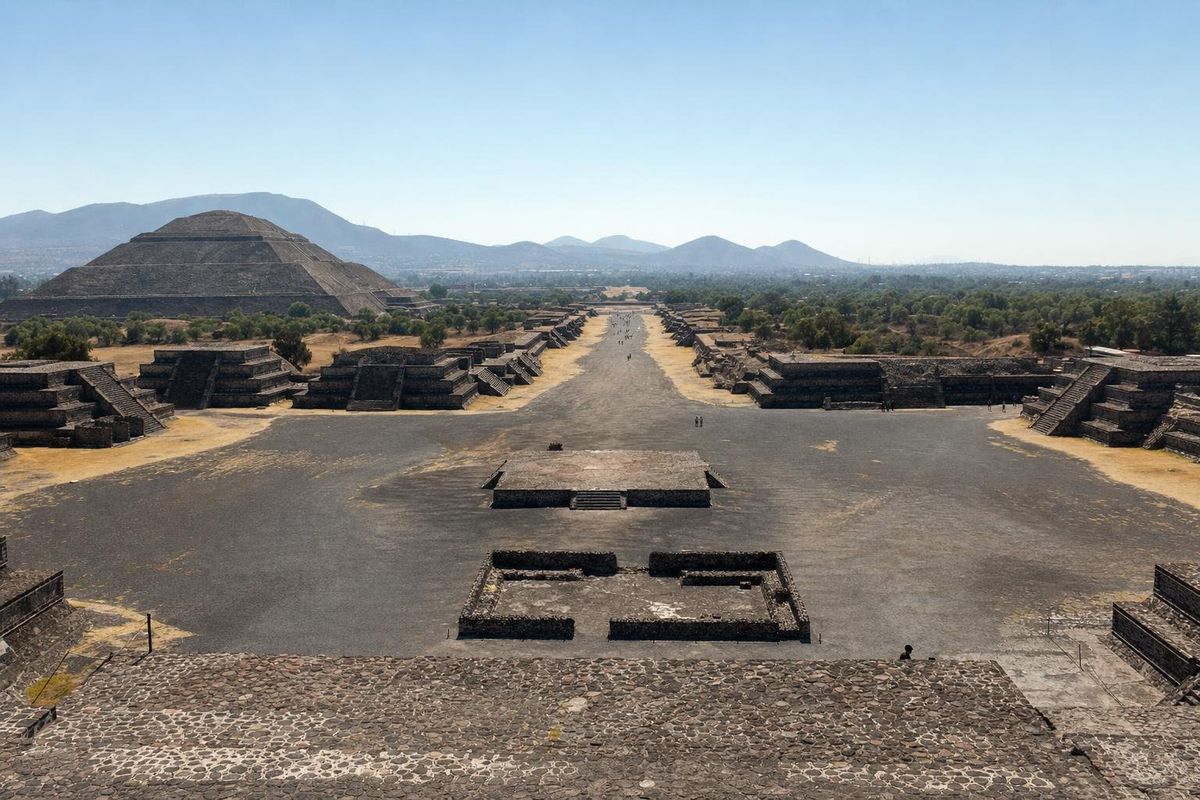
Teotihuacán
AI-generated image Trips · Central Mexico
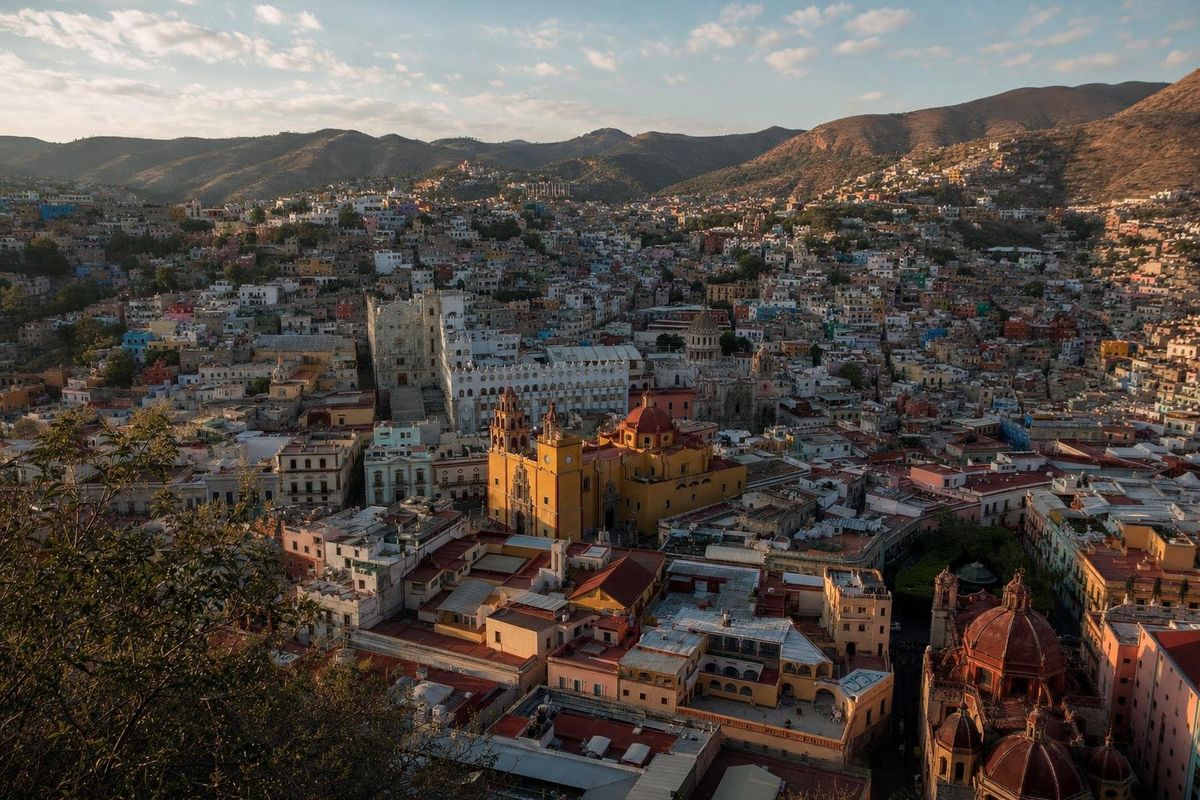
Around Mexico City
AI-generated image Maya Mysteries · Mexico City
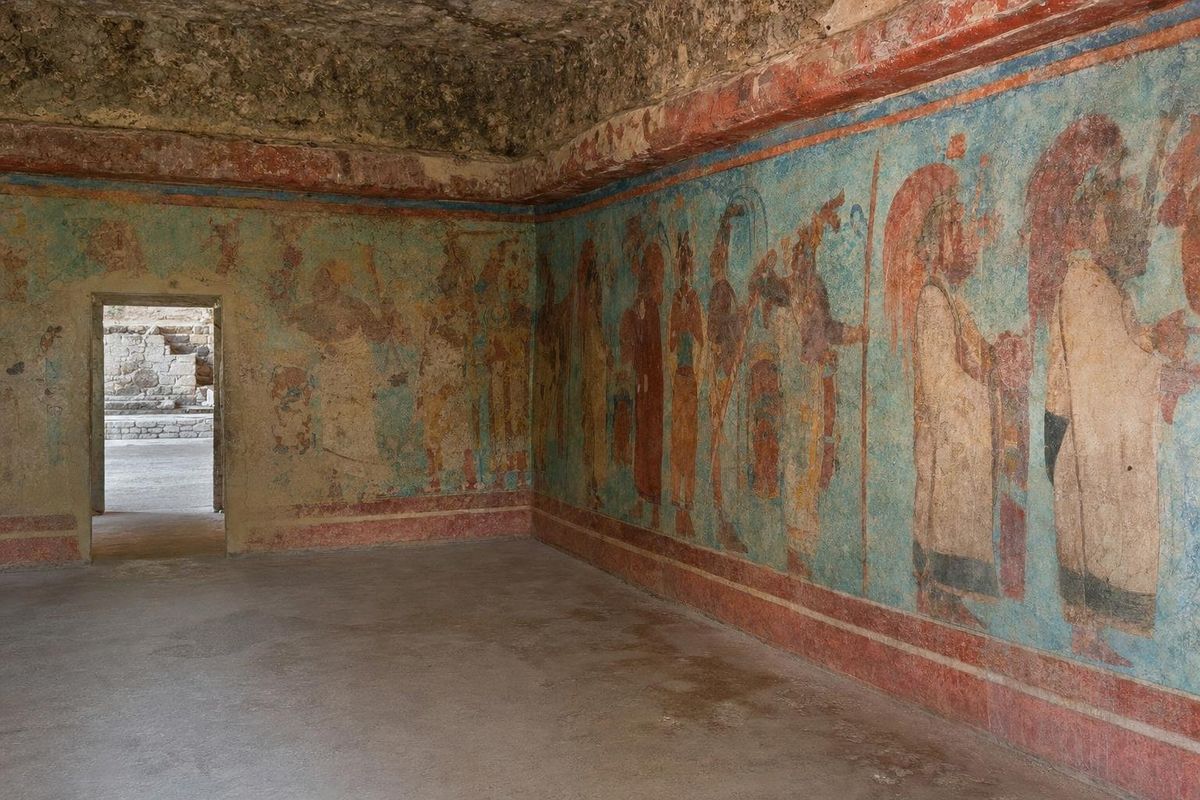
Dress and Ahuianime
AI-generated image Museums · Mexico City
Diego & Frida Studio-House