
0 m · People of Mexico
People of Mexico: Crafts and Cultures of Oaxaca, Chiapas, Yucatán
The Maya and their neighbors are not only a subject for archaeology. Millions of people in southern Mexico speak Indigenous languages, and many crafts sold in the markets carry techniques far older than the colonial towns around them.
Every guide in People of Mexico
AI-generated image People of Mexico · Oaxaca
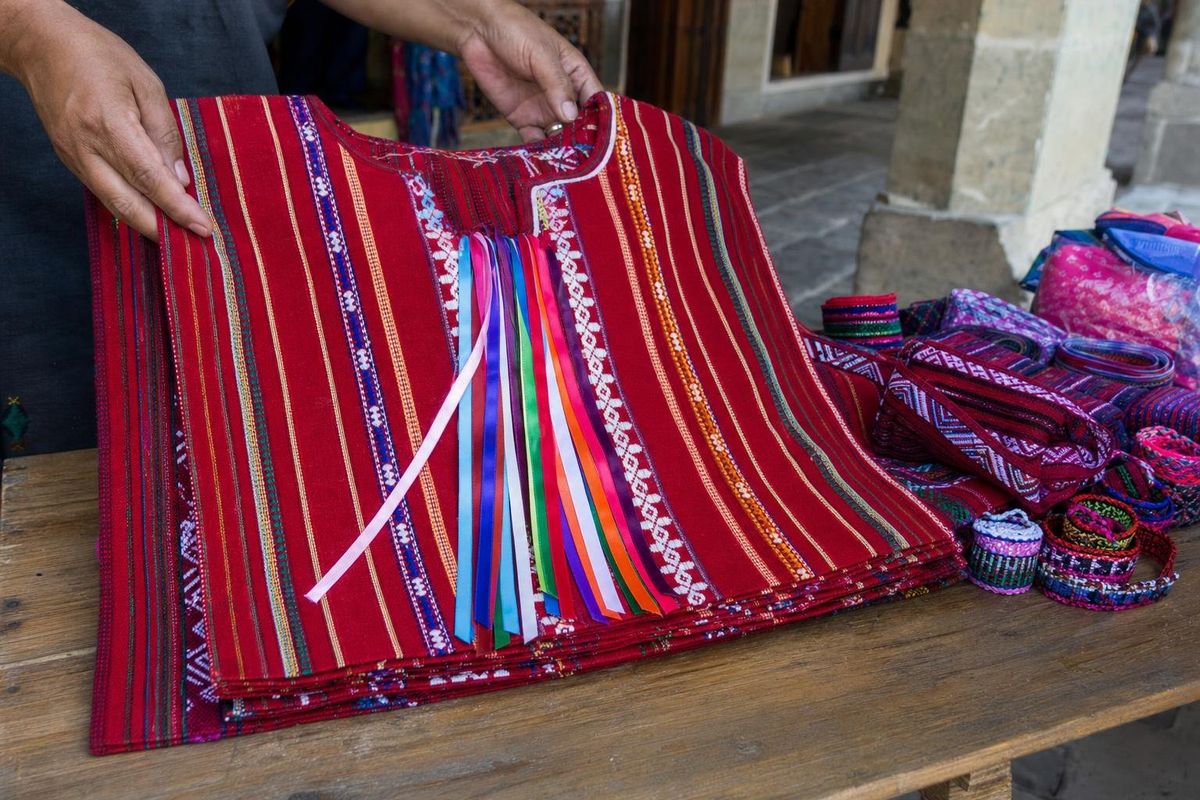
Triqui weaving
AI-generated image People of Mexico · Chiapas
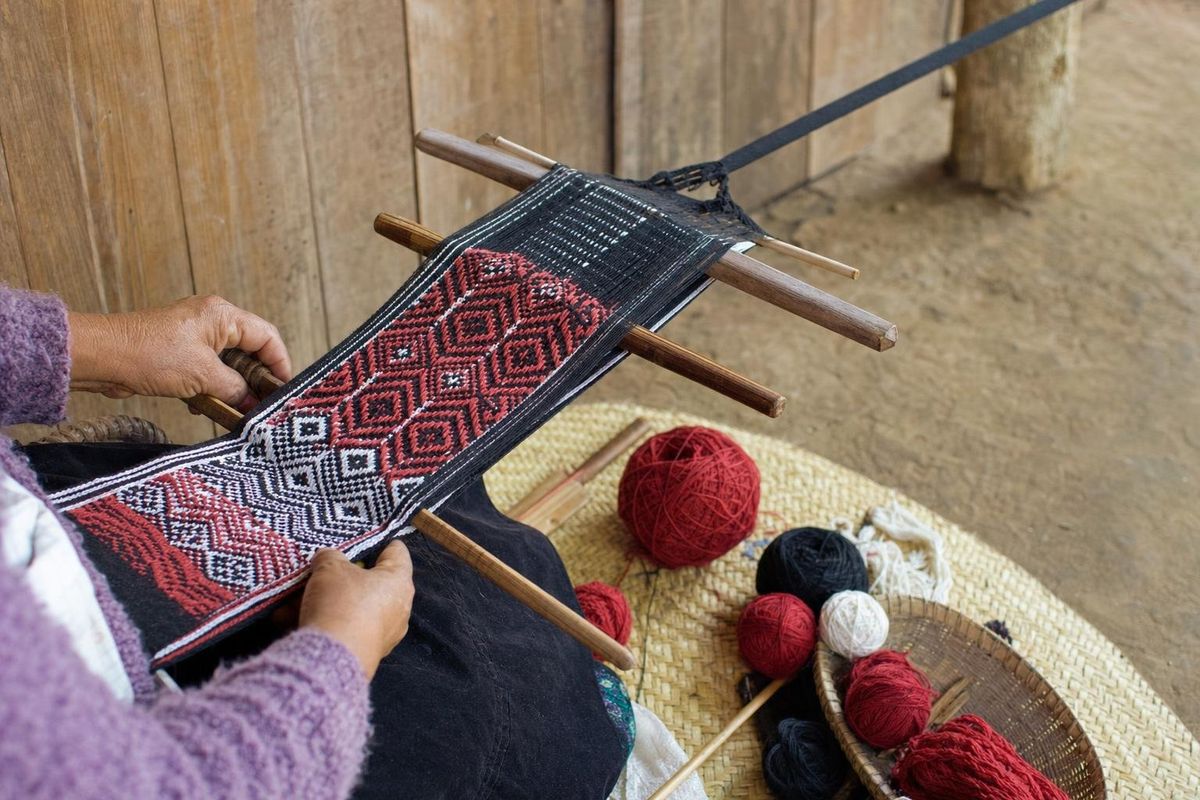
Tzotzil weaving
AI-generated image People of Mexico · Oaxaca
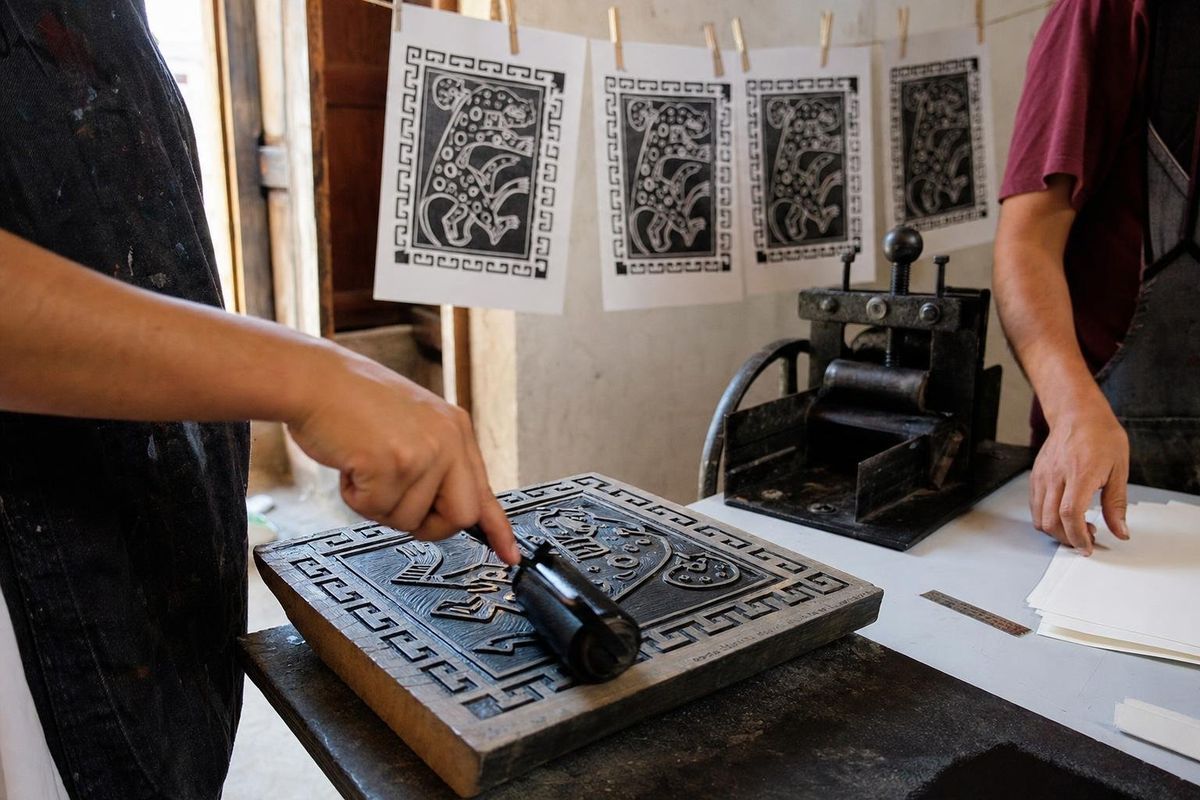
Zapotec art
AI-generated image People of Mexico · Oaxaca
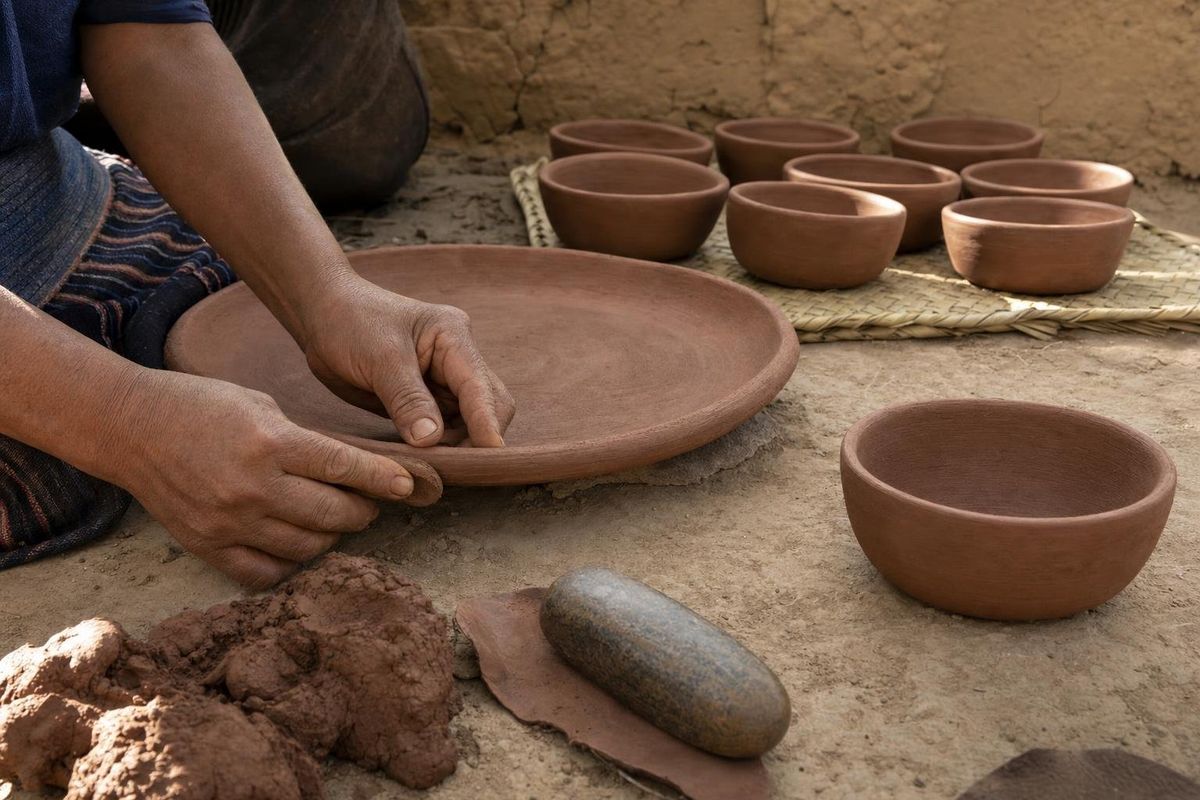
Zapotec pottery
AI-generated image People of Mexico · Oaxaca
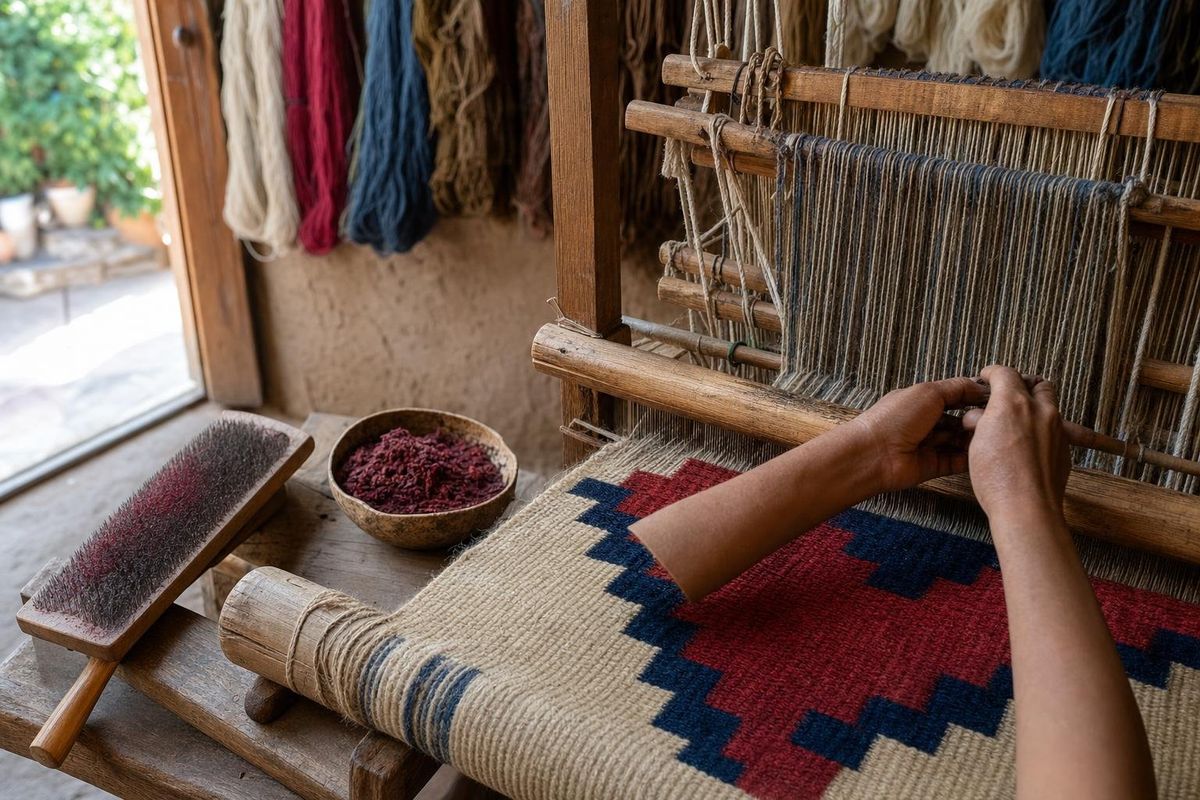
Zapotec rugs
Living cultures, not costumes
Mexico recognizes dozens of Indigenous languages, and the south is where most of their speakers live. A huipil, a carved figure or a rug in a market is usually the product of a particular village, a particular family and techniques passed down over generations. The pages in this section look at the crafts and the communities behind them. They describe what is made and how; they do not profile or name individual makers.
Many of these crafts sit at the meeting point of two histories. Backstrap looms and natural dyes go back to before the conquest, while wool, the treadle loom and many embroidery motifs arrived with the Spanish. What looks like a single tradition is often several layers deep, and communities keep changing it.
Oaxaca: Zapotec, Mixtec and Triqui
The Central Valleys of Oaxaca are Zapotec country, and several villages there specialize. Teotitlán del Valle weaves wool rugs on treadle looms, traditionally dyed with cochineal, indigo and plants; the Zapotec carpet weaver page explains the process. San Bartolo Coyotepec makes barro negro, black pottery burnished before firing, covered in the Zapotec potter page. Other villages carve and paint wooden alebrijes.
The Mixtec region to the west is known for weaving, palm work and a long tradition of painted books. The Triqui, a smaller people from the western mountains, are recognized by the long red huipiles worn by women, many of which are sold in Oaxaca city; the Triqui vendor page looks at that trade and its background in migration from the mountains.
Chiapas and Yucatán: the Maya today
In the highlands of Chiapas, Tzotzil and Tzeltal Maya communities keep backstrap weaving alive, with designs that identify a town at a glance. Zinacantán is known for flower-covered embroidery and San Juan Chamula for black wool; the Tzotzil Maya weaver page describes the looms and patterns.
On the peninsula, Yucatec Maya is spoken widely, and crafts include hammocks woven on vertical frames, cross-stitch and machine-embroidered huipiles, and the formal terno worn for vaquería dances. Many Maya families today work in tourism on the Caribbean coast while keeping houses and milpa plots in their home villages. The milpa, a rotating field of maize, beans and squash, still shapes the farming calendar and many village festivals.
Buying and photographing with respect
Buy from the maker or from cooperatives where possible, so more of the price stays in the village. Haggling is common in markets, but a hand-woven piece that took weeks deserves a fair price. Ask before photographing anyone, and accept a no without argument. In some Chiapas communities, photography inside churches and of people during ceremonies is forbidden and enforced. Avoid treating daily life as a show: a market is a place where people shop.
Copies of Indigenous designs are increasingly made in factories, sometimes abroad. Natural dyes, uneven hand finishing and a seller who can explain the technique are good signs of the real thing.
More communities and crafts
The Lacandón Maya of the Chiapas rainforest, the Mixtec of western Oaxaca with their music and weaving, and the Yucatec Maya villages of the peninsula are all part of the same living picture. The Olmec, often mentioned alongside them, are an ancient culture of the Gulf coast known from their colossal stone heads, not a living people.
Questions about people and crafts
What is a huipil?
A loose tunic worn by Indigenous women across southern Mexico and Guatemala, woven or embroidered with designs that often identify the wearer's community.
Is it acceptable to haggle in craft markets?
Light bargaining is normal in markets, but pushing hard on hand-made work is not. Buying directly from workshops usually means a fair price without much negotiation.
Can you photograph people in Indigenous villages?
Only with permission. Some communities ban photography in churches and during rituals, and the bans are enforced.
How can you tell hand-made textiles from factory copies?
Look for small irregularities, natural dye colors and finished seams. Sellers of authentic work can usually explain how and where the piece was made.