
0 m · Surface · Trips · Yucatán
Puuc Hills Road Trip: Four Days via Uxmal, the Ruta Puuc and Loltún
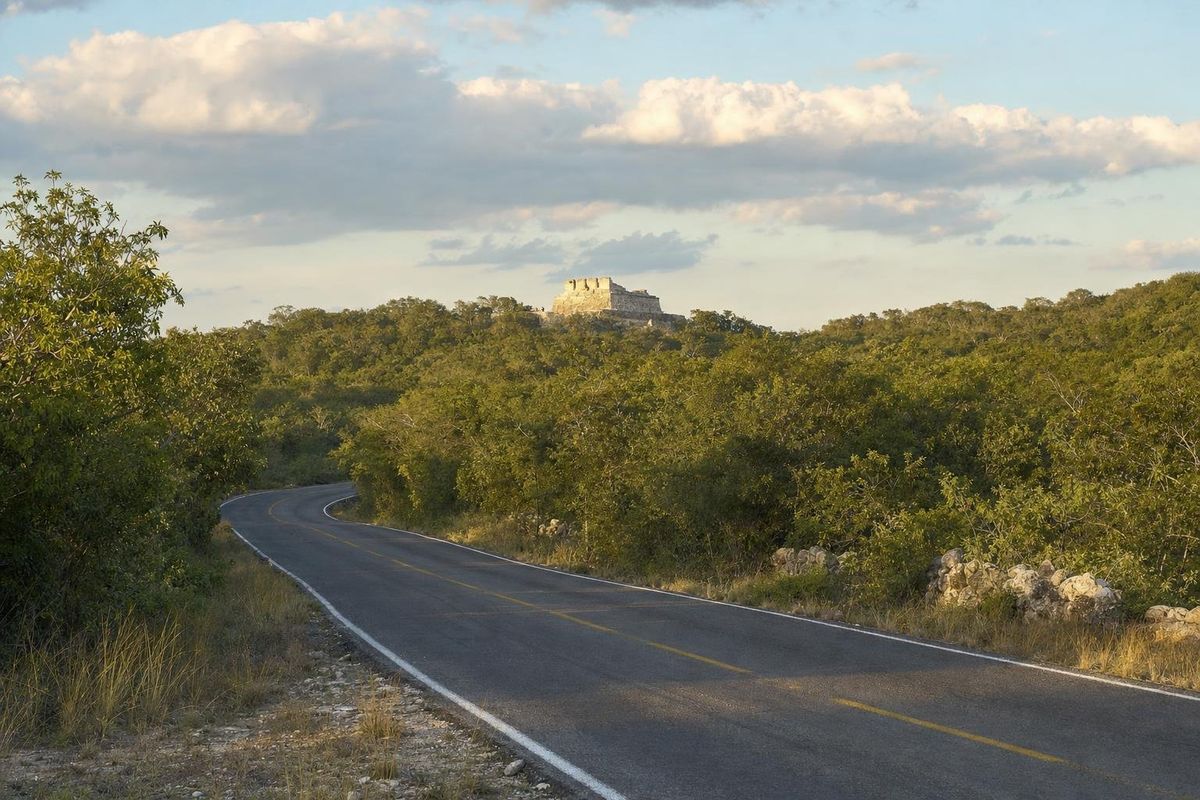
This suggested route covers the Puuc hills of southern Yucatán in four unhurried days by car from Mérida: the early city of Oxkintok, Uxmal and Kabah, the smaller Ruta Puuc sites of Sayil, Xlapak and Labná, the Loltún caves, and the market towns of Oxkutzcab and Maní. Driving distances are short, a couple of hours at most on any day, which leaves the time for the ruins themselves.
Why the Puuc deserves more than a day
The Puuc is a band of low, forested limestone ridges running across the south of Yucatán state, the only real hills in an otherwise flat peninsula. Between about AD 700 and 1000, the deep soils between them supported one of the densest clusters of cities in the Maya world. They were built in a shared style, also called Puuc, recognizable by plain lower walls under richly carved upper friezes of stone mosaic: frets, lattices, columns and stacked masks of the rain god Chaac.
Most visitors see Uxmal on a day trip from Mérida and leave. Taking several days changes the experience. The smaller sites are quiet in the morning, the drives pass through Maya villages with thatched houses and orange groves, and the evenings can be spent in small towns rather than on a highway.
Day by day
| Day | Route | Main stops | Overnight |
|---|---|---|---|
| 1 | Mérida to the Puuc, via Maxcanú | Oxkintok, Calcehtok caves | Santa Elena or near Uxmal |
| 2 | Around Uxmal | Uxmal, Kabah | Santa Elena or near Uxmal |
| 3 | Ruta Puuc to Oxkutzcab | Sayil, Xlapak, Labná, Loltún caves | Oxkutzcab |
| 4 | Oxkutzcab back to Mérida | Oxkutzcab market, Maní, Ticul | Mérida |
Day 1: Oxkintok and the caves of Calcehtok
Leave Mérida early and head southwest on the highway toward Campeche, roughly an hour's drive to Maxcanú. Just south of town, Oxkintok is one of the oldest cities of the Puuc, with a three-level labyrinth building and very few visitors. Nearby, the Calcehtok caves can be explored with local guides. In the afternoon, continue east across the hills toward Muna and on to Santa Elena, a village with a hilltop church a short drive from Uxmal, for the night.
Day 2: Uxmal and Kabah
Uxmal is the largest and best restored of the Puuc cities and deserves a full morning. Its Pyramid of the Magician has an unusual oval base, and the Nunnery Quadrangle and the Governor's Palace carry some of the finest stone mosaic in the Maya world. UNESCO lists the city together with Kabah, Labná and Sayil as the Pre-Hispanic Town of Uxmal. Arrive at opening time to avoid the heat and the crowds.
In the afternoon, drive south to Kabah, about twenty minutes away. Its Codz Poop palace has a facade covered entirely in masks of Chaac, several hundred of them, and a standalone arch marks the start of an ancient causeway that once ran to Uxmal.
Day 3: Sayil, Xlapak, Labná and Loltún
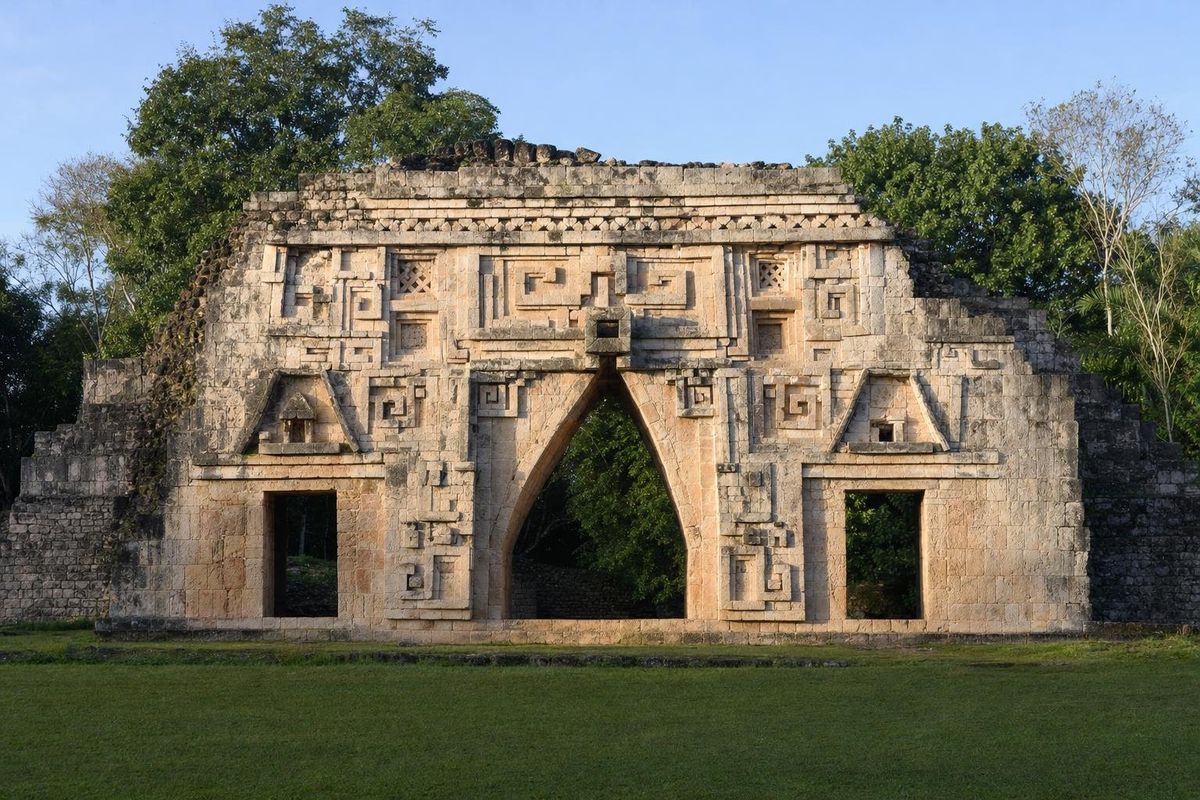
The Ruta Puuc road turns east south of Kabah. Sayil comes first, with its three-story Great Palace and a forest path to El Mirador. Xlapak, a few kilometers on, is a quick stop for one restored palace. Labná has the carved arch that appears on half the postcards of Yucatán, and a long palace with Chaac masks.
Continue east to the Loltún caves for a guided walk underground, past painted handprints and a carved relief at the entrance. A short drive further brings you to Oxkutzcab for the night.
Day 4: Oxkutzcab, Maní and Ticul
Start with the morning market in Oxkutzcab, at its busiest just after dawn. Maní, a short drive north, has a large sixteenth-century Franciscan convent; it was here, in 1562, that the friar Diego de Landa had Maya books and sacred objects burned, one of the great losses of Maya written history. Ticul, on the way back toward Mérida, is known for its pottery workshops and shoemakers. From Ticul, Mérida is about an hour and a half away by road.
The villages in between
The towns on this route are part of the reason to go slowly. Muna sits where the highway climbs into the hills, and from the ridge just south of it the road gives one of the few long views in the state, across the flat green plain to the north. Santa Elena, the usual overnight stop near Uxmal and Kabah, is a small Maya village built around a hilltop church; a modest museum beside the church displays human remains and objects found during its restoration. Along the road east, many villages still have oval thatched houses standing next to concrete ones, and orange and lime trees in almost every yard.
Evenings in these places are quiet. Plazas fill with families after sunset, and small eateries serve Yucatecan staples such as cochinita pibil and panuchos.
Variations
With only two days, combine days 2 and 3 by seeing Uxmal early, then Kabah, Sayil and Labná, ending at Oxkutzcab, and return via Maní. With more time, add Mayapán and Acanceh on the way back to Mérida, or the cenotes of Cuzamá and Homún. Ruins buffs can add Xcalumkín or Edzná in neighboring Campeche, both a little further south.
Driving and practical notes
A rental car is by far the easiest way to do this route. Roads are mostly paved two-lane routes in fair condition, with speed bumps (topes) at the entrance to every village, often unmarked. Driving after dark is best avoided because of unlit roads, animals and cyclists. Fuel stations are found in the larger towns such as Muna, Ticul and Oxkutzcab, but not between the ruins on the Ruta Puuc, so fill up before setting off.
Public transport reaches Santa Elena, Ticul and Oxkutzcab, but buses and colectivos rarely serve the smaller sites. On some weekends, a dedicated Ruta Puuc tour bus has run from Mérida, but schedules and availability change; check in Mérida.
The ruins are managed by INAH. Opening hours and fees change, so confirm them locally. Carry water, a hat, sunscreen and insect repellent at every site; shade is limited and food stops are few. November to March is the most comfortable time, while April and May are very hot and the rainy season from about June to October brings afternoon storms. More routes like this are in the trips section.
Puuc hills trip: common questions
How many days do you need for the Puuc route?
Two days cover Uxmal and the main Ruta Puuc sites. Four days allow Oxkintok, the Loltún caves and the market towns at a relaxed pace.
Can the Ruta Puuc be done without a car?
Partly. Uxmal and the towns have bus and colectivo connections, but the smaller sites are hard to reach without a car or a tour.
Where should you stay in the Puuc?
Santa Elena or the area around Uxmal for the western sites, and Oxkutzcab or Ticul for the eastern end of the route.
Which Puuc site is best if time is short?
Uxmal, for its size and the quality of its restored buildings. Labná is the best second choice for its arch.
When is the best time to drive the Puuc route?
From November to March, when temperatures are lower. Start each day early to see the sites before the midday heat.
Nearby on the map
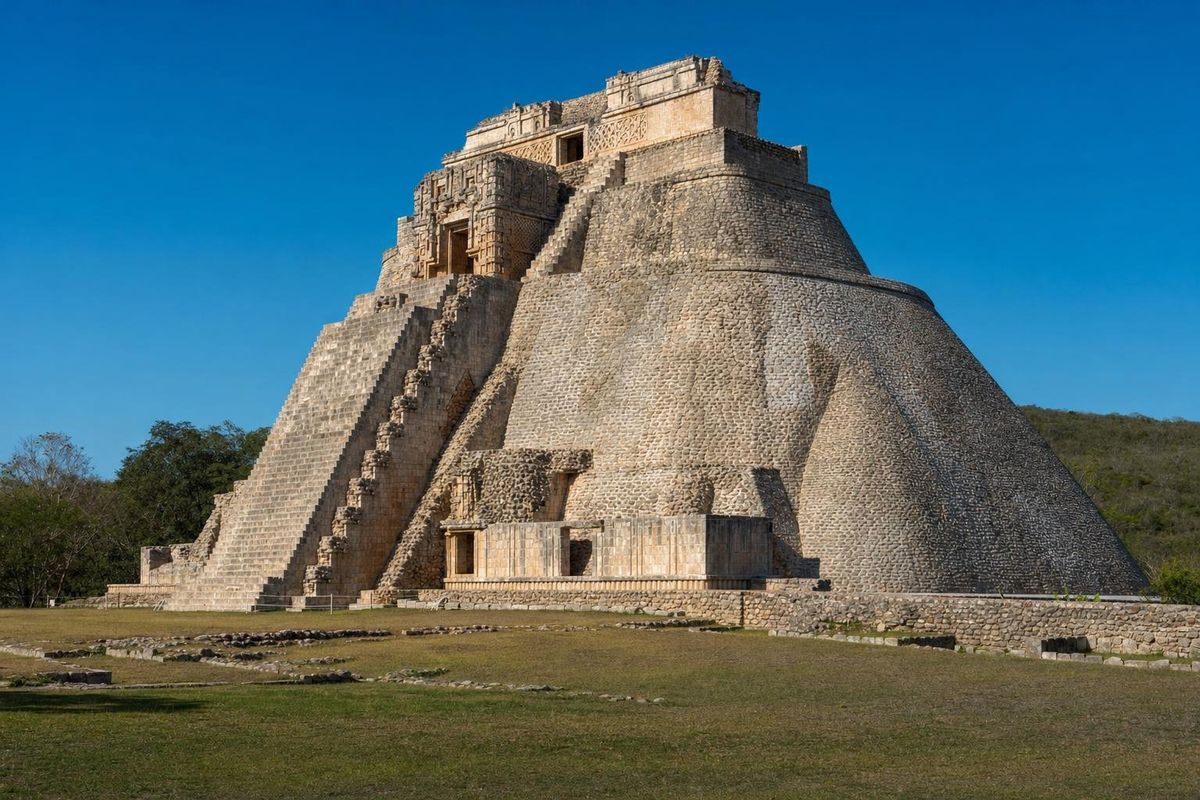
AI-generated image Maya Ruins · Yucatán
Uxmal
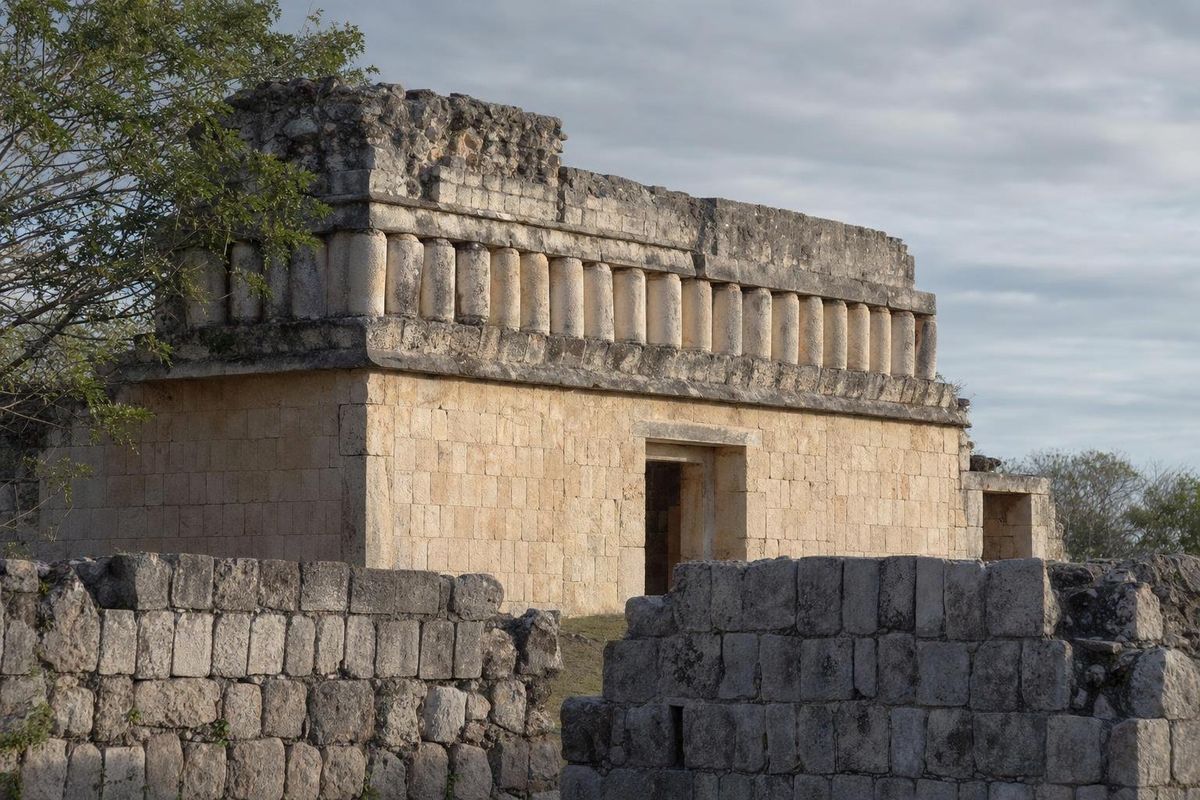
AI-generated image Maya Mysteries · Yucatán
Phallic Cult
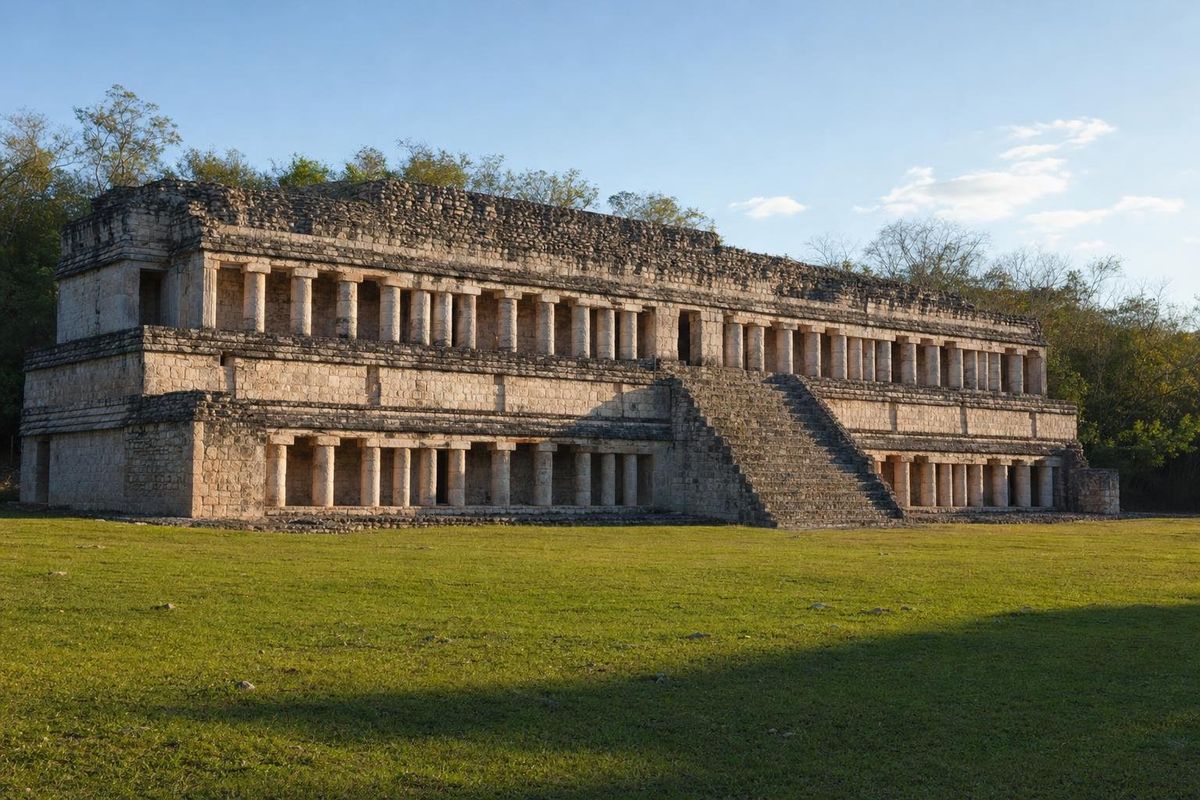
AI-generated image Maya Ruins · Yucatán
Sayil
AI-generated image Maya Ruins · Yucatán
Labná