
−5 m · Shallows · Lakes & Rivers · Yucatán
Laguna Rosada de Xtampú: a Pink Lake Beside Old Maya Salt Pans
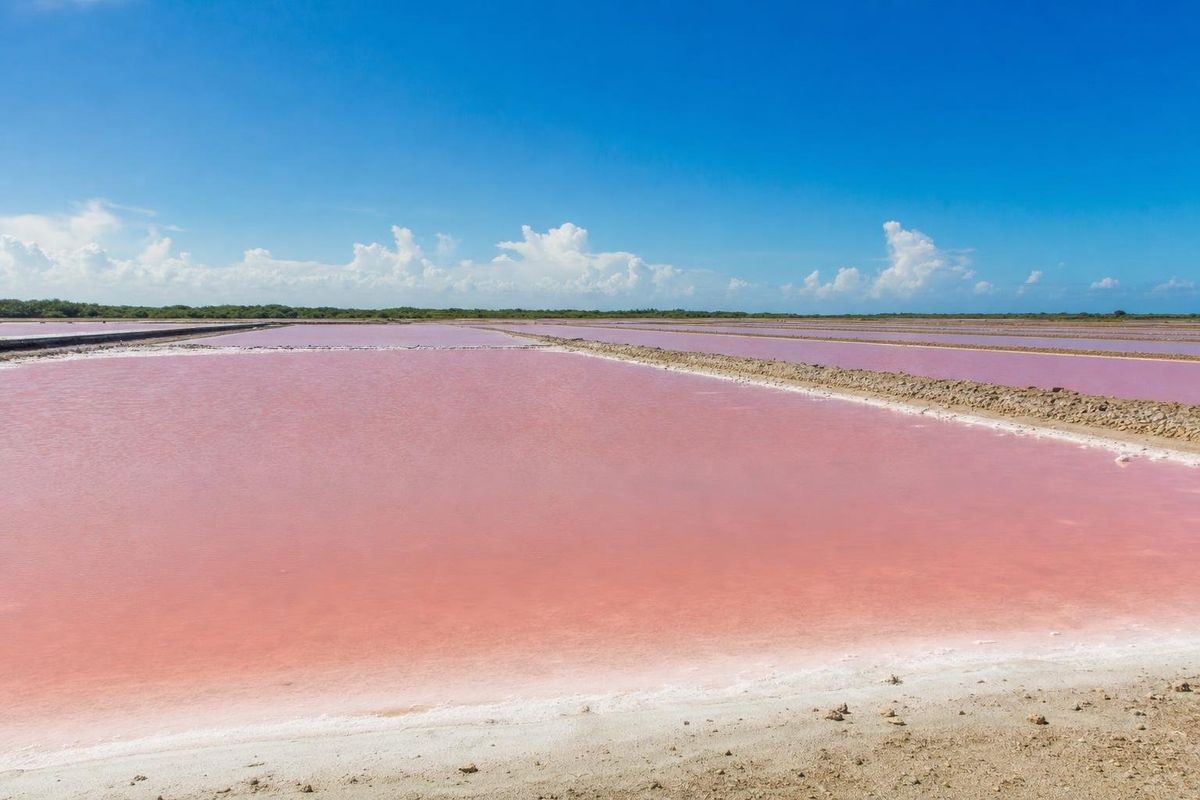
The Laguna Rosada at Xtampú is a set of shallow salt ponds on Yucatán's north coast, in the municipality of Dzemul, that turn a startling pink on bright days in the dry season. It is one of the few places where a pink lake in Mexico can be seen without crowds, and it sits on salt flats that people on this coast have worked since long before the Spanish arrived. Plan on roughly an hour's drive from Mérida.
A pink lake on an old salt coast
Between Progreso and the fishing villages further east, the north coast of Yucatán is a thin strip of beach backed by mangrove, marsh and lagoons. Seawater seeps into those lagoons and evaporates under a hard sun, and in a few spots the brine concentrates enough to leave salt behind. Xtampú is one of them.
Salt from this coast mattered to the ancient Maya. It preserved fish and meat, it was needed in the diet in a hot climate, and it was traded inland and along the coast in large quantities. Archaeologists working on the north coast have traced salt production at several sites along the lagoons, and the salinas around Xtampú belong to that long tradition. Salt has still been gathered here on a small scale in modern times, mostly at the end of the dry months when the ponds are at their saltiest.
So the pink ponds are not a park or an attraction built for photographs. They are a working landscape that happens to be very colorful.
Why the laguna rosada turns pink
The color is biological. In very salty water few organisms survive, but a microalga called Dunaliella salina thrives there and produces large amounts of beta-carotene, a red-orange pigment, to protect itself from intense light. Brine shrimp feed on the algae, and some salt-loving bacteria add their own reddish pigments. When those organisms bloom, the water glows pink.
How pink depends on several things at once:
- Salinity: the saltier the pond, the stronger the color, so it builds through the dry season.
- Sunlight: a high sun on a clear day brings out the pink; under clouds the same pond can look dull mauve or gray.
- Rain: heavy rain dilutes the brine and can wash the color out for weeks.
- Which pond: neighboring ponds at different stages of evaporation can be pink, orange, cream or nearly clear.
The same chemistry feeds the flamingos of the coast. Their pink comes from eating brine shrimp and algae rich in these pigments, which is why the birds are often seen near salt ponds; the big feeding grounds are further west at Celestún.
The ponds also draw birds. Black-necked stilts, sandpipers and other shorebirds pick through the shallow margins, herons hunt along the dikes, and flamingos sometimes drop in to feed, more often in the cooler months. A pair of binoculars turns a ten-minute photo stop into something longer.
Xtampú or Las Coloradas?
The best-known pink lakes in Mexico are at Las Coloradas, near Río Lagartos in the far east of the state, where an industrial salt works produces large, intensely colored ponds. They became famous on social media, and access there is now controlled, with guided visits on set paths and swimming forbidden.
Xtampú is smaller and plainer, with no visitor infrastructure to speak of, but it is much closer to Mérida and far less busy. For a short trip from the city it is the easier choice. If you are already heading east to El Cuyo or Río Lagartos, Las Coloradas is the bigger spectacle. Either way, a pink lake is something to look at, not to swim in.
Getting to Xtampú
The salt flats lie north of the town of Dzemul, between the inland highway and the coast road that links Progreso with Telchac Puerto. From Mérida, the usual route is east on the highway towards Motul and then north through Dzemul towards the coast, or along the coast road east from Progreso. Allow roughly an hour either way. A car makes the trip much simpler, as public transport to the flats themselves is limited.
Signage is modest and the ponds are not fenced like a ticketed site, so look for the salt flats beside the road and pull over where it is safe and clearly not a private or working area. If someone working the salt is present, ask before walking onto the dikes.
The trip pairs well with the colonial town of Motul, a short drive inland, or with the ruins of Dzibilchaltún on the road between Mérida and Progreso.
When to go
The dry season, roughly from late winter to May, gives the best color, as evaporation concentrates the brine. Visit around the middle of the day, when the sun is high; early morning and late afternoon light flatten the pink. After a run of heavy rain, especially during the wet season from about June to October, the ponds can be pale or flooded. Winter cold fronts bring clouds and wind that also mute the color.
Midday on this coast is very hot and almost shadeless, so keep the visit short and carry water.
Practical notes
- Do not swim or wade. The brine irritates skin and eyes, the mud is soft, and walking in the ponds damages the salt crust that people harvest.
- Stay on the edges and established dikes; some areas belong to people who work the salt.
- Drones may disturb birds and are restricted in many coastal areas, so check current rules before flying.
- Bring sunglasses, a hat, sunscreen and water. There are no facilities at the ponds.
- Combine the stop with a beach or seafood lunch in one of the villages along the coast road.
Other lagoons, rivers and waterholes of the region are collected under Lakes & Rivers; Mérida, the natural base for this coast, has its own page on where the city sits and how to use it.
Pink lake questions
Where is the Laguna Rosada of Xtampú?
On the north coast of Yucatán state, north of the town of Dzemul and inland of the coast road between Progreso and Telchac Puerto, roughly an hour by car from Mérida.
Can you swim in the pink lake?
No. The ponds are very salty, shallow and muddy, and wading damages the salt crust. Swimming is also forbidden at Las Coloradas.
Is the water always pink?
No. The color depends on salinity, sunlight and recent rain. It is strongest on sunny days in the dry season and can fade almost entirely after heavy rain.
Are there other pink lakes in Mexico?
Yes. The best known are the salt ponds of Las Coloradas near Río Lagartos in eastern Yucatán. Smaller pink salt ponds appear in several places along the peninsula's north coast.
Is there an entrance fee at Xtampú?
Arrangements at small sites like this change, and local people may ask for a contribution or offer a short guided walk. Check on the spot and respect any request not to enter working areas.
Nearby on the map
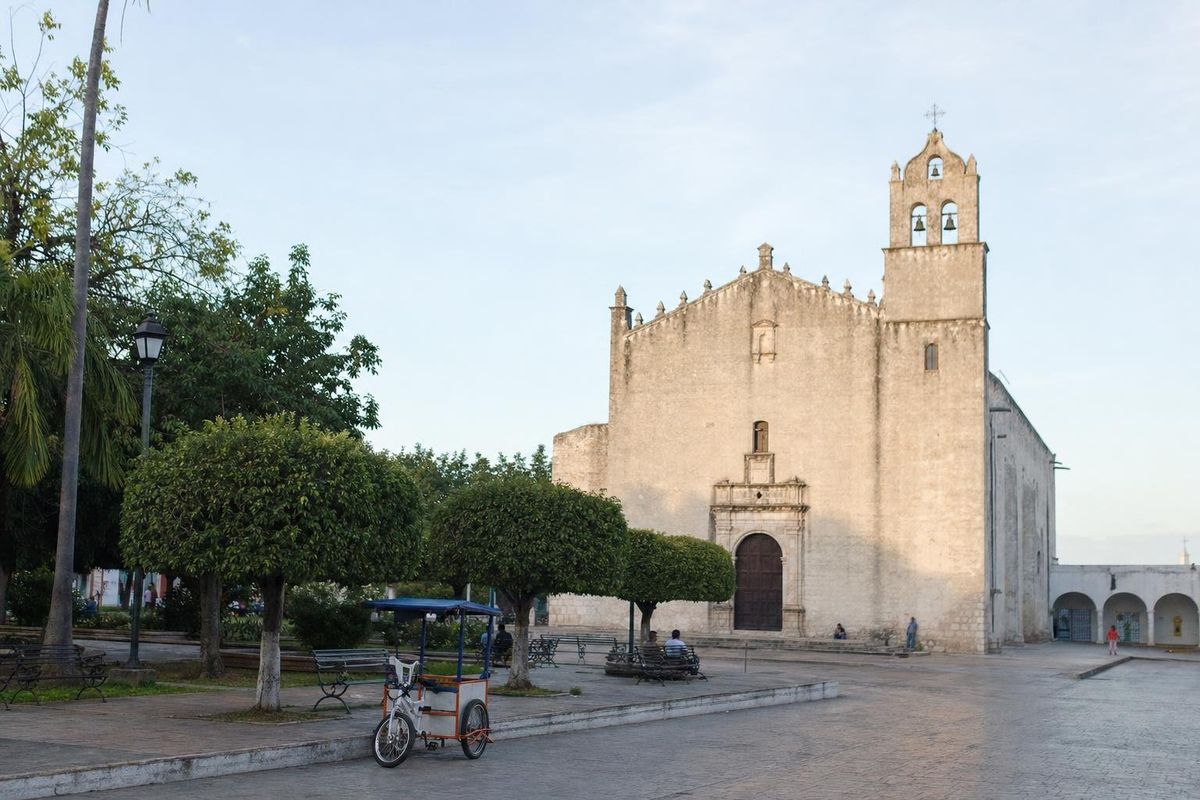
AI-generated image Towns & Villages · Yucatán
Motul
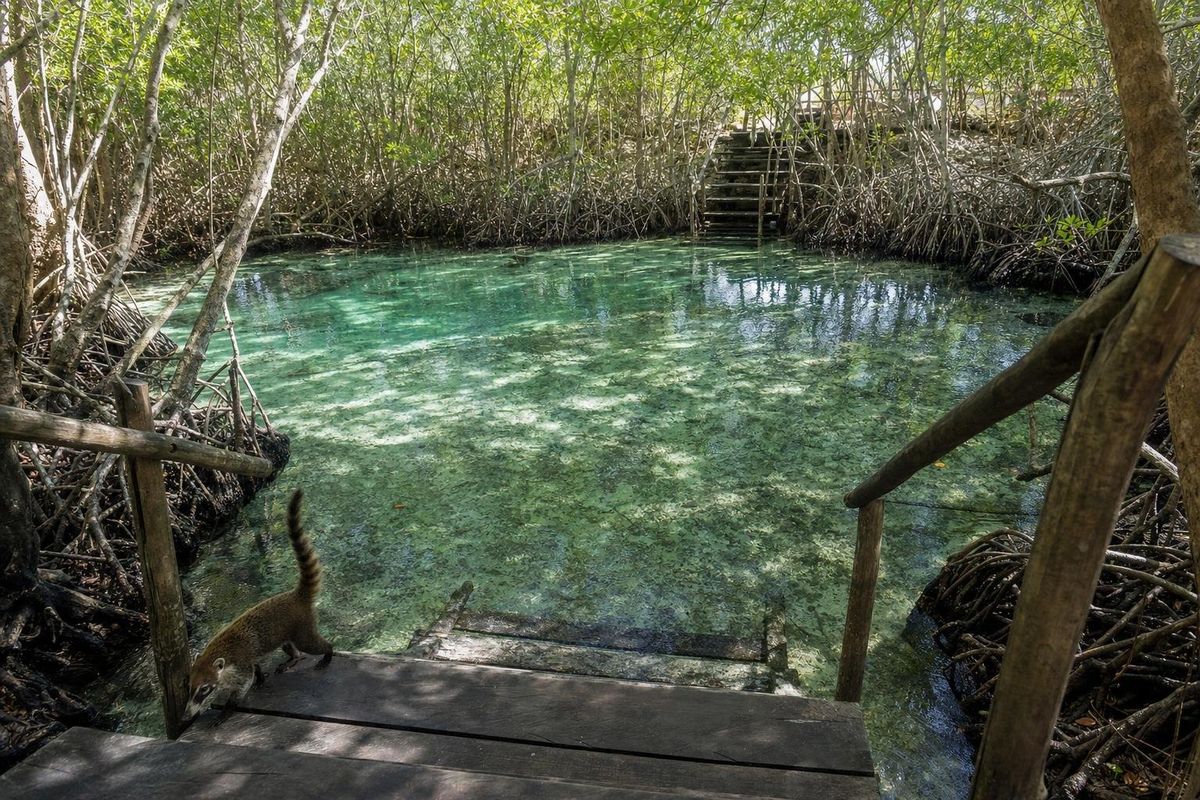
AI-generated image Cenotes · Yucatán
El Corchito
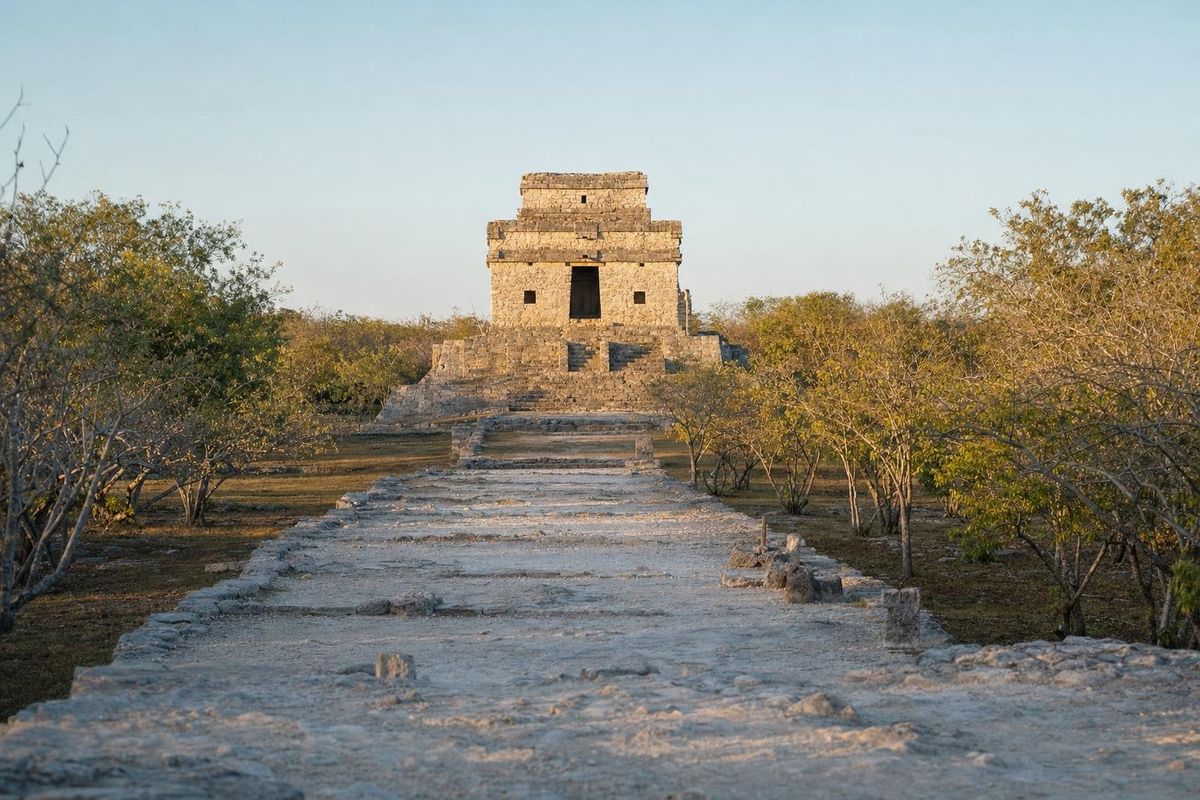
AI-generated image Maya Ruins · Yucatán
Dzibilchaltún
AI-generated image Towns & Villages · Yucatán
Mérida