
0 m · Museums
Museums: Maya Archaeology, Rivera and Kahlo, and the Che Memorial
Museums fill in what the ruins cannot show: the small objects, the painted pottery, the context. Several on this list are also the homes and studios of the people they remember.
Every guide in Museums
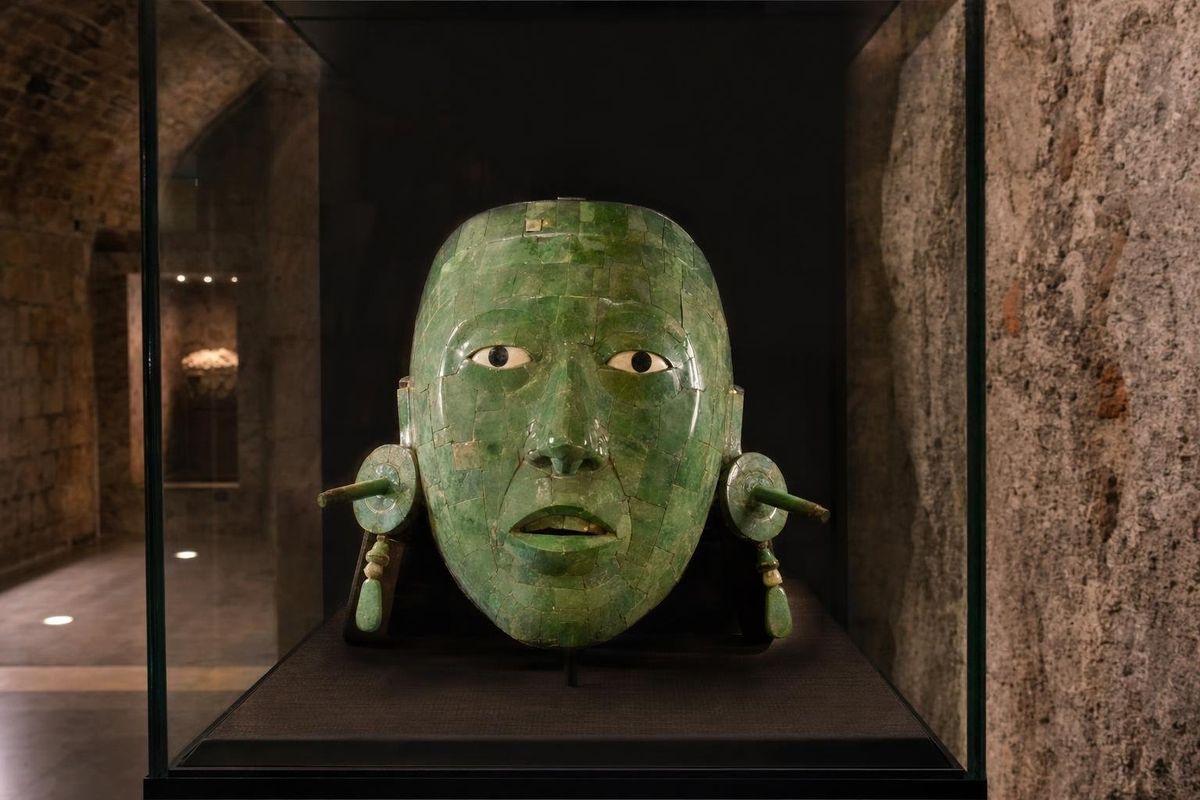
AI-generated image Museums · Campeche
Calakmul museums
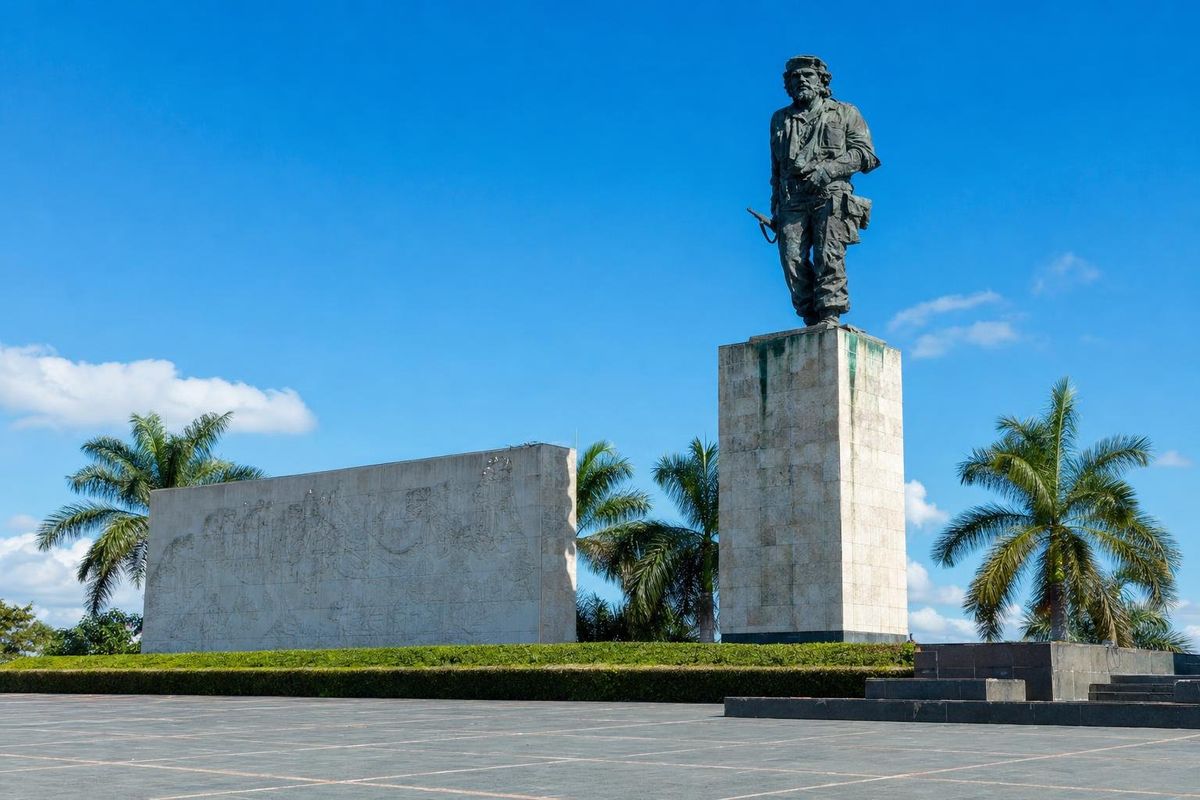
AI-generated image Museums · Cuba
Che Guevara Mausoleum
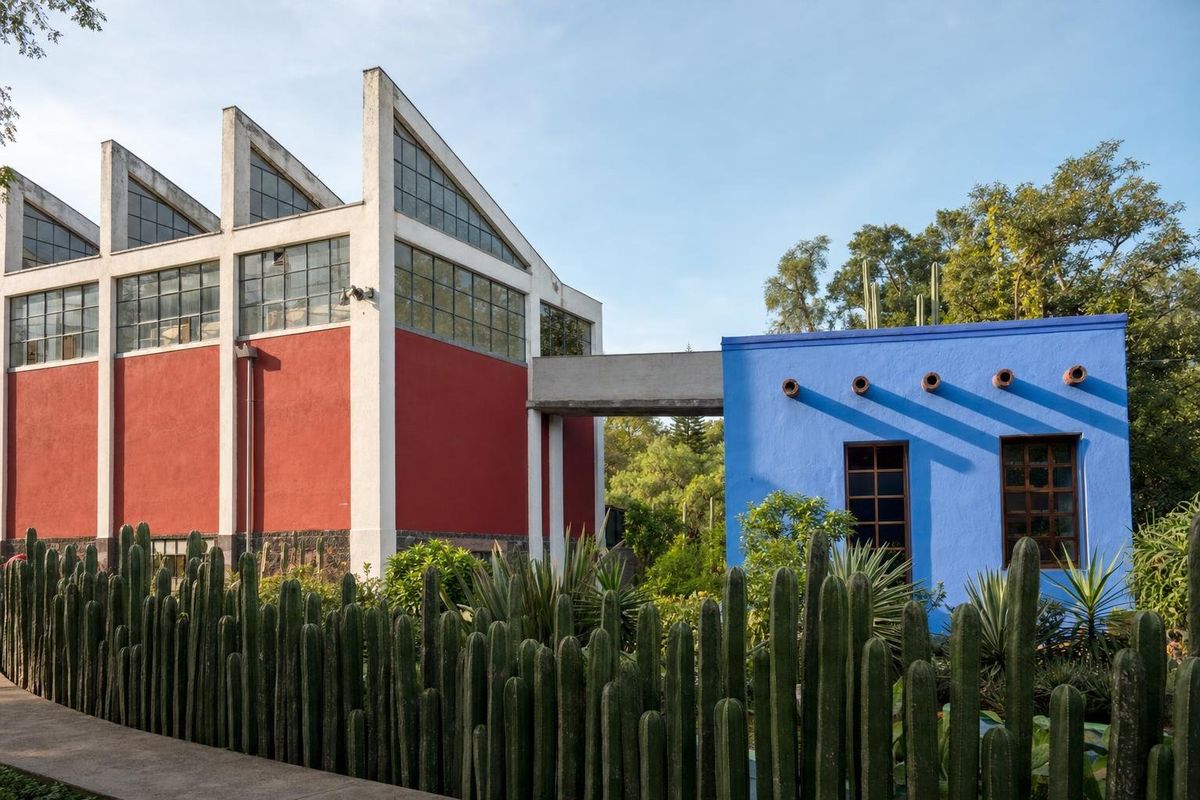
AI-generated image Museums · Mexico City
Diego & Frida Studio-House
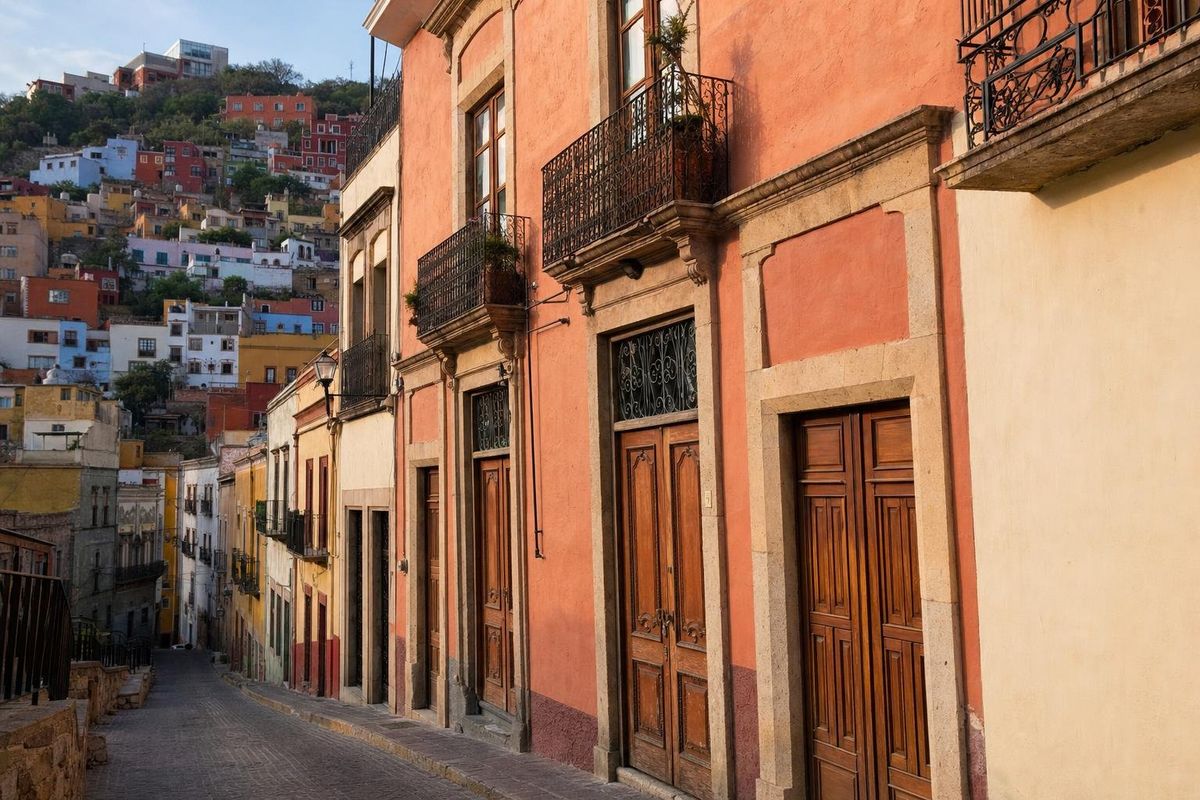
AI-generated image Museums · Guanajuato
Diego Rivera Museum, Guanajuato
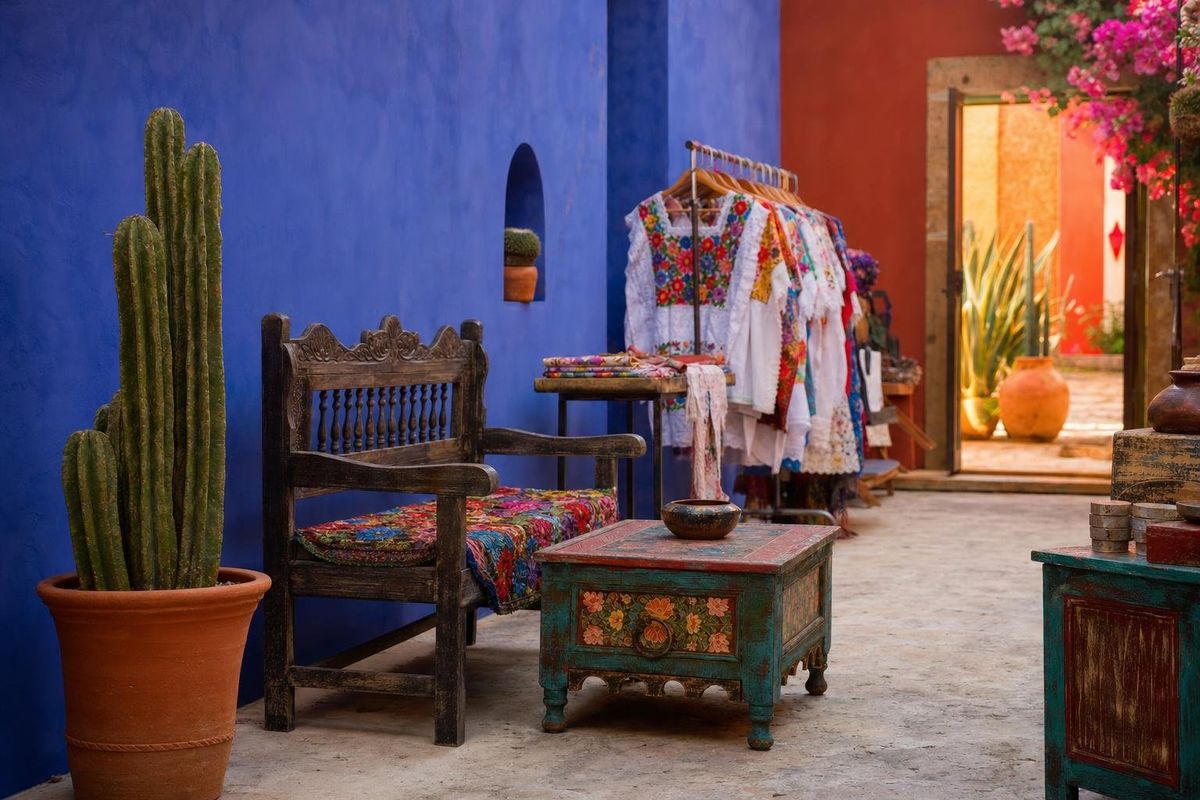
AI-generated image Museums · Quintana Roo
Frida Kahlo Museum
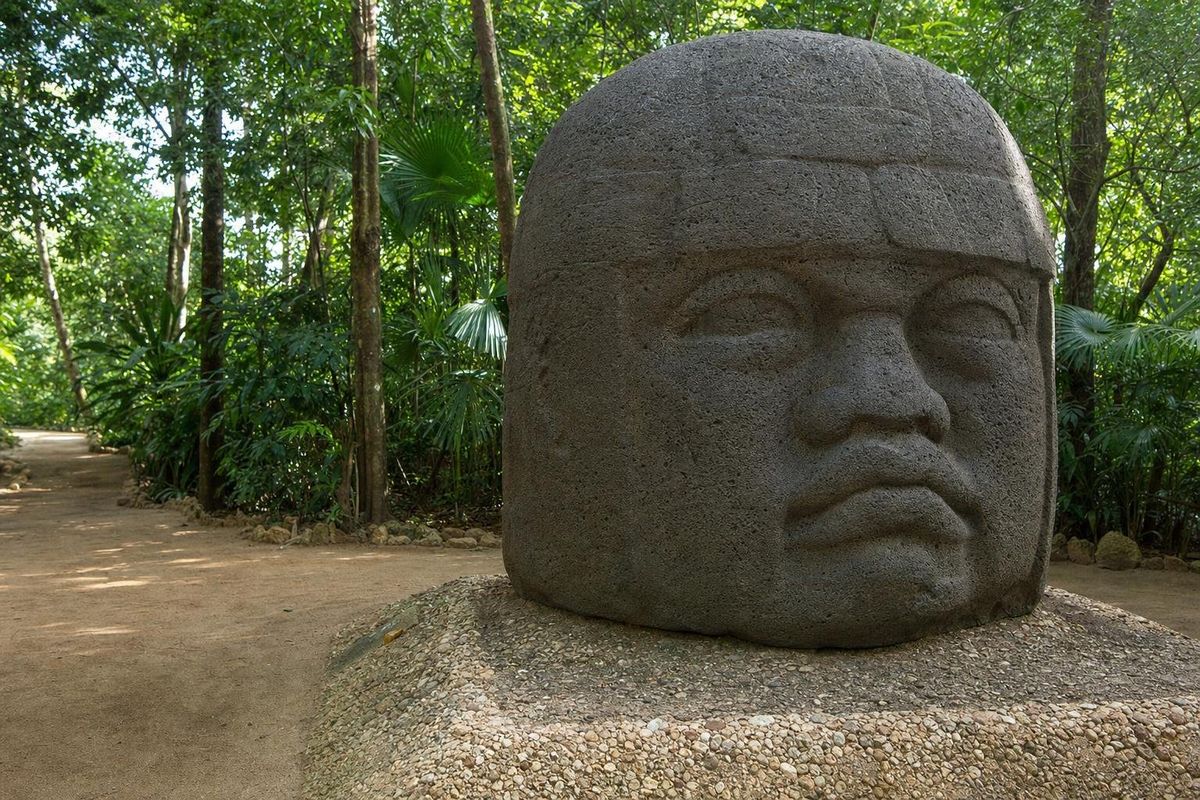
AI-generated image Museums · Tabasco
La Venta
Why visit a museum before the ruins
Most of what made a Maya city legible has left the site. Carved stelae have been moved indoors to protect them, painted ceramics and jade jewelry came out of tombs, and the murals that survived are often too fragile to show in place. A morning in a museum before a day at the ruins makes the stones easier to read: the glyph for a ruler's name, the costume of a ballplayer, the shape of a god's headdress.
Many archaeological zones run by INAH, Mexico's national institute of anthropology and history, have a small site museum near the entrance. These are easy to skip and usually worth the twenty minutes. Labels in the larger museums are often in Spanish, English and sometimes Maya; smaller ones may have Spanish only.
Maya collections on the peninsula
Mérida has the largest collections. The Gran Museo del Mundo Maya, opened in 2012 on the city's northern edge, covers Maya history from the earliest settlement to the present, including the living culture, with objects from Chichén Itzá and other northern sites. The Palacio Cantón on Paseo de Montejo, a mansion from the henequen era, houses the regional anthropology museum. Campeche keeps jade masks and other finds from Calakmul in the fort of San Miguel, outside the old walled city.
In the forest itself, a museum near the road into the Calakmul reserve combines natural history with archaeology, described on the Calakmul museum page. It is a useful stop for context before the long drive in to the ruins.
Houses of artists
A few museums on this site belong to another story: twentieth-century Mexico and the painters who reworked its ancient past into murals. In Mexico City, the studio houses of Diego Rivera and Frida Kahlo in San Ángel were designed by the architect Juan O'Gorman in the early 1930s, two functionalist blocks joined by a bridge at roof level. In Guanajuato, the house where Rivera was born in 1886 is now the Diego Rivera museum, with early works and sketches. Together they trace how Rivera moved from European training to the public murals of pre-Hispanic and revolutionary Mexico, the same murals that shaped how many visitors still picture the Maya and Aztec past. Kahlo's own house, the Blue House in Coyoacán, is a separate museum not far away.
A memorial in Cuba
The Che Guevara mausoleum in Santa Clara marks the city where Guevara's column won a decisive battle in the last days of 1958. A large bronze statue stands over a memorial and a small museum; since 1997 his remains and those of comrades killed in Bolivia have rested there. Photography rules inside the memorial are strict.
Opening days and hours for all of these change, and many museums in Mexico close one day a week, often Monday. Check before going.
More museums in Chiapas and Quintana Roo
San Cristóbal de las Casas has a cluster of small museums: Na Bolom, the former house of archaeologist Frans Blom and photographer Gertrude Duby-Blom, with its collection on the Lacandón Maya; a museum of Maya medicine run by traditional healers; and a textile center showing the dress of the highland villages. In Oaxaca city, the Museo Rufino Tamayo shows the painter's own collection of pre-Hispanic pieces, and the Casa de Juárez is the house where Benito Juárez lived as a young man. In Cancún, the Maya Museum in the hotel zone holds finds from Quintana Roo and stands beside the San Miguelito ruins. In Chetumal, the Museo de la Cultura Maya explains the Maya world with models and replicas, a useful stop before visiting the southern ruins.
Questions about museums
Which museum is best for Maya history in Yucatán?
The Gran Museo del Mundo Maya in Mérida has the broadest overview, from ancient cities to present-day Maya communities.
Are museums open on Mondays in Mexico?
Many state and federal museums close on Mondays, but not all. Check the current schedule before visiting.
Who designed the Rivera and Kahlo studio houses?
Juan O'Gorman, a painter and architect, designed them in the early 1930s in a functionalist style that was radical for Mexico City at the time.
Is the Che Guevara mausoleum open to visitors?
Yes, as a memorial with a museum. Bags and cameras are usually restricted inside, and the rules are enforced.