
0 m · Surface · Trips · Central Mexico
Around Mexico City: 10 Days of Colonial Towns, Pyramids, Volcanoes
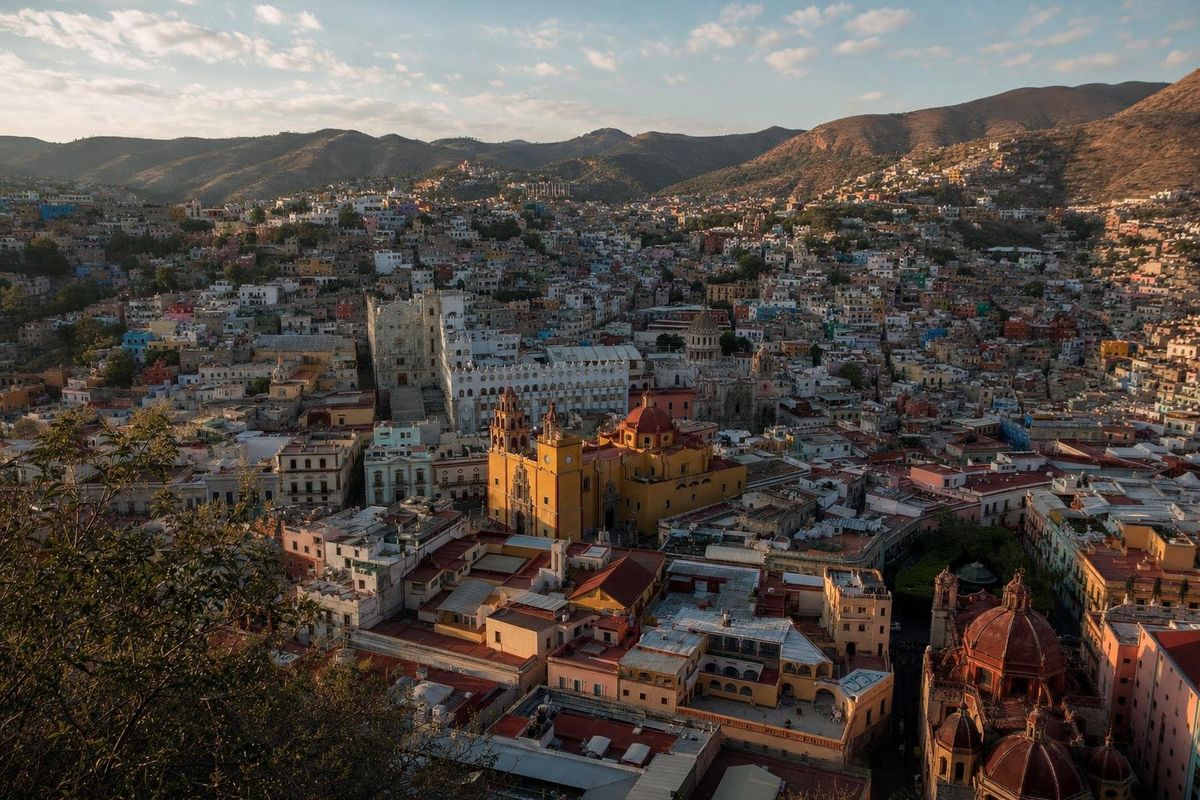
This ten-day route uses Mexico City as a hub for two loops: north to Querétaro, San Miguel de Allende and Guanajuato, then south and east to Puebla, Cholula and Cuernavaca, with a day at the pyramids of Teotihuacán to start. Daily travel stays mostly between one and three hours, and five of the stops, the pyramids included, are UNESCO World Heritage Sites. The loops are independent, so either half works on its own as a five-day trip.
How the route works
Central Mexico has some of the best long-distance bus services in Latin America, with frequent first-class coaches between all the towns on this route, which makes it easy to travel without a car. The catch is Mexico City itself: the capital has four main bus terminals, one for each direction, and getting to them through traffic takes time. Buses north leave from the Terminal Central del Norte, buses to Puebla from the TAPO terminal in the east, and buses to Cuernavaca from the Terminal del Sur at Taxqueña. A rental car gives more freedom for the volcano road and small detours, but city driving and parking in the colonial centres are stressful.
The northern towns sit on the high plateau at roughly 1,800 to 2,000 metres, so days are warm and nights cool. Late October to April is the driest stretch. From about June to September afternoon storms are common, though mornings are often clear.
Day by day
| Day | Route | Travel time | Highlights |
|---|---|---|---|
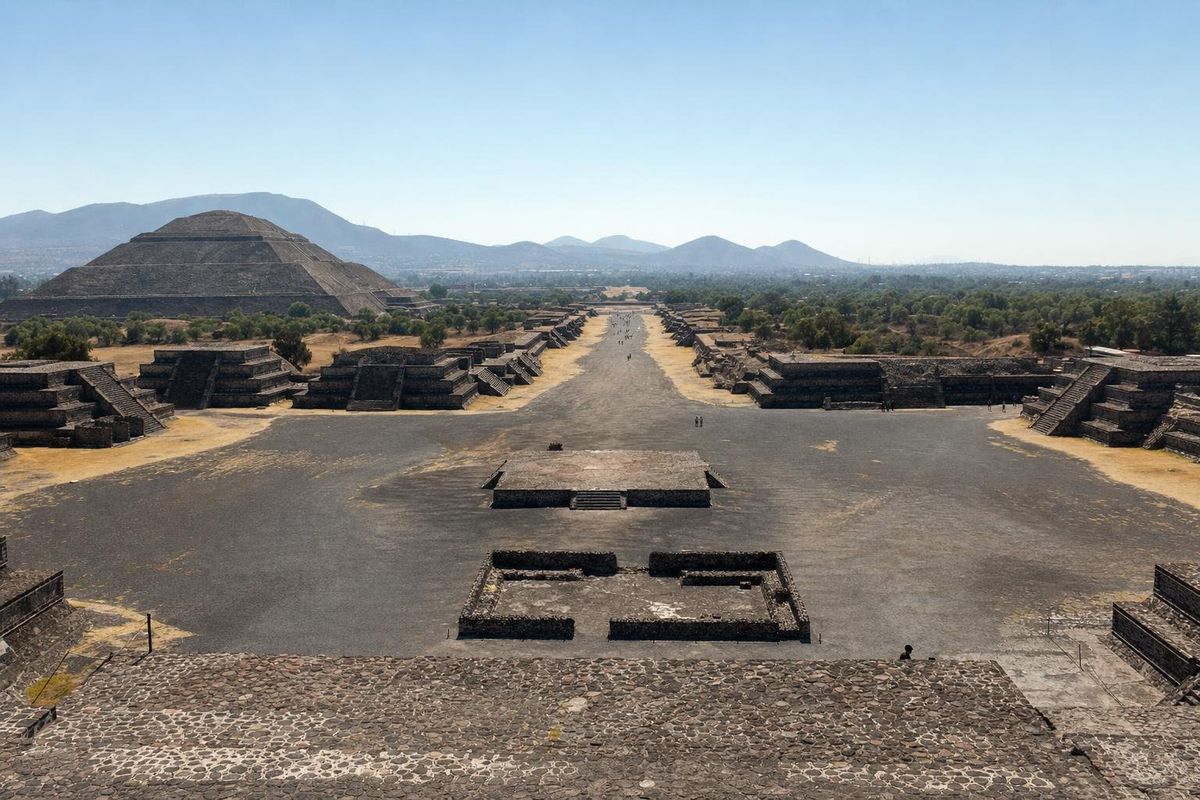
| 1 | Mexico City to Teotihuacán and back | About 1 hour each way | Pyramids of the Sun and Moon, Avenue of the Dead, murals |
| 2 | Mexico City to Querétaro | About 3 hours | Aqueduct, Plaza de Armas, evening in the historic centre |
| 3 | Querétaro to San Miguel de Allende | About 1 hour | Parroquia, Oratorio de San Felipe Neri, hillside lanes |
| 4 | San Miguel de Allende | Local trips | Sanctuary of Atotonilco, hot springs |
| 5 | San Miguel de Allende to Guanajuato | About 1.5 hours | Underground streets, university steps |
| 6 | Guanajuato | On foot | Diego Rivera's birthplace, Alhóndiga, Mummy Museum |
| 7 | Guanajuato to Mexico City | About 5 hours | Travel day, evening in the capital |
| 8 | Mexico City to Puebla | About 2 hours, longer via the volcano pass | Popocatépetl and Iztaccíhuatl, Puebla's centre |
| 9 | Puebla and Cholula | About 30 minutes each way | Capilla del Rosario, Talavera workshops, Great Pyramid of Cholula |
| 10 | Puebla to Cuernavaca, then Mexico City | About 3 hours, then 1.5 hours | Palace of Cortés and its Rivera mural, Borda Garden |
Day 1: Teotihuacán
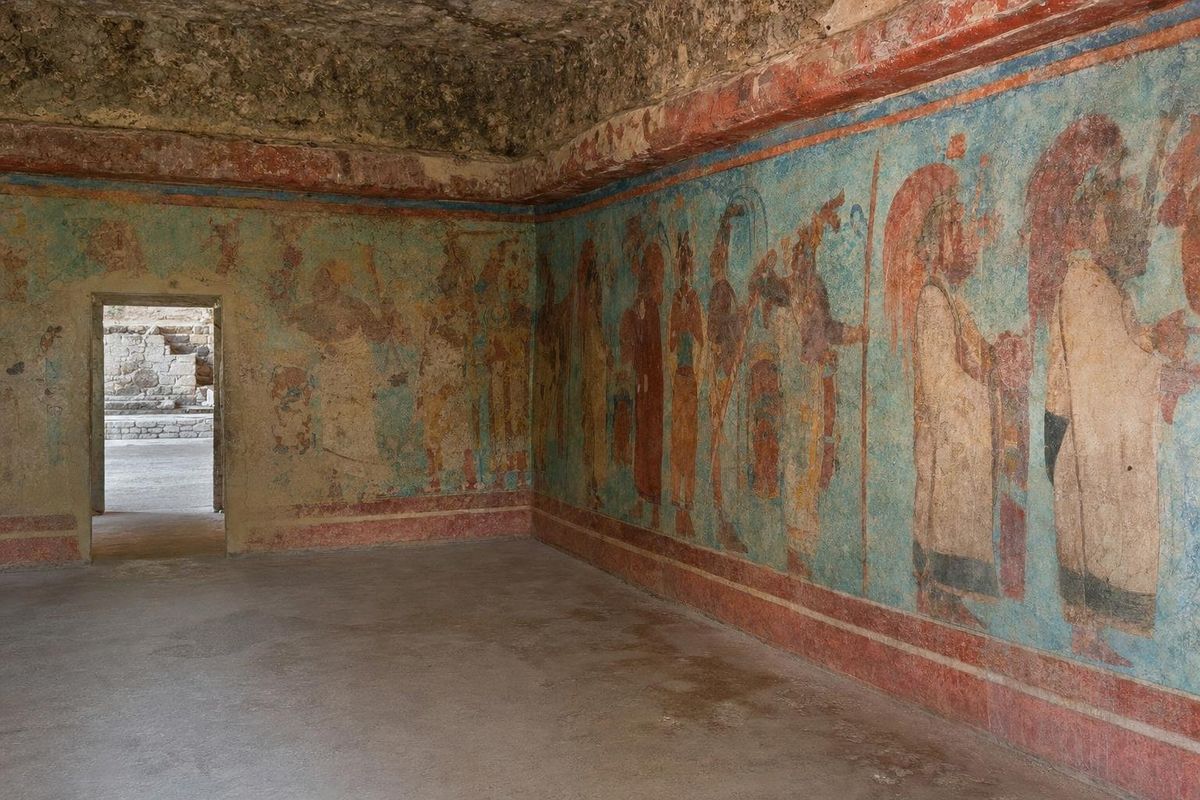
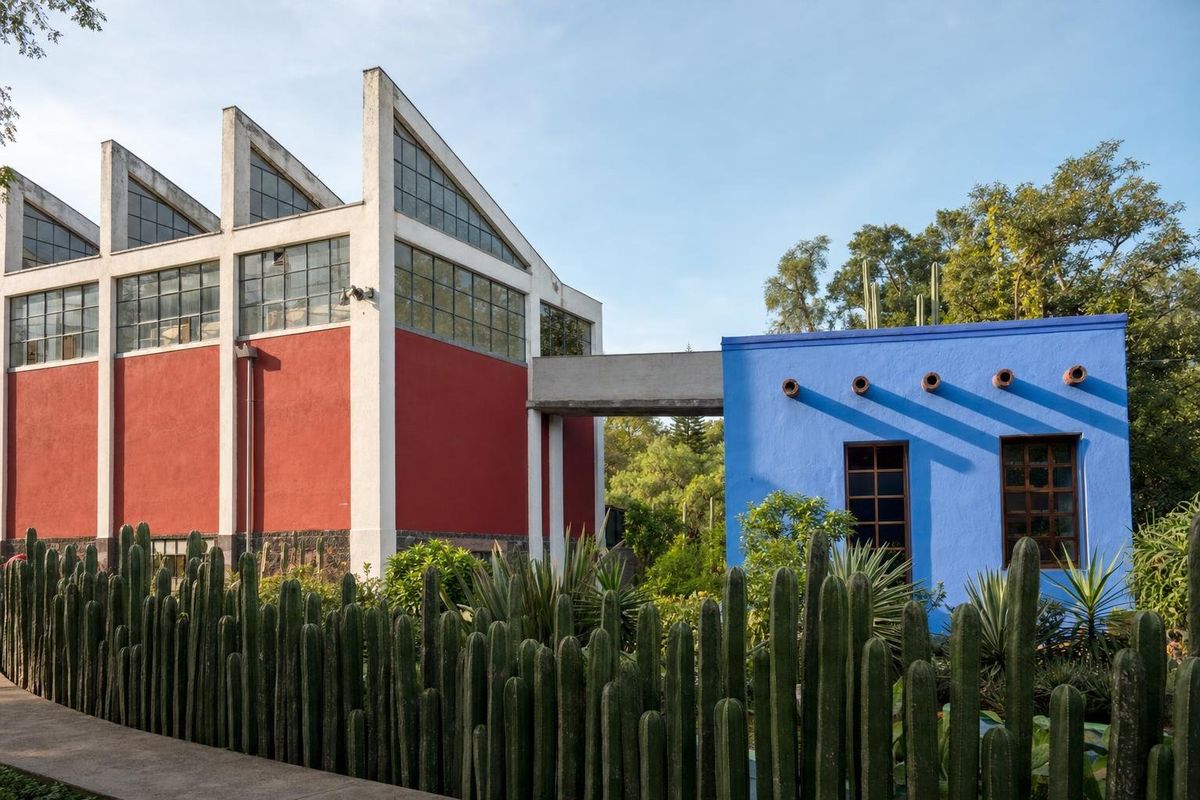
Start early and go straight to the pyramids, about an hour northeast of the city. The site is huge and shadeless, and the morning hours before the crowds are the best. The Teotihuacán guide covers the layout, the Avenue of the Dead and the question of who built the city. Back in the capital, the evening is free; the Rivera murals and the studio-house of Diego Rivera and Frida Kahlo in San Ángel are good extra days at the end of the trip.
Days 2 to 7: the northern silver towns
Querétaro
Querétaro is often skipped, which is a mistake. Its historic centre of plazas, convents and pale stone mansions is a World Heritage Site, and an 18th-century aqueduct on tall arches crosses the eastern edge of town. Mexico's current constitution was drafted here in 1917, and Emperor Maximilian was executed on a hill on the city's edge in 1867. Wineries in the surrounding valleys make a possible half-day extension.
San Miguel de Allende
San Miguel's pink stone parish church, its neo-Gothic facade added in the late 19th century by a local stonemason, is the town's emblem. The town has drawn foreign artists and residents since the mid-20th century, which shows in its galleries and prices. Spend the second day at the Sanctuary of Atotonilco, a short drive away, whose interior is covered in 18th-century murals; it shares the World Heritage listing with the town. Several thermal pools lie along the same road.
Guanajuato
Guanajuato grew rich on silver, and in the 18th century its mines were among the most productive in the world. It fills a narrow ravine, with houses painted every colour climbing the slopes and roads running through tunnels under the centre. The house where Diego Rivera was born is now a museum of his early work. The Alhóndiga de Granaditas, a fortress-like granary, saw one of the first battles of the War of Independence in 1810. The Mummy Museum, with bodies preserved naturally in the town cemetery, is not for everyone. In the evening, student minstrels lead singing walks through the alleys. Day 7 is the long ride back to the capital.
Days 8 to 10: volcanoes, Puebla and Cuernavaca
Paso de Cortés and Puebla
The road over the Paso de Cortés, the saddle between Popocatépetl and Iztaccíhuatl at around 3,600 metres, follows roughly the route Cortés took toward Tenochtitlan in 1519. Popocatépetl, about 5,400 metres high, has been active since 1994, and access to the pass and the national park depends on the volcanic alert level, so check before going. Otherwise the highway to Puebla offers views of both peaks on clear mornings.
Puebla's historic centre is another World Heritage Site, known for its tiled facades, its cathedral and the gilded Capilla del Rosario in the church of Santo Domingo. The city gave its name to mole poblano and still produces Talavera pottery in a few traditional workshops.
Cholula
Next door, Cholula hides what is often called the largest pyramid in the world by volume, beneath a grassy hill topped by a colonial church. Tunnels dug by archaeologists run through part of it, and the site museum explains its building phases.
Cuernavaca
Cuernavaca, known as the city of eternal spring, has been a retreat for the capital's elite since colonial times. Cortés built a palace here; it is now a museum, and its upper gallery carries a Rivera mural of the conquest and the history of the state of Morelos. The Borda Garden, an 18th-century pleasure garden later used by Maximilian, and the Robert Brady Museum, the house of an American collector filled with art and crafts from around the world, round out the day before the short drive back to Mexico City.
Practical notes for the route
Book first-class buses a day ahead around weekends and holidays. Altitude can tire visitors for the first day or two; drink water and go easy on alcohol. In the colonial towns, keep an eye on cobbles and steep steps. Bus fares, museum days and the status of the volcano pass change, so check them locally. More itineraries are listed under trips, including routes in Veracruz, where the colonial story begins at La Antigua.
On the way into Puebla from the volcanoes, the dome of the church on top of Cholula's pyramid is visible from the highway long before the city appears.
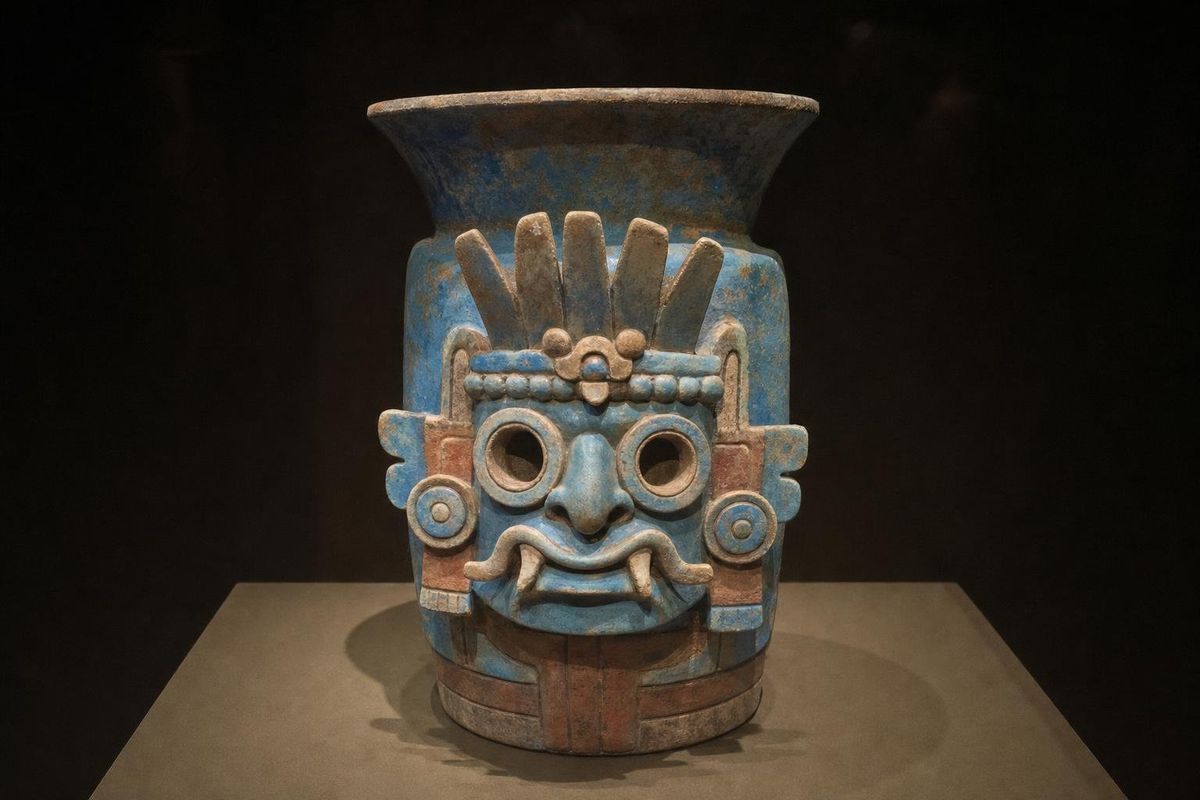
Before or after the loop, the National Museum of Anthropology in Chapultepec Park is the best single introduction to everything on the route: its halls cover Teotihuacán, the Aztecs, the Maya, the Olmec and the living peoples of Mexico.
Questions about the trip around Mexico City
Can this route be done without a car?
Yes. First-class buses link every stop. Only the Paso de Cortés detour is much easier with a car or a hired driver.
Which half is better if time is short?
The northern loop of Querétaro, San Miguel de Allende and Guanajuato is the stronger choice for colonial towns. The southern loop suits travellers who want volcanoes, Puebla's food and Cholula's pyramid.
Can Teotihuacán be visited on the way north?
It is possible with a car, since the site lies northeast of the city. By bus it is simpler as a day trip from the capital.
When is the best time to go?
Roughly late October to April, the dry season. Summer brings afternoon storms but greener landscapes.
Is it safe to visit Popocatépetl?
Only within the limits set by the authorities. The volcano is active, and access to the Paso de Cortés and the park depends on the current alert level.
Nearby on the map
AI-generated image Maya Mysteries · Mexico City
Dress and Ahuianime
AI-generated image Museums · Mexico City
Diego & Frida Studio-House
AI-generated image Maya Mysteries · Estado de México
Goggles
AI-generated image Maya Ruins · State of Mexico
Teotihuacán