
−5 m · Shallows · Islands · Quintana Roo
Isla Contoy: the Protected Bird Island North of Cancun
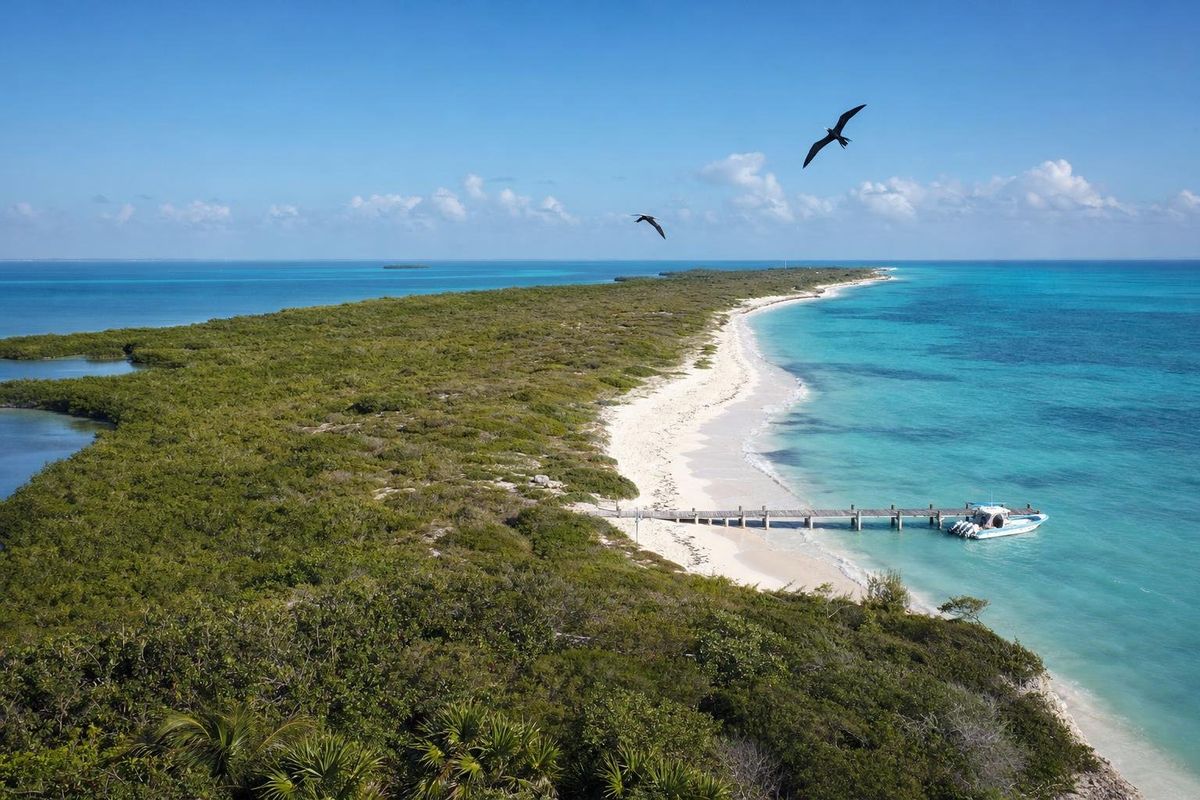
Isla Contoy is a narrow, uninhabited island about 30 kilometres north of Isla Mujeres, off the northeastern corner of the Yucatán peninsula. It is a national park and one of the most important seabird nesting sites in the Mexican Caribbean, and visitors may only land on licensed day tours from Cancun or Isla Mujeres, with a cap of roughly two hundred people a day. Most of the island is closed to the public; the small part that is open has a beach, short trails, a watchtower and a visitor centre.
A strip of sand, mangrove and birds
Contoy is long and very thin: about eight to nine kilometres from end to end and in places only a few dozen metres wide. The western, lagoon-facing side is low and sheltered, with mangrove and small inland lagoons; the eastern side faces the open Caribbean with dunes and rocky stretches. There are no roads, no towns and no permanent residents apart from park staff and visiting researchers.
Its value lies in the birds. More than 150 species have been recorded on and around the island, a mix of residents, seabirds and migrants that stop here while crossing between North America and the tropics. The most conspicuous are the nesting seabirds: brown pelicans, double-crested cormorants and magnificent frigatebirds, whose males inflate a red throat pouch during the breeding season. Herons, egrets and other wading birds work the lagoons, and ospreys fish along the shore.
The beaches are also nesting grounds for sea turtles. Loggerheads, green turtles and hawksbills come ashore in the summer months, roughly May to October. The surrounding waters are rich enough to attract rays, and the reef that runs along the island's southern end is part of the Mesoamerican Reef system.
From bird refuge to national park
The island was first protected as a bird refuge in the early 1960s, among the earliest such designations in Mexico, and it became a national park in 1998. Today it is run by Mexico's protected areas commission, CONANP, together with Amigos de Isla Contoy, a conservation group based on Isla Mujeres. The visitor cap, the ban on overnight stays and the rule that only licensed boats may land are all part of the management plan.
Fishing boats from Isla Mujeres and the mainland used the island as a shelter long before it was protected, and Maya canoes travelling around the tip of the peninsula almost certainly did the same. The origin of the name Contoy is uncertain.
How an Isla Contoy tour works
Because access is controlled, the only practical way for most travellers to visit is a licensed tour. Boats leave from Cancun (usually from the northern piers near Punta Sam or the hotel zone marinas) and from Isla Mujeres. Only a limited number of companies hold permits, and prices, inclusions and departure points change, so check with the operator and confirm that it holds a park permit before booking. Owners of private boats need prior authorisation from the park.
Most tours follow a similar pattern:
- The crossing. The ride north takes roughly an hour or more, depending on the departure point and the sea.
- A snorkeling stop. Many tours stop at the Ixlaché reef near the island's southern tip, conditions permitting. On rough days the stop may be moved somewhere more sheltered or dropped.
- Time on the island. Boats land at the pier on the western side, and visitors have a few hours to walk the trails, climb the tower, visit the small museum and swim from the beach. Lunch is usually prepared by the crew on the beach.
- A stop on Isla Mujeres. Many trips stop at Isla Mujeres on the way back, giving an hour or so in town or at Playa Norte.
What to see on the island
The watchtower
A wooden observation tower near the landing gives the best view of the island's shape: sand and mangrove stretching north, with turquoise water on one side and deep blue on the other. Frigatebirds often glide at eye level.
The visitor centre
A small museum explains the island's ecology, its birds, turtles and reef, with skeletons, shells and other specimens. The building also serves as a base for park staff and visiting researchers.
The trails and lagoons
Short sandy trails with interpretive signs lead from the landing toward an inland lagoon and across the island to the eastern beach. Hermit crabs scuttle everywhere underfoot, and keen eyes can spot iguanas in the scrub. The rest of the island, including the main nesting colonies, is off limits.
When to go
Tours run all year when the sea allows, but the weather decides. Winter cold fronts from the north, common from November to February, can make the crossing rough and lead to cancellations. Spring tends to bring calmer water and good visibility. Summer and early autumn are hot, with more chance of storms, and the hurricane season runs from June to November. The seabird breeding season peaks in the first half of the year, and the turtle nesting season in summer.
Rules and practical notes
- Use only biodegradable sunscreen, or cover up instead: the island's waters are a protected reef area.
- Stay on the marked trails and out of closed areas.
- Do not take shells, sand, coral or plants, and do not feed or approach the birds.
- Bring a hat, water, binoculars if you have them, and a dry bag for the boat.
- Carry all your rubbish back to the boat. Single-use plastic is discouraged on the island.
For other islands in the region, from Isla Cerritos to the larger inhabited ones, see the islands section.
Isla Contoy: questions before booking
Can you visit Isla Contoy on your own?
Not without a permit. Visitors land on licensed day tours; owners of private boats need prior authorisation from the park.
How many people can visit Isla Contoy each day?
The number of daily visitors is capped at roughly two hundred, which is why tours can sell out in busy seasons.
Can you stay overnight on Isla Contoy?
No. Visits are day trips only; overnight stays are limited to park staff and researchers.
Where do Isla Contoy tours leave from?
From Cancun, usually the northern piers or the hotel zone marinas, and from Isla Mujeres. Departure points and schedules vary by operator.
What birds can you see on Isla Contoy?
Magnificent frigatebirds, brown pelicans and double-crested cormorants nest there, along with herons, egrets, ospreys and many migrant species.
Is snorkeling included on Isla Contoy tours?
Most tours include a snorkeling stop, often at the Ixlaché reef near the island's southern tip, when sea conditions allow.
Nearby on the map
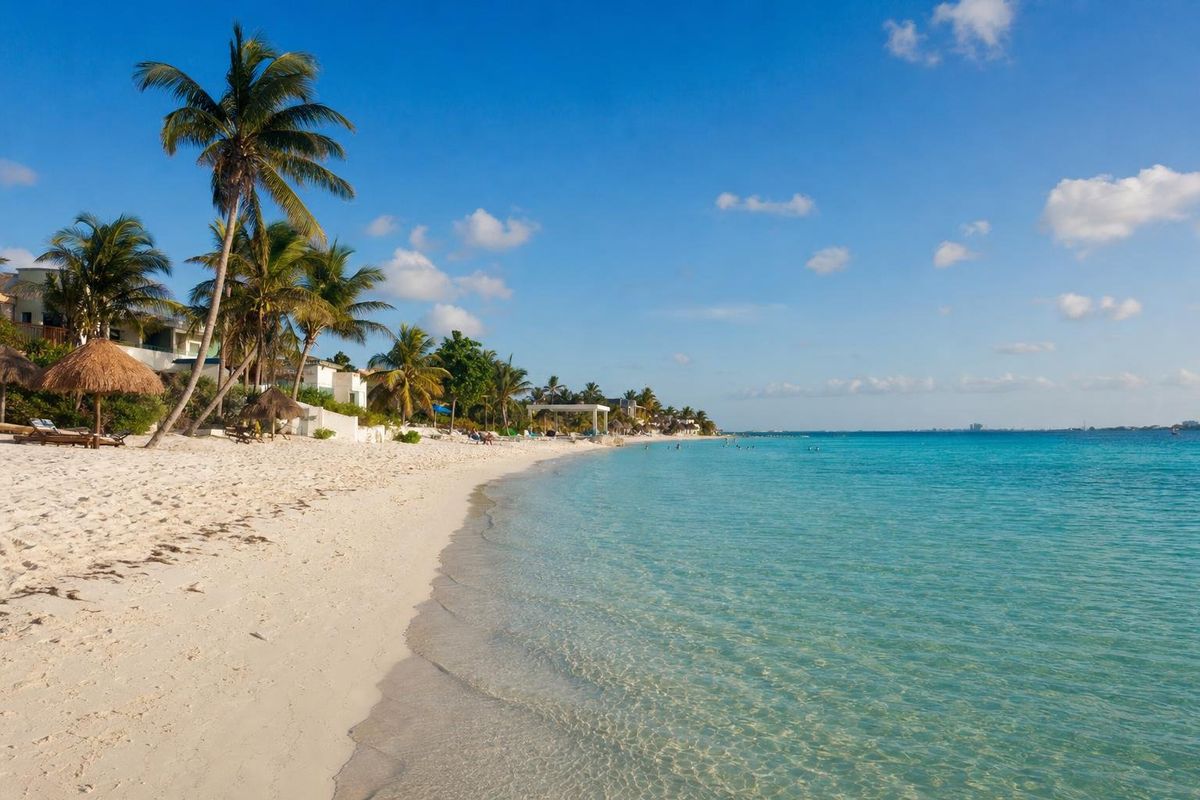
AI-generated image Islands · Quintana Roo
Isla Mujeres
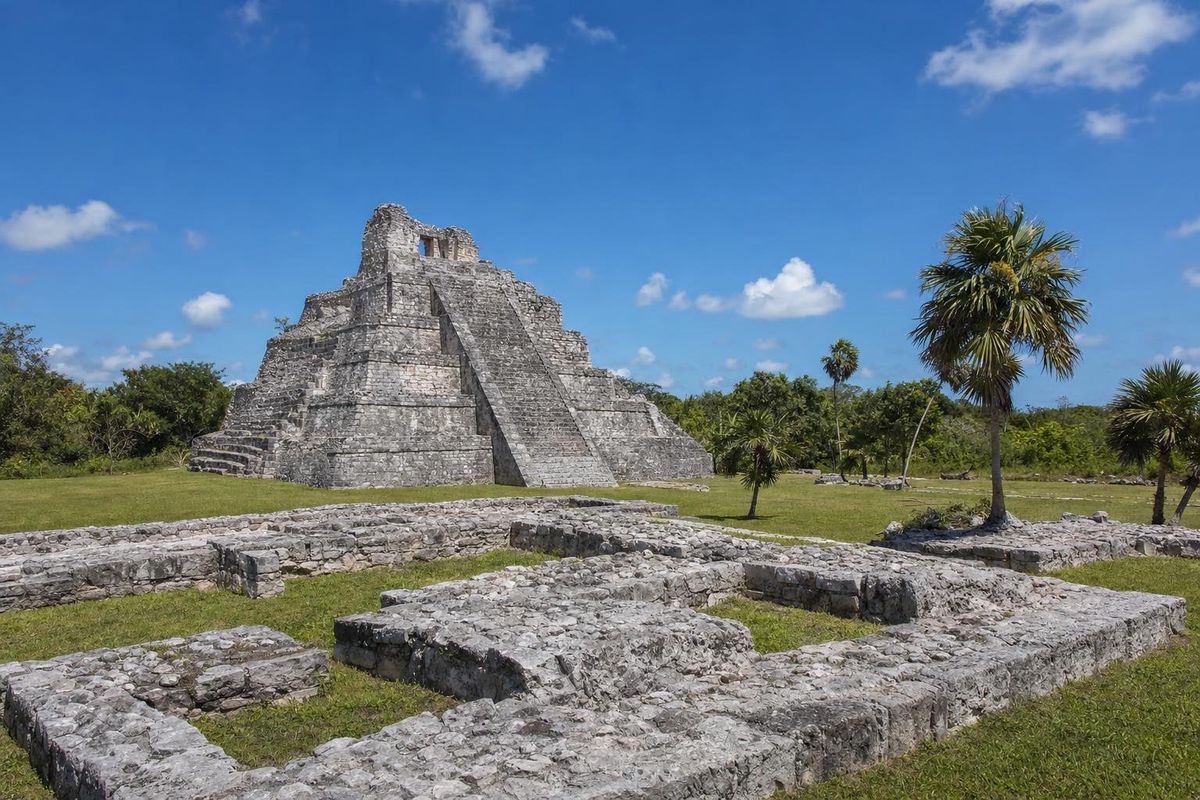
AI-generated image Maya Ruins · Quintana Roo
El Meco
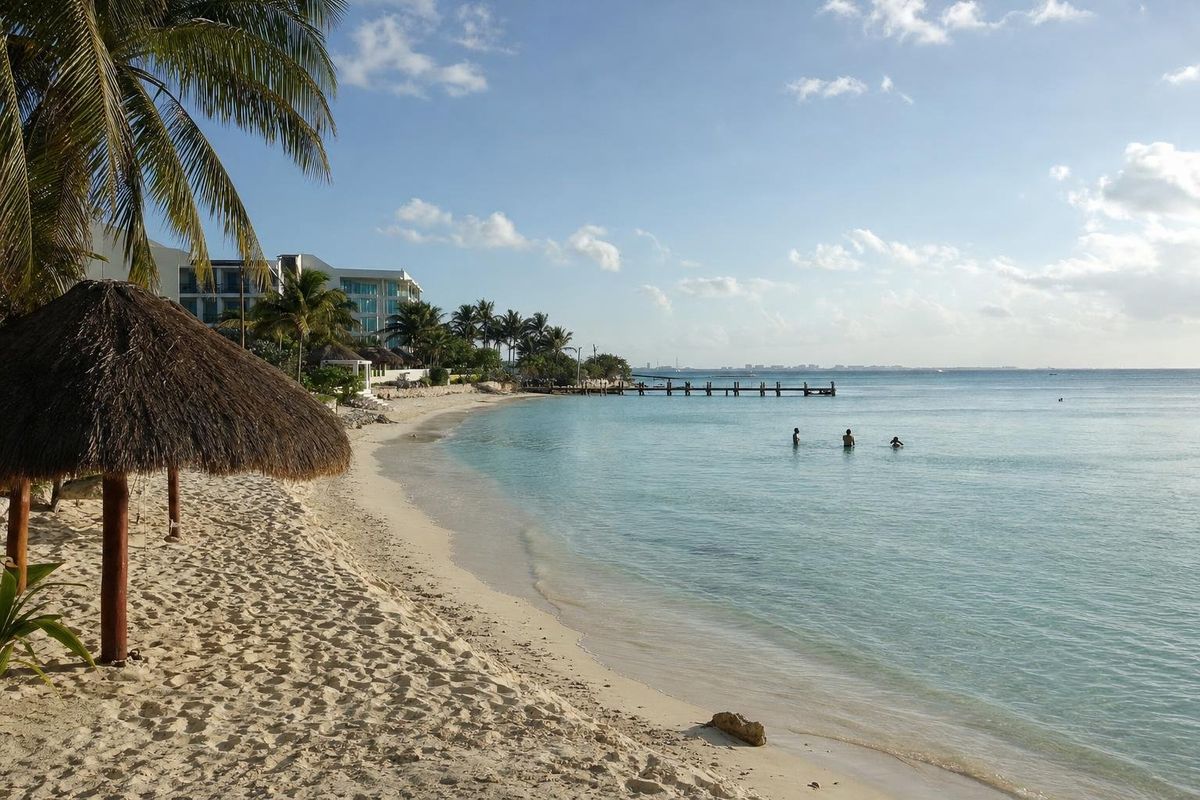
AI-generated image Beaches · Quintana Roo
Las Perlas
AI-generated image Beaches · Quintana Roo
Playa Langosta