
−5 m · Shallows · Cenotes · Yucatán
El Corchito, Progreso: Swimming in the Mangrove Cenotes
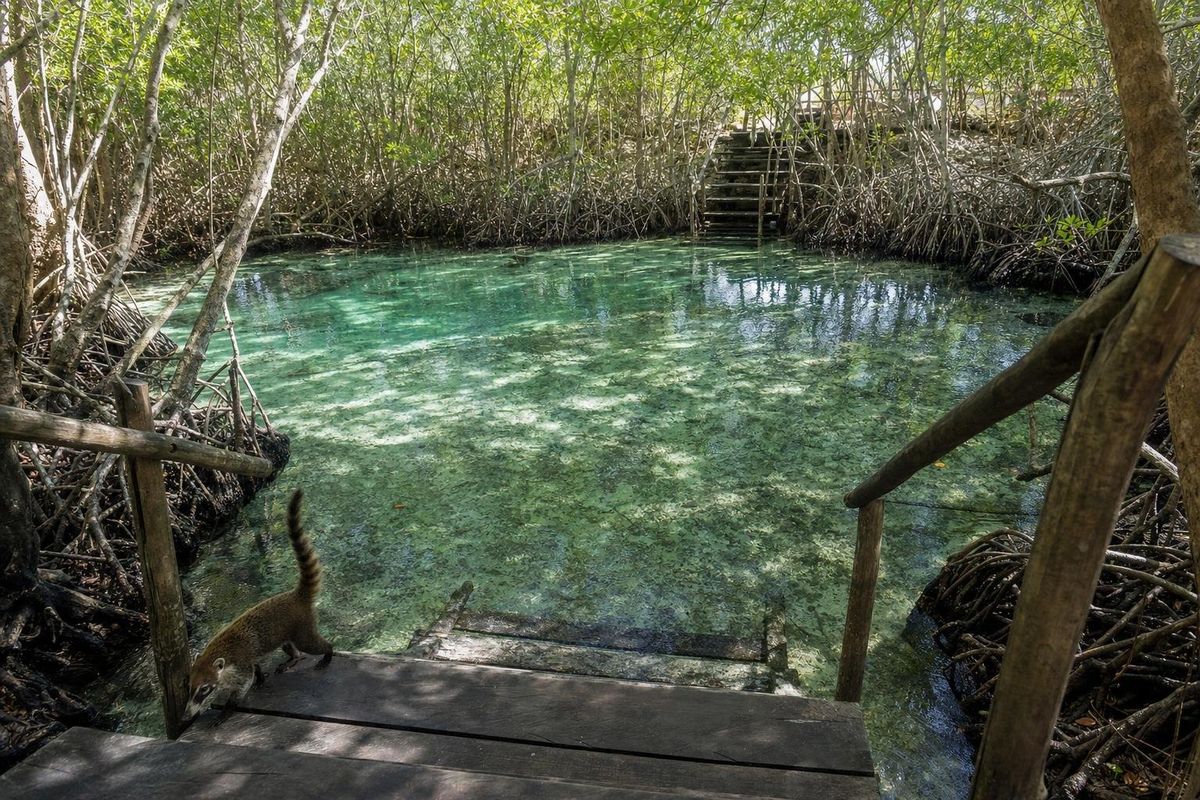
El Corchito is a small ecological reserve on the edge of Progreso, the port town on the Yucatán coast north of Mérida, where a few spring-fed pools open in the middle of a mangrove swamp. A short boat ride across a channel takes visitors to a network of paths and boardwalks, and two or three of the clear, shallow pools are open for swimming. Coatis and raccoons living in the reserve are part of the scene and are used to people, sometimes too used to them.
What El Corchito is
The northern coast of Yucatán is a long sand barrier separating the Gulf of Mexico from a band of lagoons, salt marsh and mangrove known locally as the ciénaga. Fresh water that falls on the peninsula drains underground through the limestone and, near the coast, rises again through openings in the rock. Where those springs surface inside the mangroves, they form pools of clearer, cooler water inside the brackish swamp: the "cenotes" of El Corchito.
They are not the deep sinkholes of the interior, like the cave cenotes around Valladolid. They are shallow, open basins with sandy and rocky bottoms, a meter or two deep in most places, their edges lined with mangrove roots. The water is mostly fresh and noticeably cooler than the sea, and on a hot day the contrast is the whole point.
The springs are part of a much larger story. A few kilometers east of Progreso lies Chicxulub Puerto, the fishing village that gave its name to the buried impact crater linked to the extinction of the dinosaurs some 66 million years ago. The crater is hidden under hundreds of meters of younger limestone, but it shapes how water moves through the rock, and inland its buried rim is traced on the map by an arc of cenotes. The pools of El Corchito are not part of that ring; they belong to the coastal spring belt, where the same underground water finally reaches the sea.
The area has been protected by the state of Yucatán as an ecological reserve, with boardwalks laid over the wet ground, swimming steps into the pools and a small boat service from the Progreso side. It is a local favorite with families from Mérida, especially on weekends.
Swimming and walking in the reserve
After the boat crossing, a trail leads through the mangroves to the pools. Typically two or three of them are open for swimming at any time, while others can be seen from the paths; which ones are open varies with water levels and maintenance. The best for a swim tend to be the clearest, where springs bubble up from small vents in the bottom and stir the sand.
The mangroves themselves are worth the walk. Red mangroves with their arching prop roots grow at the water's edge, black and white mangroves further back, and between them run narrow channels where small fish shelter. Herons, egrets and kingfishers hunt in the shallows, and in the winter months migratory birds join the residents.
Mangroves are also the coast's nursery and its storm barrier. Young fish, shrimp and crabs grow up among the roots before moving out to sea, and the tangled forest slows waves and holds the sand in place when storms come ashore. Much of the mangrove along this coast has been lost to roads and building, which is part of why small reserves like this one matter.
Then there are the mammals. White-nosed coatis and raccoons live in the reserve and patrol the paths and picnic areas in search of food. They are wild animals, however tame they look. Feeding them is forbidden and makes them bolder; they will open bags, steal food and occasionally bite. Keep snacks sealed and out of reach.
The wider estuary is also home to crocodiles, as are most of the mangrove systems on this coast. Stay inside designated swimming areas and follow the instructions of the staff.
Getting to El Corchito
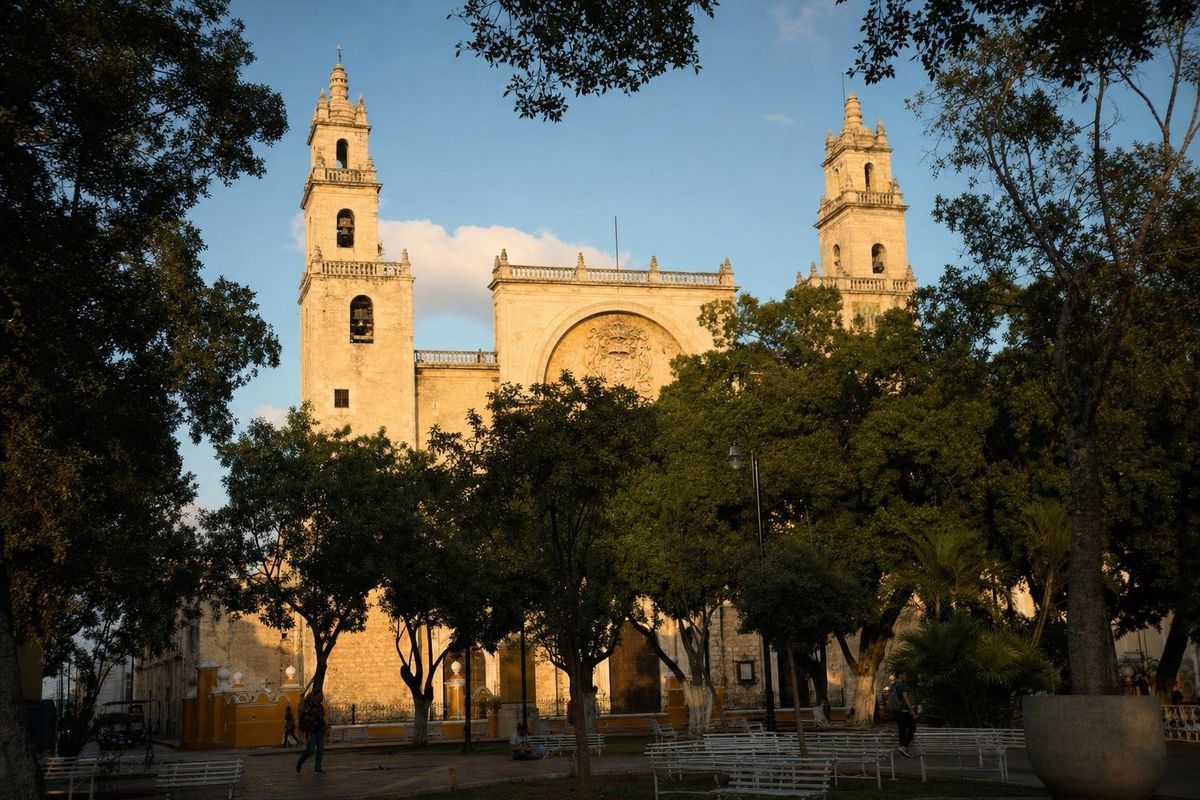
Progreso lies about 35 km north of Mérida on a straight, fast highway, around forty minutes by car. The reserve's boat landing is on the edge of town and signposted as El Corchito. From there, small boats shuttle visitors across the channel in a few minutes.
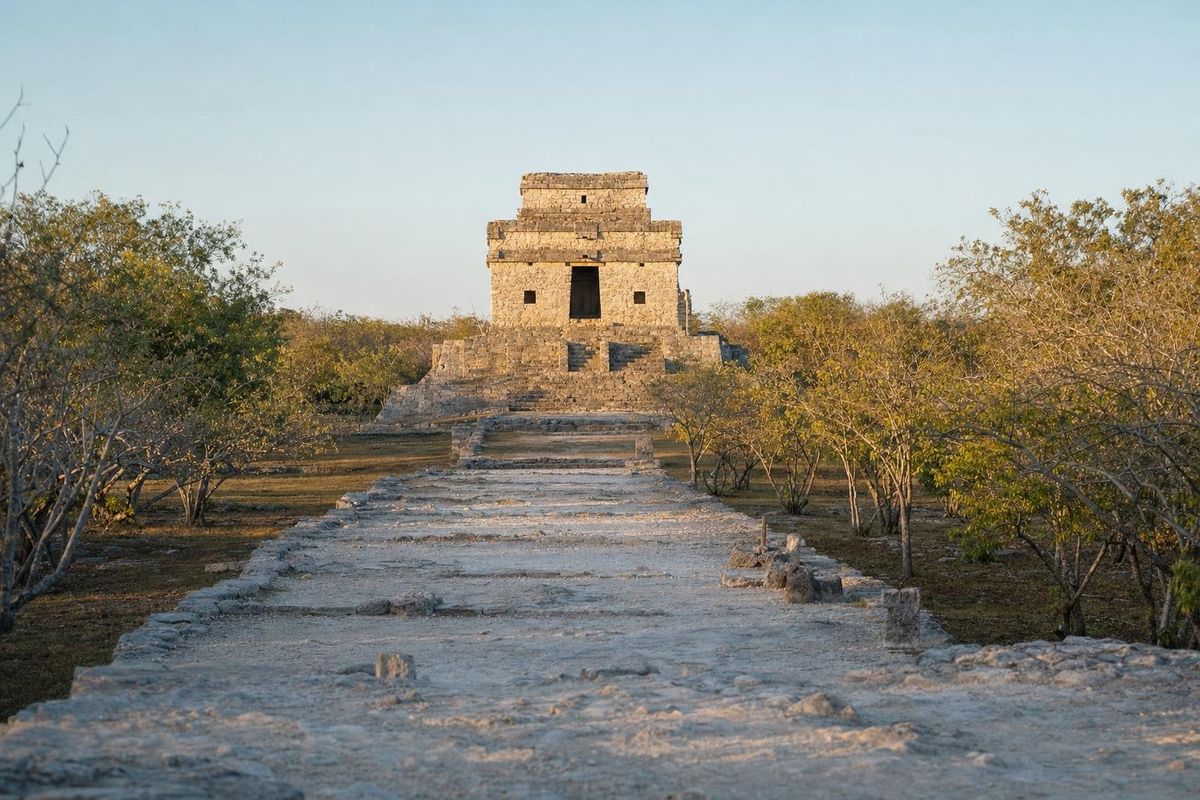
Without a car, frequent buses connect Mérida with Progreso, and a taxi or a walk from the center of Progreso covers the last stretch. The ruins of Dzibilchaltún, with their own swimmable cenote, lie just off the same highway and make an easy pairing on the drive up from Mérida.
When to visit
The pools are at their clearest and calmest in the morning, before the weekend crowds and before the heat of midday. Weekdays are quieter than Saturdays and Sundays, when families from Mérida arrive, and Mexican school holidays and Easter week bring the most visitors of all.
The dry season from roughly November to April is the most comfortable time on this coast. From May to October the heat and humidity rise, and afternoon storms become common; the hurricane season runs from June to November. Mosquitoes in the mangroves are worst after rain, even in daylight.
Rules and practical notes
- Do not use sunscreen or repellent before swimming. Chemical residues damage the pools, and staff may ask you to rinse off first. Cover up with clothing instead.
- Bring water shoes: the bottoms of some pools are rocky and roots are slippery.
- Keep food sealed and never feed the coatis or raccoons.
- Bring repellent for the walk back after your swim, not before it.
- Entry fees, boat charges and opening days change; check locally before you go.
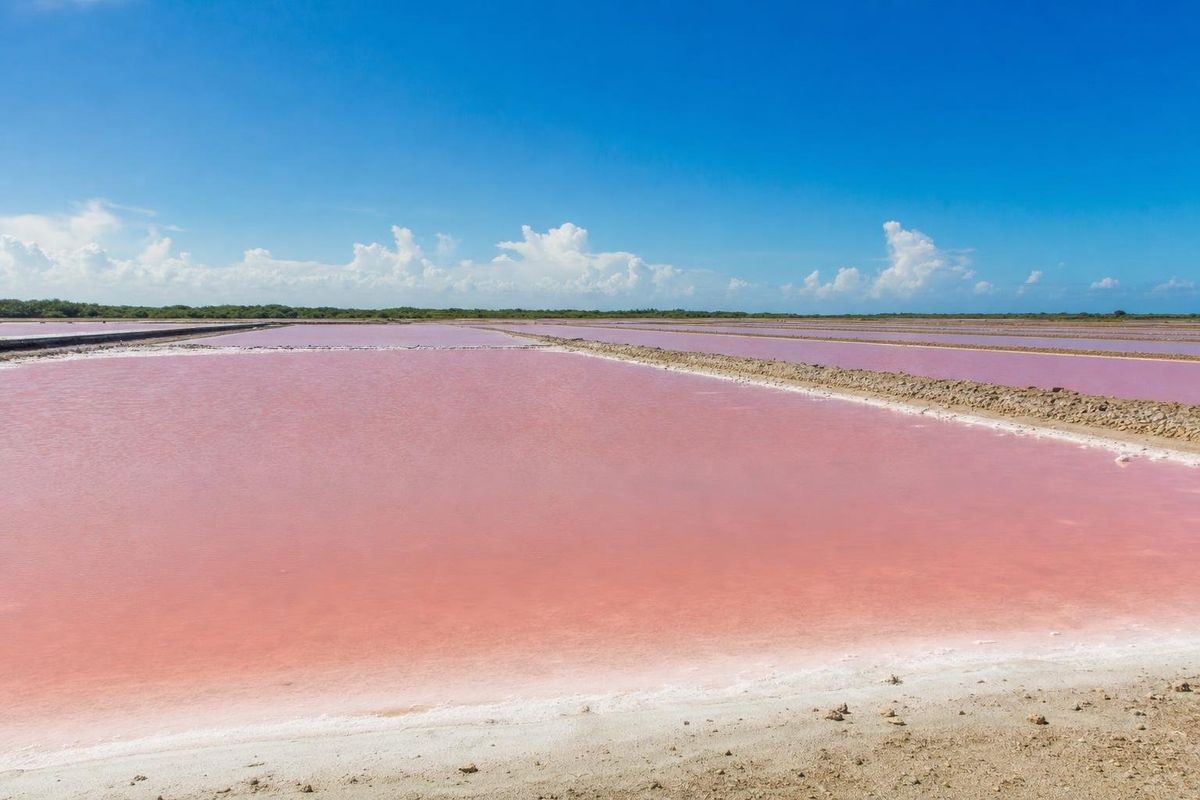
Progreso itself has a long beach on the Gulf and a famously long pier running out to deep water, built because the sea floor off this coast shelves so gradually. Further along the coast, the pink salt ponds near Xtampú and the flamingo lagoons of Celestún show other sides of the same mangrove and lagoon system. More swimming holes are gathered in the cenotes section.
El Corchito questions
Where is El Corchito?
El Corchito is on the edge of Progreso, on the north coast of Yucatán, about 35 km north of Mérida. The pools lie inside a mangrove reserve reached by a short boat crossing.
Can you swim at El Corchito?
Yes. Two or three of the spring-fed pools are usually open for swimming. They are shallow, clear and cooler than the sea, and sunscreen is not allowed in the water.
Is El Corchito a real cenote?
The pools are springs where fresh groundwater rises into the mangroves. Locally they are called cenotes, but they are shallow, open basins rather than deep sinkholes or caves.
Are the animals at El Corchito dangerous?
The coatis and raccoons are wild and can bite or snatch food if they are fed. Crocodiles live in the wider estuary, so swimming should stay within the marked pools.
How do you get from Mérida to El Corchito?
Drive or take a bus to Progreso, about forty minutes north, then continue to the reserve's boat landing on the edge of town, where boats cross to the pools.
Nearby on the map
AI-generated image Maya Ruins · Yucatán
Dzibilchaltún
AI-generated image Lakes & Rivers · Yucatán
Xtampú Pink Lake
AI-generated image Towns & Villages · Yucatán
Mérida
AI-generated image Towns & Villages · Yucatán
Motul