
0 m · Towns & Villages
Towns and Villages of Yucatán, Chiapas and Oaxaca: Markets and Crafts
The towns are where the peninsula's history is still in use. A plaza, a market and a church built from Maya stone tell more than many museums.
Every guide in Towns & Villages
AI-generated image Towns & Villages · Quintana Roo
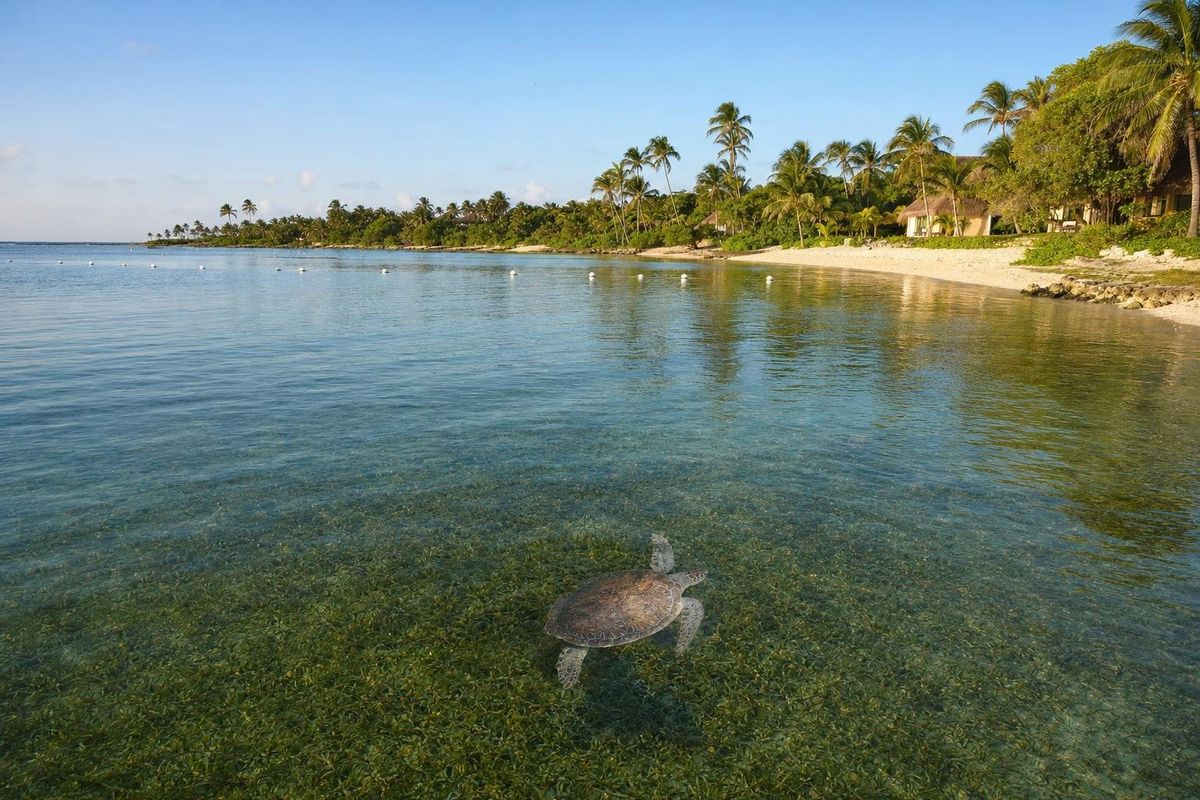
Akumal
AI-generated image Towns & Villages · Quintana Roo
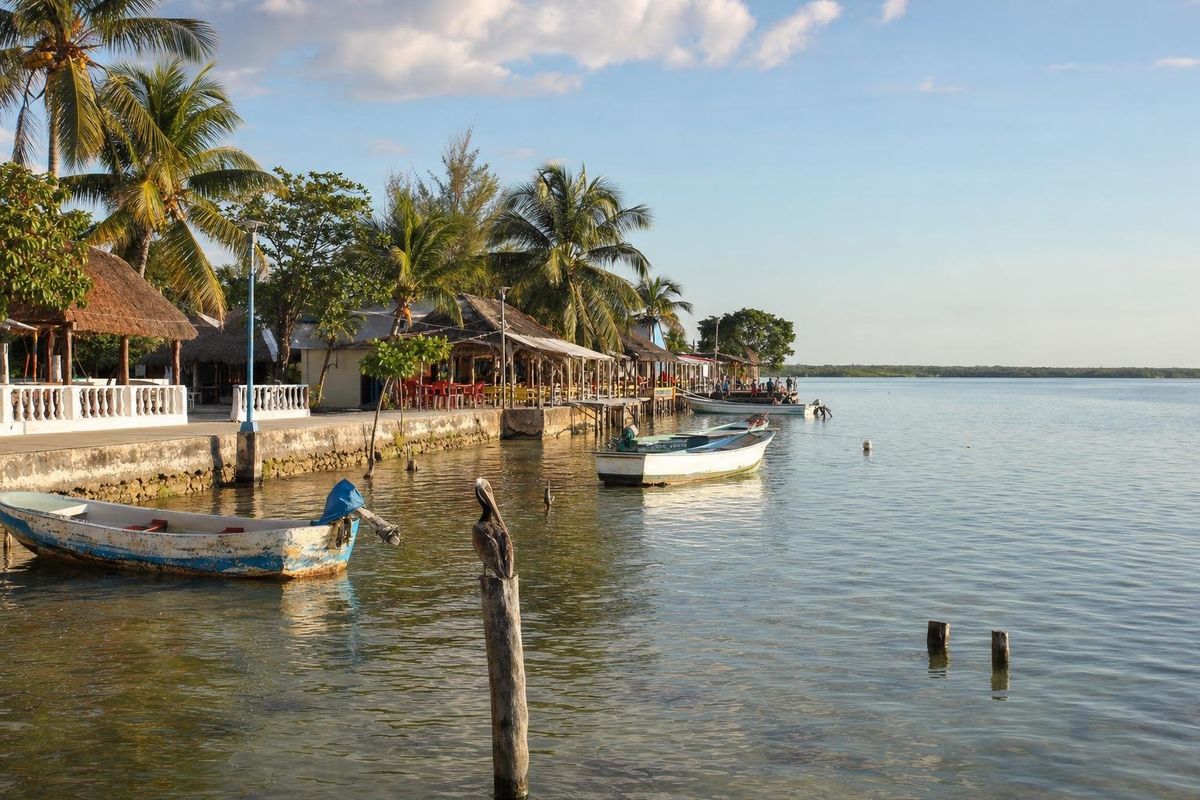
Calderitas
AI-generated image Towns & Villages · Yucatán
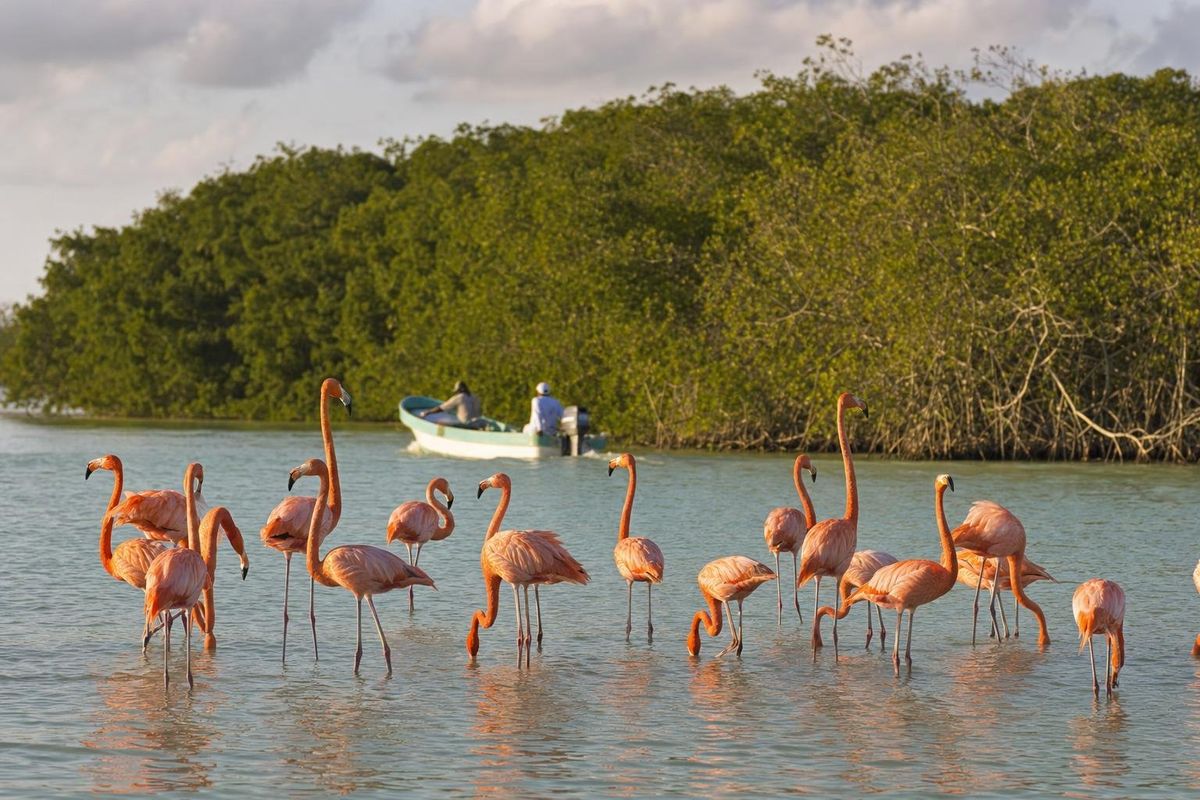
Celestún
AI-generated image Towns & Villages · Chiapas
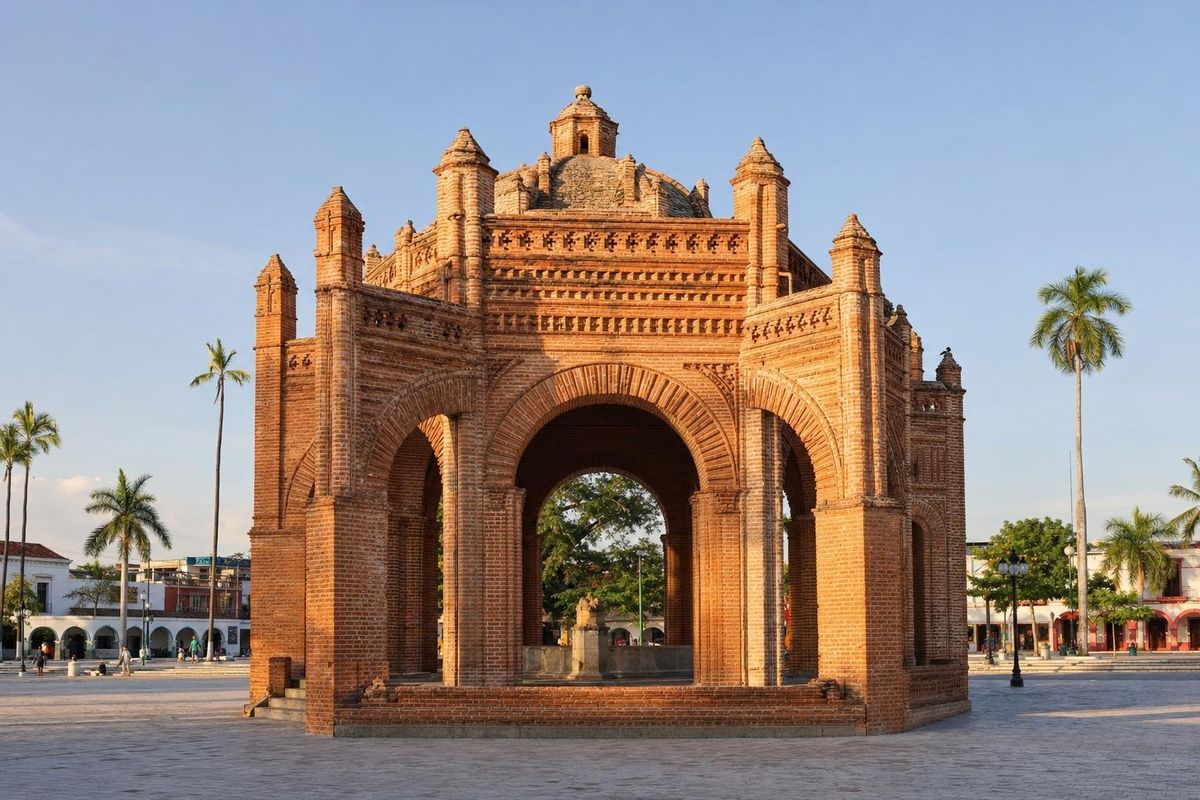
Chiapa de Corzo
AI-generated image Towns & Villages · Chiapas
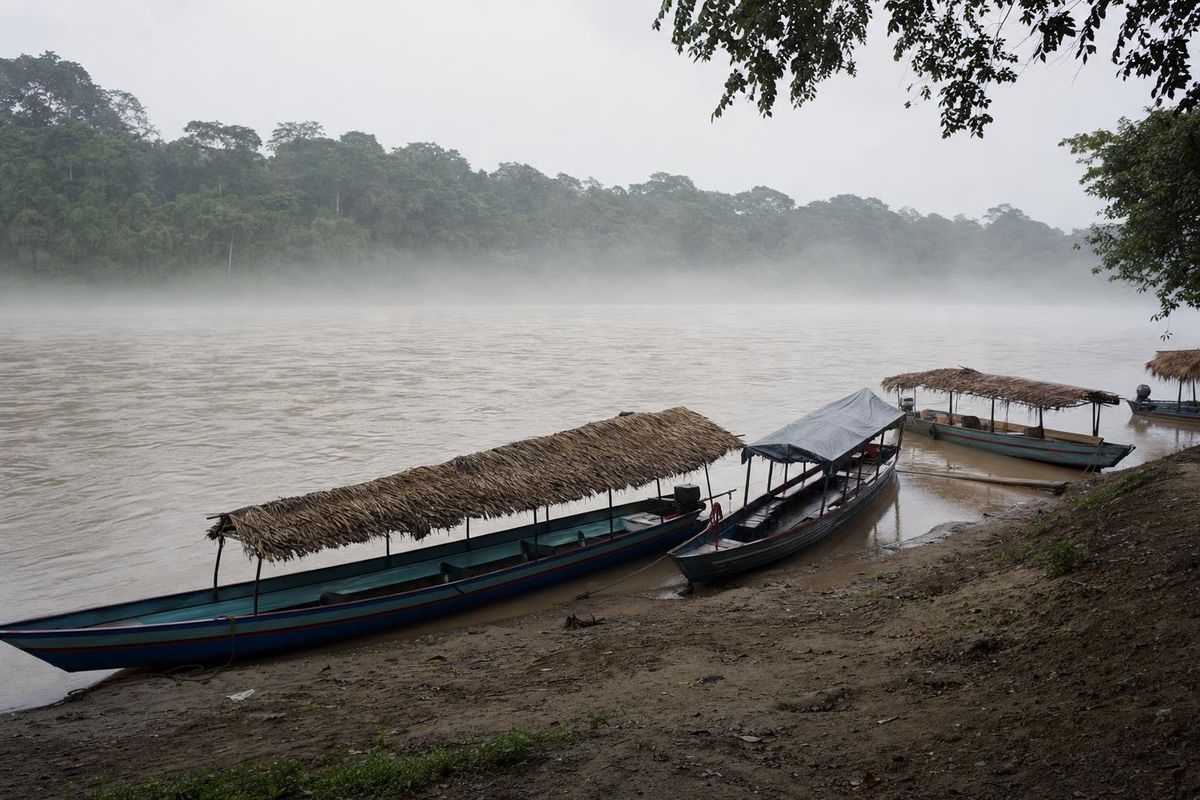
Frontera Corozal
AI-generated image Towns & Villages · Yucatán
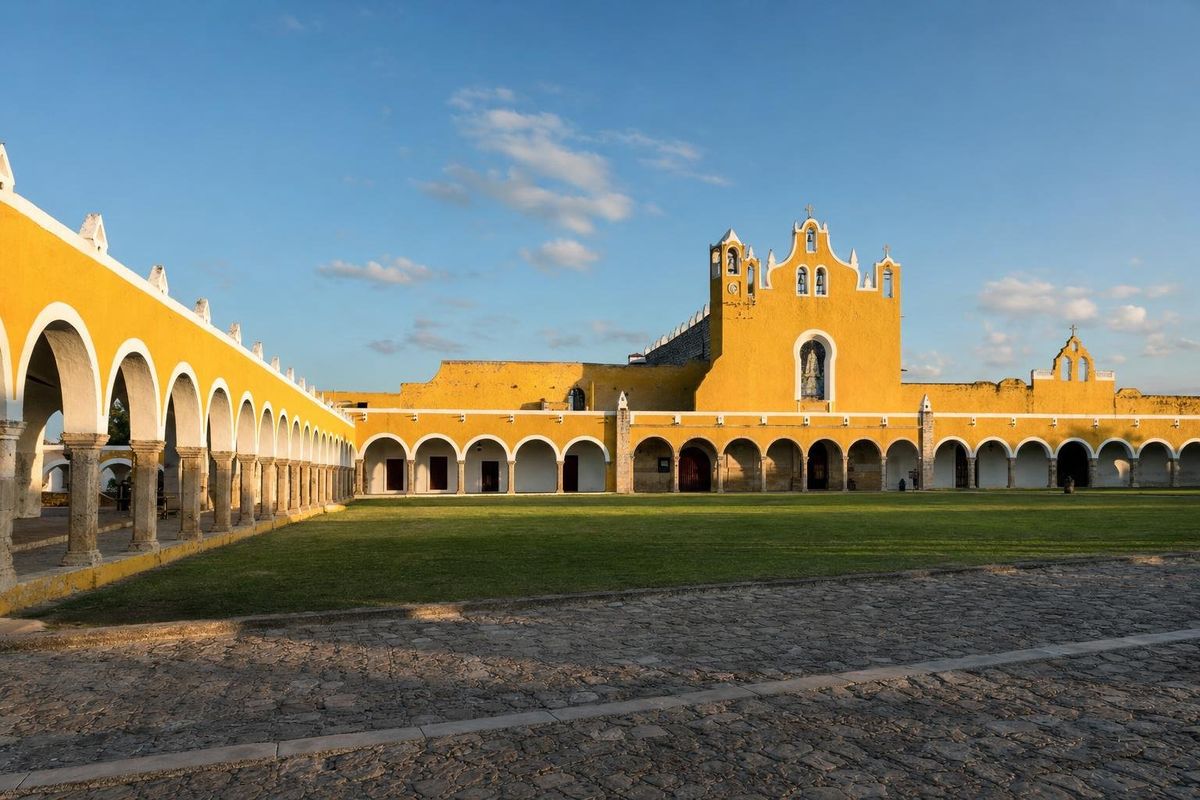
Izamal
AI-generated image Towns & Villages · Veracruz
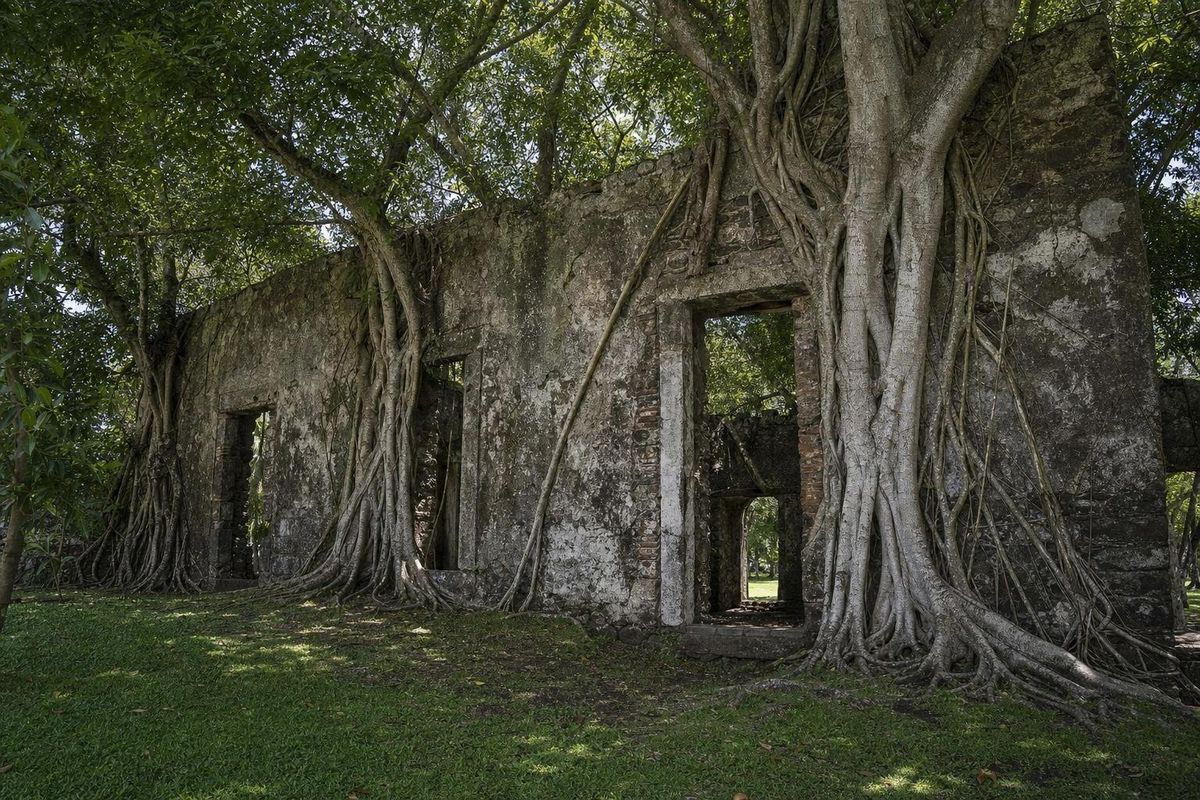
La Antigua
AI-generated image Towns & Villages · Oaxaca
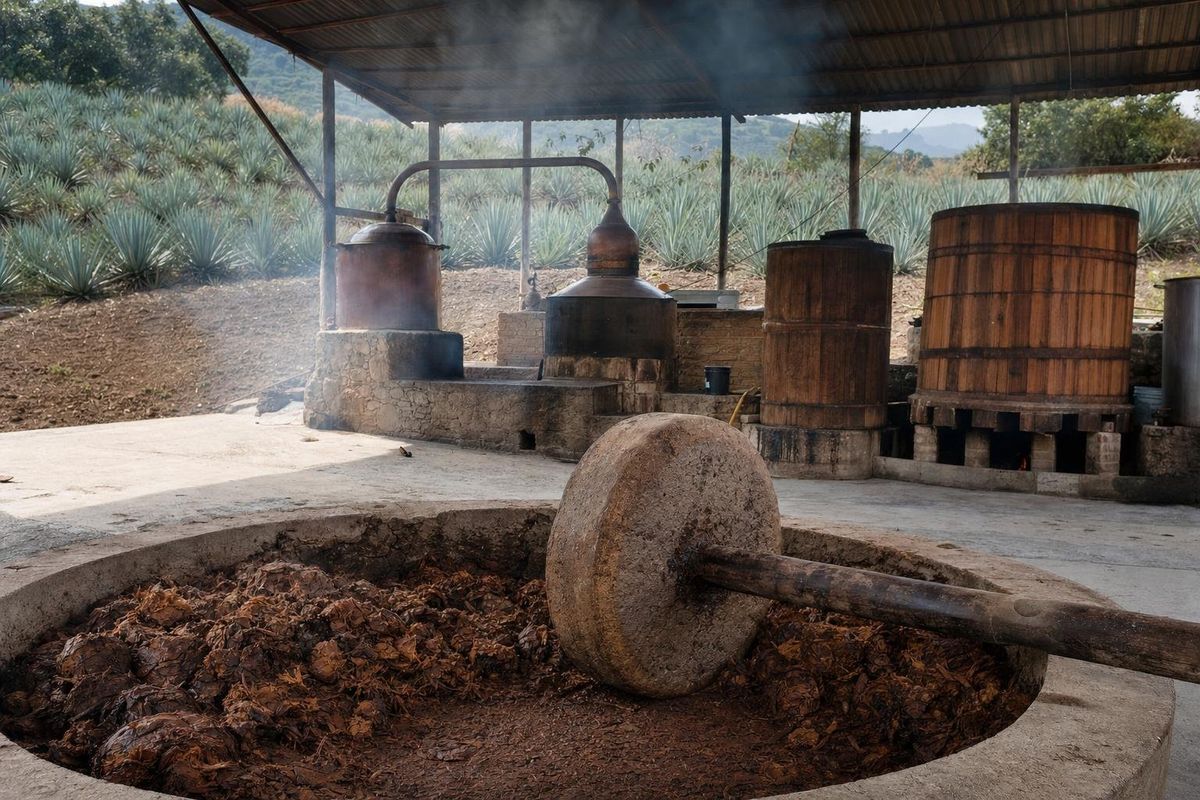
Matatlán
AI-generated image Towns & Villages · Quintana Roo
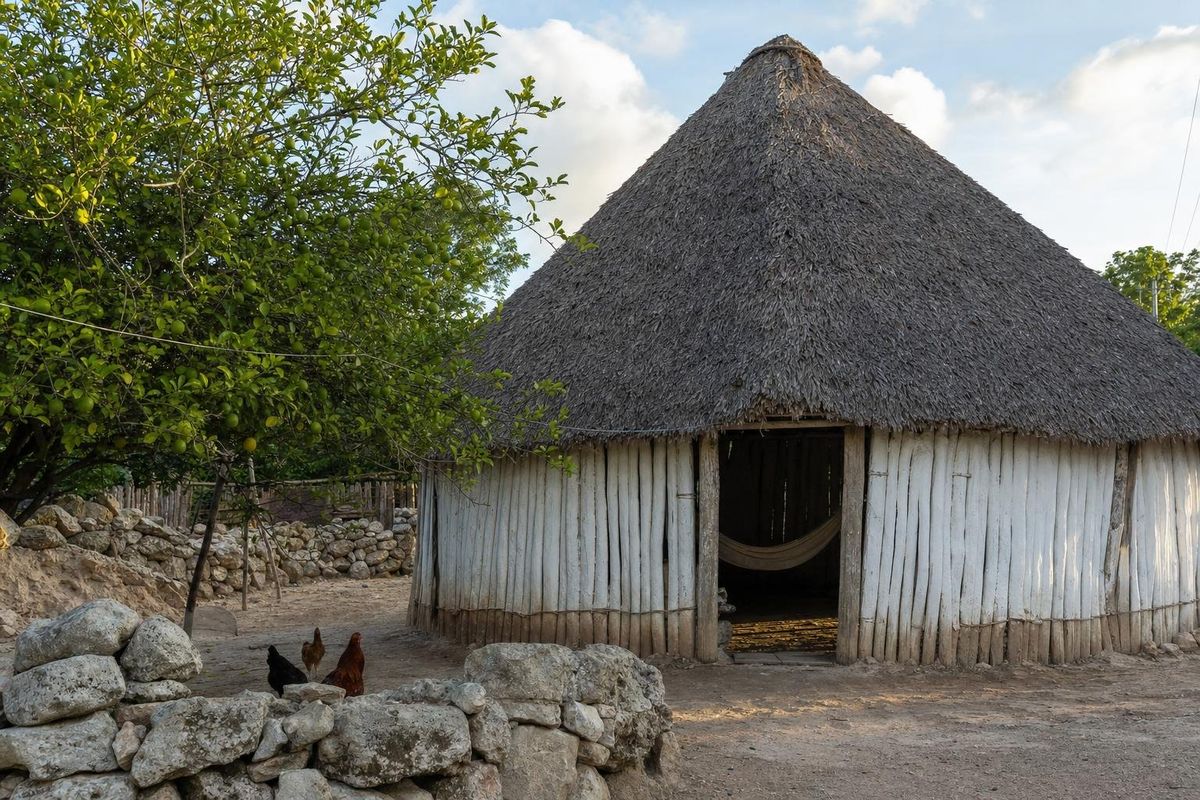
Maya villages
AI-generated image Towns & Villages · Yucatán
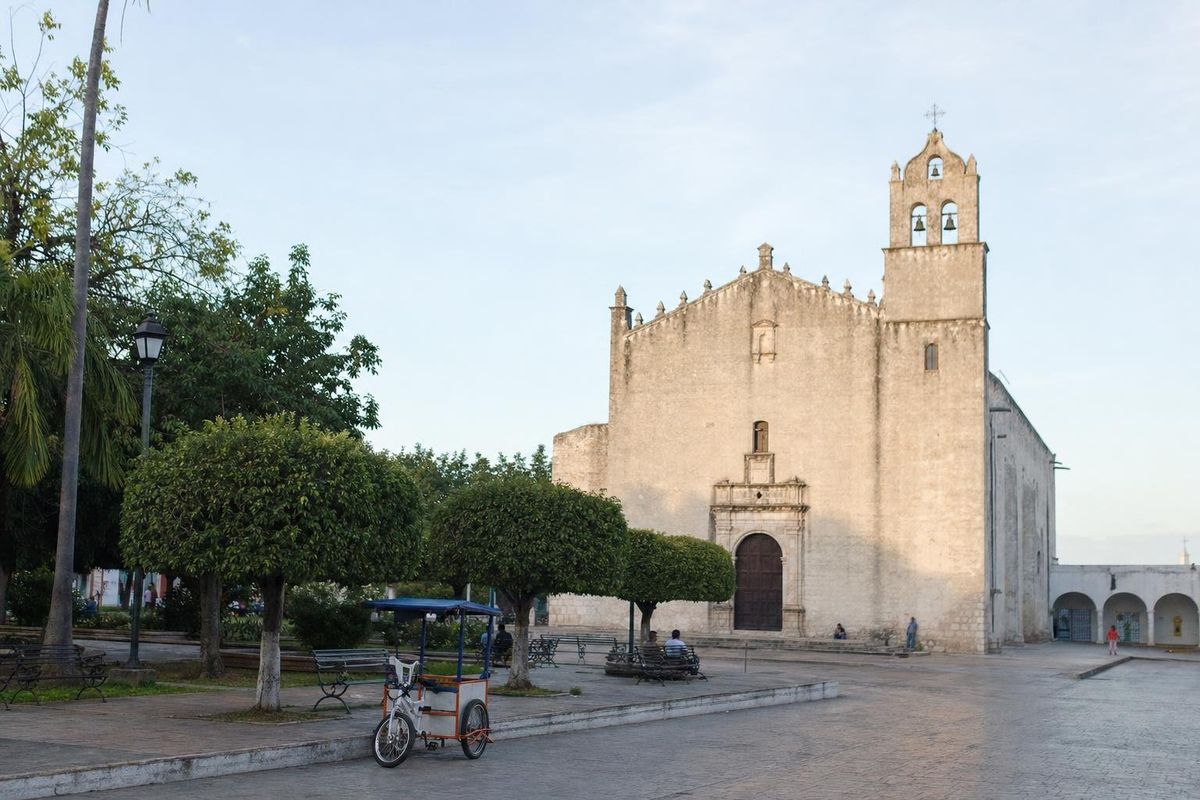
Motul
AI-generated image Towns & Villages · Yucatán
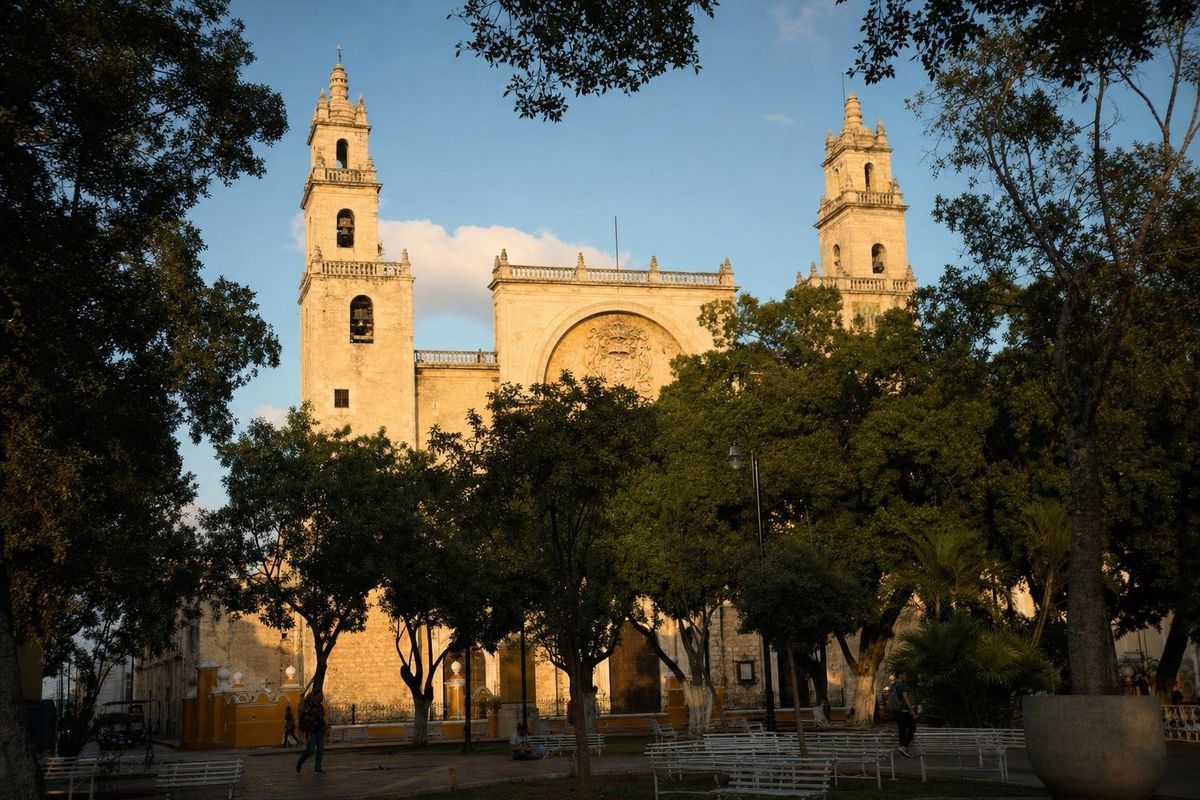
Mérida
AI-generated image Towns & Villages · Yucatán
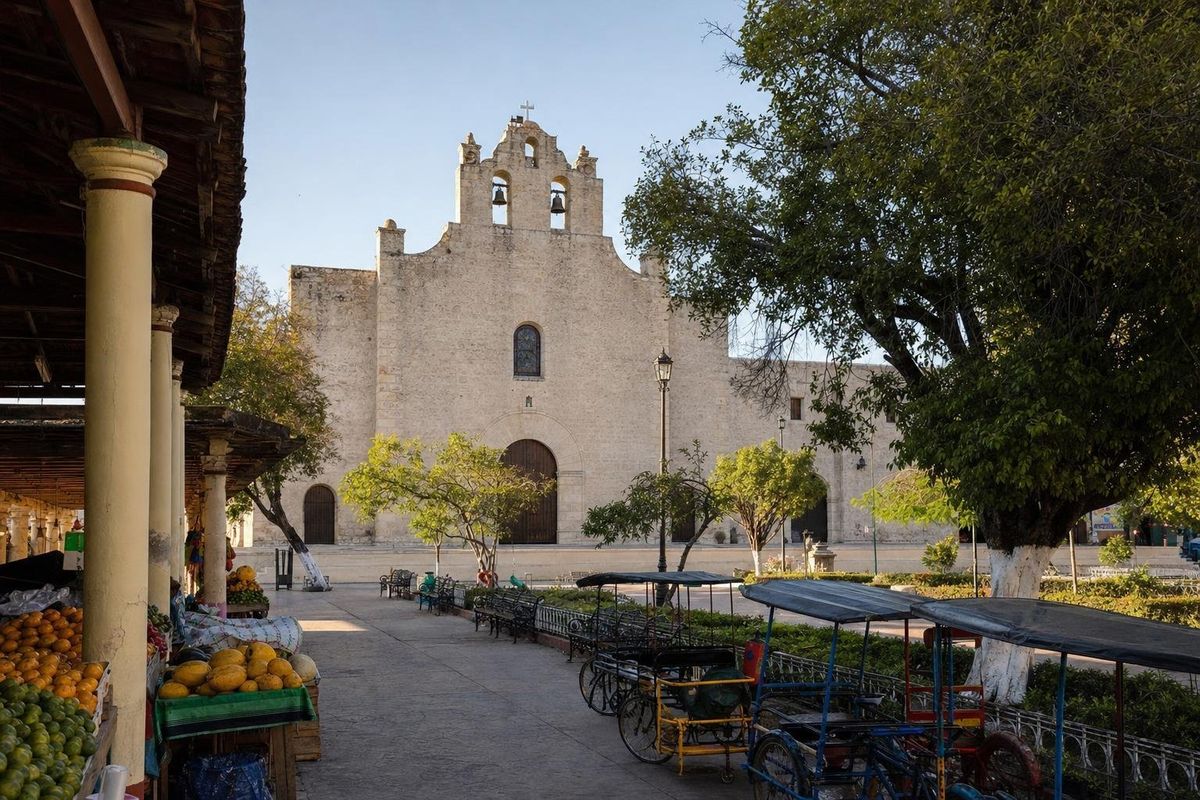
Oxkutzcab
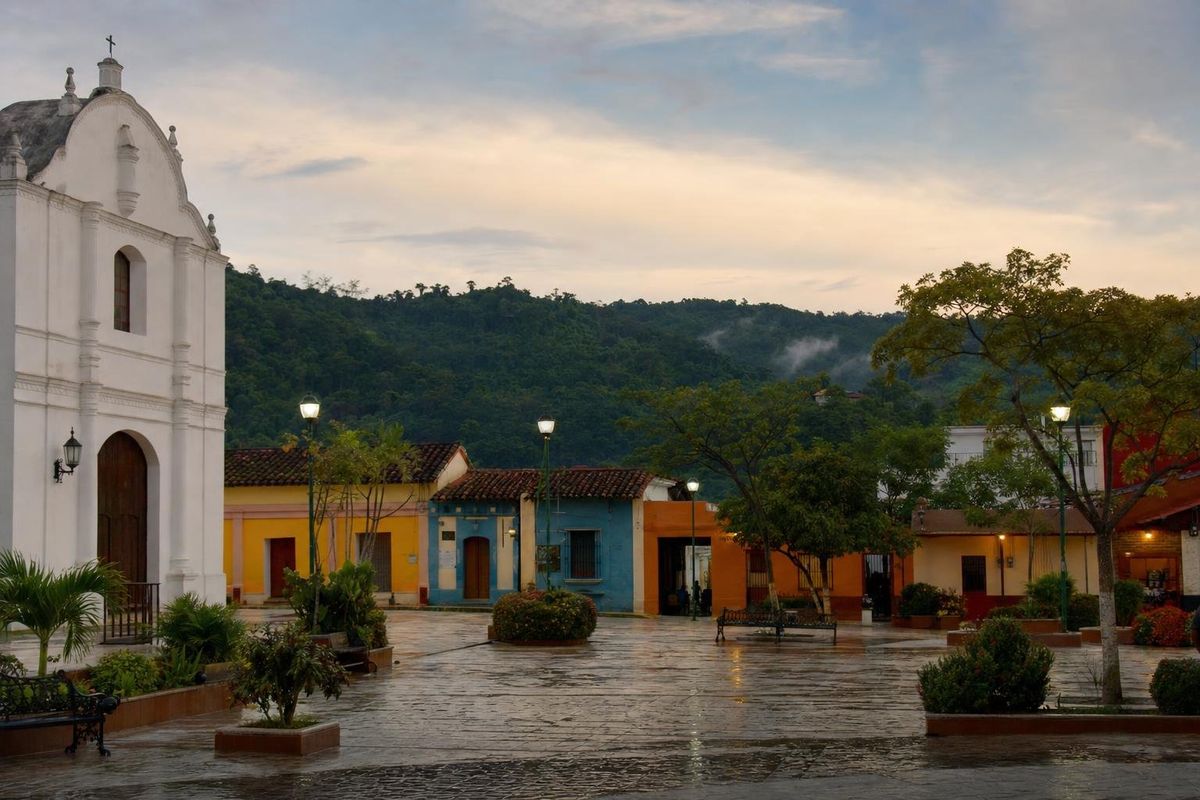
AI-generated image Towns & Villages · Chiapas
Palenque town
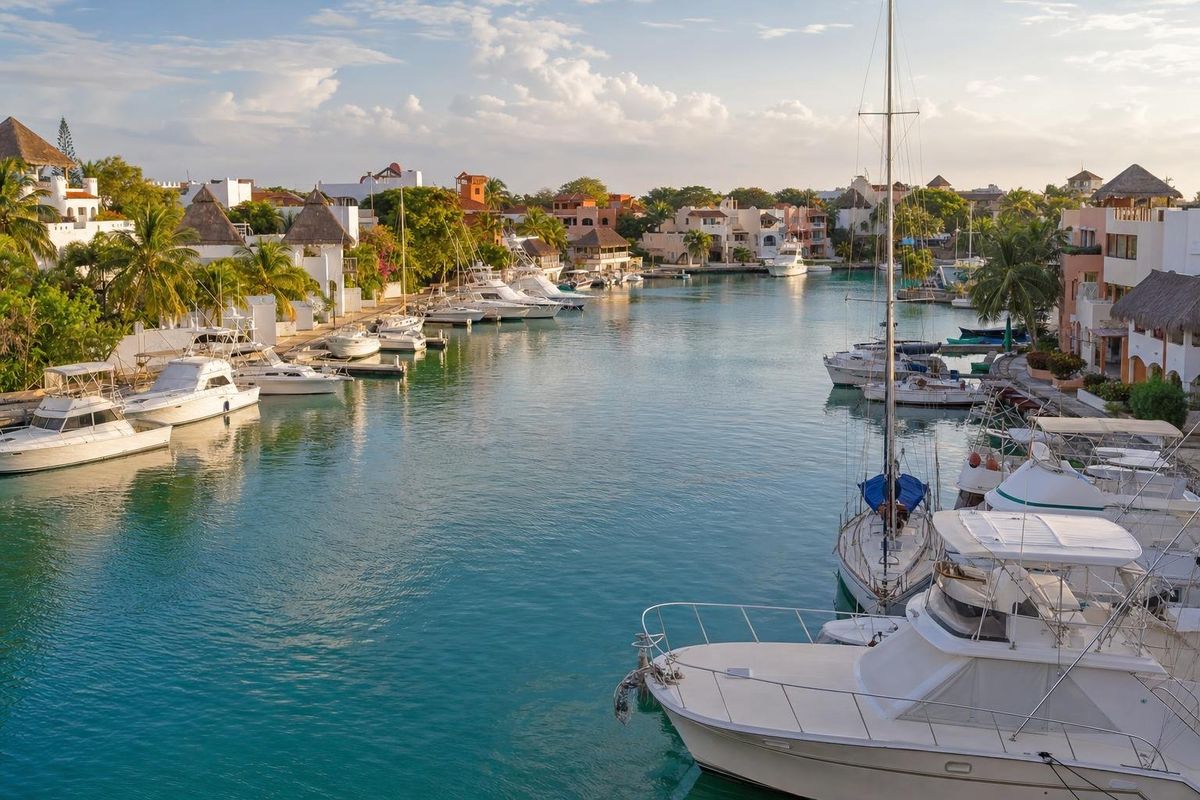
AI-generated image Towns & Villages · Quintana Roo
Puerto Aventuras
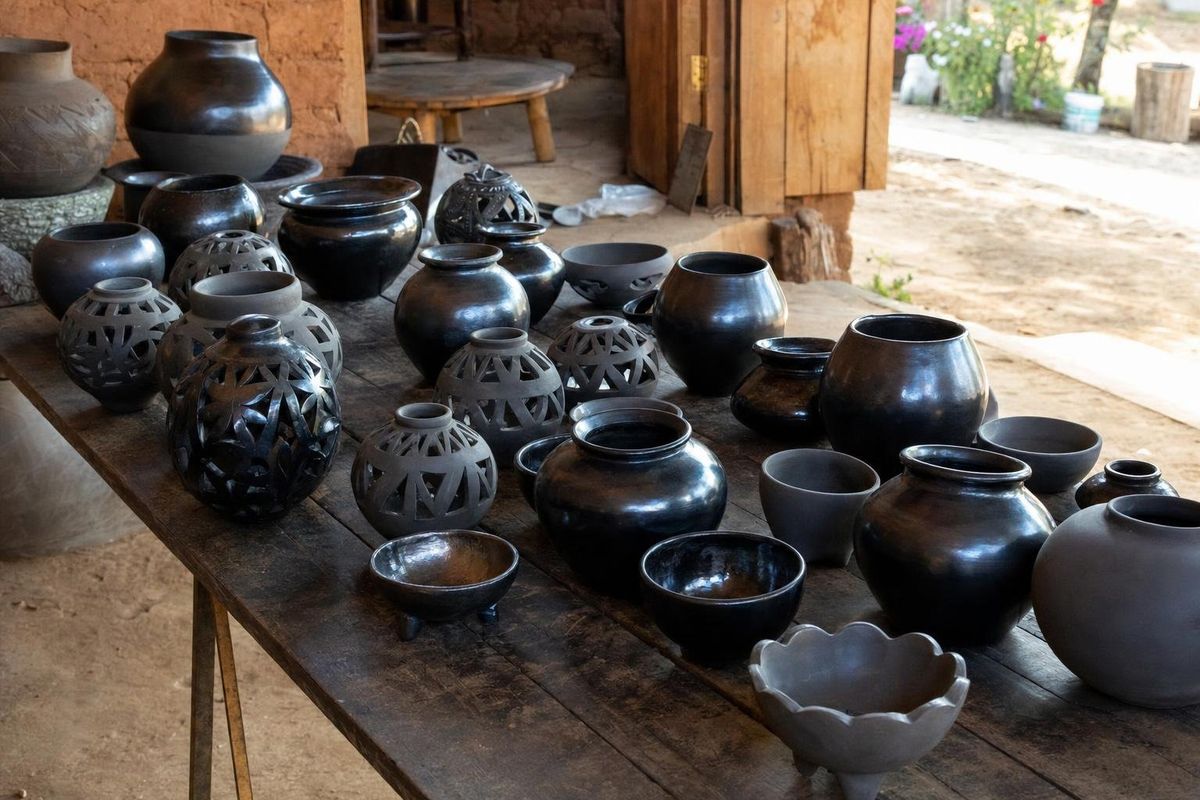
AI-generated image Towns & Villages · Oaxaca
San Bartolo Coyotepec
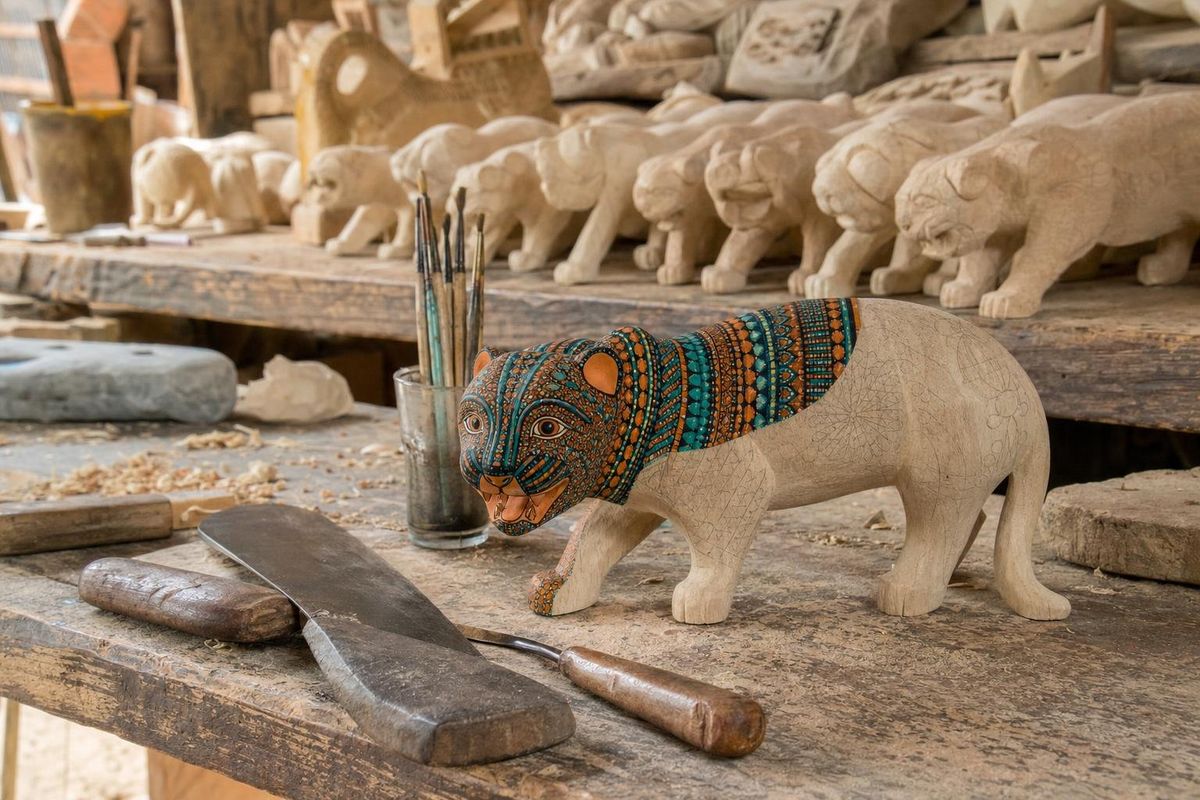
AI-generated image Towns & Villages · Oaxaca
San Martín Tilcajete
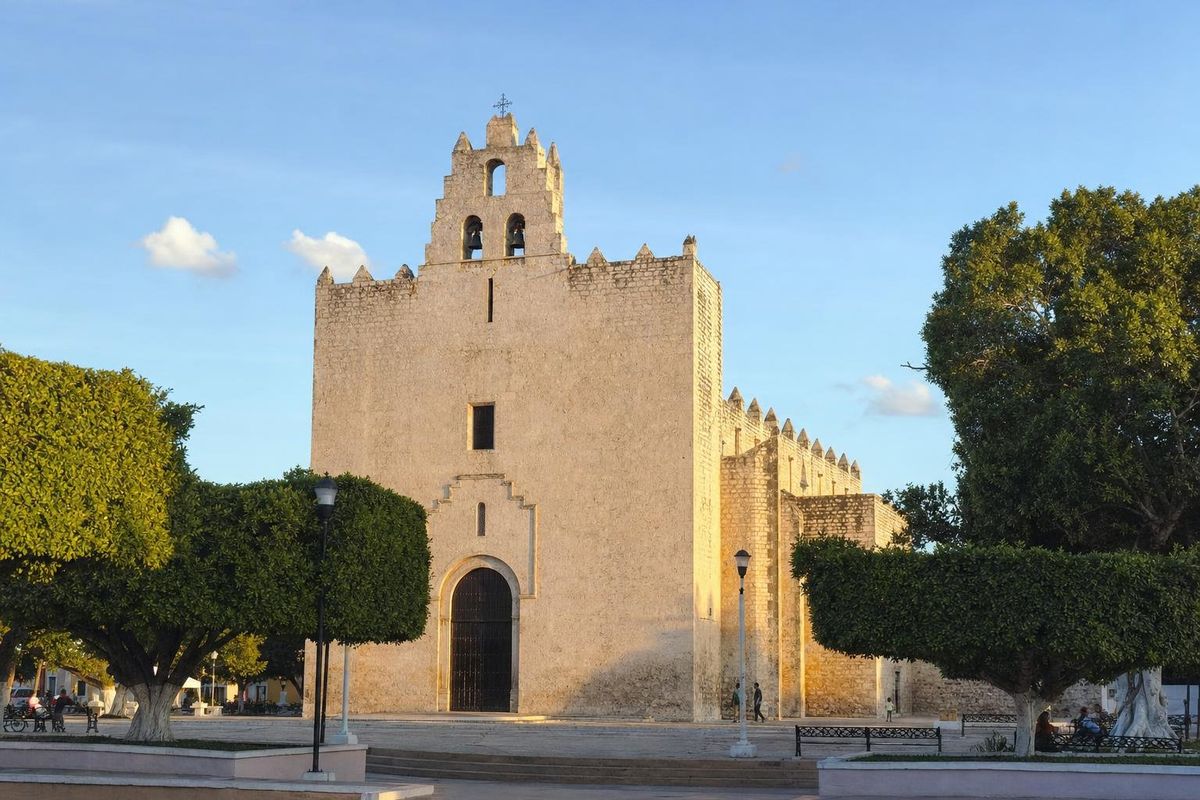
AI-generated image Towns & Villages · Yucatán
Tizimín
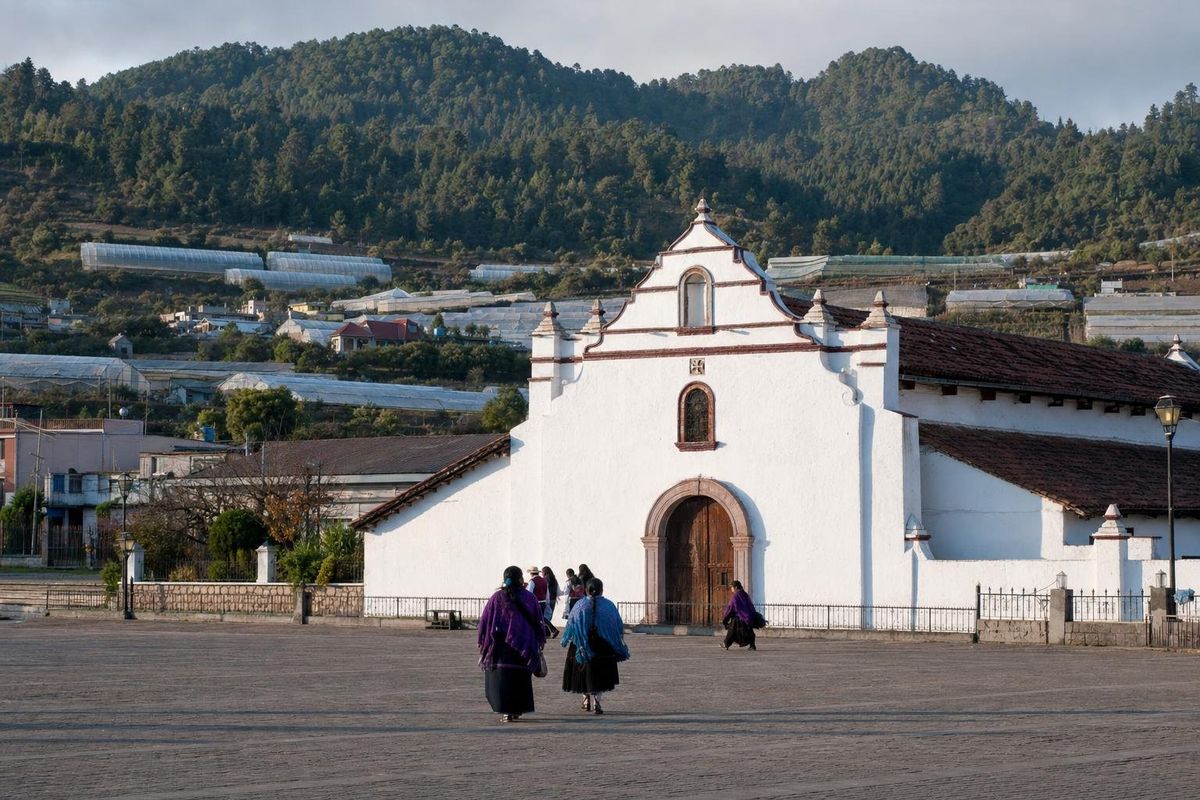
AI-generated image Towns & Villages · Chiapas
Zinacantán
How a Yucatán town is laid out
Almost every town on the peninsula follows the Spanish colonial grid: a central plaza with a church on one side, the municipal palace on another and the market a block or two away. In many places the church stands on top of a Maya platform, and the stone came from the temples it replaced. Izamal is the clearest example, with its yellow-painted convent built on a pyramid base and other large mounds still standing between the houses.
Daily life follows the heat. Markets open early, the streets empty in the afternoon, and the plaza fills again after dark. Many towns hold a weekly evening of music or dancing in the square, and village festivals for patron saints bring bullfights, processions and vaquería dances. Yucatec Maya is commonly heard in markets and on buses, and houses in the villages are still often the traditional oval na, with walls of plastered stone or poles and a steep palm-thatch roof.
Mérida and the market towns
Mérida, capital of Yucatán state, was founded by the Spanish in 1542 on the Maya city of T'hó. Its center has one of the oldest cathedrals in the Americas, colonial mansions and the grand houses of the henequen era along Paseo de Montejo. It is the natural base for the north and the Puuc hills. On Sundays several central streets close to traffic, and the main square hosts music and food stalls into the evening.
Smaller towns each have a specialty. Motul gave its name to huevos motuleños, the egg breakfast served across the region. Oxkutzcab in the south is an orchard town known for its fruit market and as a base for the Loltún caves. Tizimín in the northeast is cattle country, and Valladolid, east of Chichén Itzá, has cenotes within the town itself.
Craft villages of Chiapas and Oaxaca
Beyond the peninsula, several villages are known above all for what they make. In the highlands of Chiapas, Zinacantán is a Tzotzil Maya community where flower growing and backstrap weaving go together, and the embroidered flowers on clothing change with the years. Chiapa de Corzo, on the Grijalva River, has a colonial fountain and is the starting point for boats into the Sumidero Canyon.
In the valleys around Oaxaca city, San Bartolo Coyotepec is the home of barro negro, the black pottery polished with stones before firing, and San Martín Tilcajete carves and paints wooden figures known as alebrijes. These villages are working places rather than shows; workshops sell directly, and the money goes to the families who make the pieces. Prices for good work reflect days of labor, and hard bargaining with the maker is out of place.
Visiting respectfully
Churches are places of worship first. Some communities, especially in the Chiapas highlands, restrict or forbid photography inside churches and of people, and the rule is enforced. Ask before photographing anyone, dress modestly in religious buildings, and buy from the maker where possible. Festival dates move with the church calendar and local custom, so confirm them locally.
More towns worth a stop
Campeche, the walled colonial port on the Gulf, has bastions, the hilltop Fort of San Miguel with its museum of Maya finds, pastel streets and the ruins of Edzná within a day trip. Becal, on the road between Mérida and Campeche, is known for the jipi hats woven in damp caves under the houses. In Chiapas, Tuxtla Gutiérrez is the state capital and the usual starting point for boat trips through the Sumidero Canyon, and the Grutas de Rancho Nuevo are show caves in the forest near San Cristóbal de las Casas.
On the Caribbean coast, Puerto Morelos has a botanical garden on the highway south of town, with forest trails, a small reconstructed Maya house and spider monkeys in the trees.
Questions about towns and villages
Which town makes the best base in Yucatán state?
Mérida for the north, the Gulf coast and the Puuc hills; Valladolid for Chichén Itzá, Ek' Balam and the cenotes of the east.
What is a pueblo mágico?
A federal tourism label for towns with particular historic or cultural value. Izamal, Valladolid and Bacalar are among those on the peninsula.
Can you photograph people in Maya villages?
Ask first and accept a refusal. In some highland Chiapas communities, photography of people and inside churches is forbidden.
Where can you buy crafts directly from the makers?
In the workshop villages themselves, such as San Bartolo Coyotepec for black pottery and Zinacantán for weaving, where families sell from their homes.