
−5 m · Shallows · Towns & Villages · Veracruz
La Antigua, Veracruz: Cortés's Old Villa Rica and River Restaurants
La Antigua is a small village on the river of the same name, about 30 km north of the port of Veracruz and just off Highway 180. In the 1520s it was Villa Rica de la Vera Cruz, the first Spanish town council on the American mainland, in its third location, and it still has a ruined house linked to Hernán Cortés, a chapel among the oldest in the Americas and a line of riverside restaurants serving fish from the Gulf. A visit takes a couple of hours and fits easily into a day with the ruins of Cempoala.
The town that moved three times
When Cortés reached the Gulf coast in April 1519, he founded a town council, the Villa Rica de la Vera Cruz, on the beach near where the modern city of Veracruz stands. The move was legal as much as practical: a council could elect him captain and free him from the authority of the governor of Cuba. The settlement soon shifted north to a site near the Totonac town of Quiahuiztlan, closer to friendly allies, and in the mid-1520s it was moved again, to the bank of the Huitzilapan river, a spot with fresh water and a sheltered anchorage. That is today's La Antigua.
For most of the 16th century, ships from Spain unloaded goods here and travellers set off inland toward Mexico City. Around 1600 the port was moved back to the coast opposite the island fortress of San Juan de Ulúa, where Veracruz has stood ever since. The river town kept the name "the old one", and slowly turned into a farming and fishing village.
What remains from the 1500s
The House of Cortés
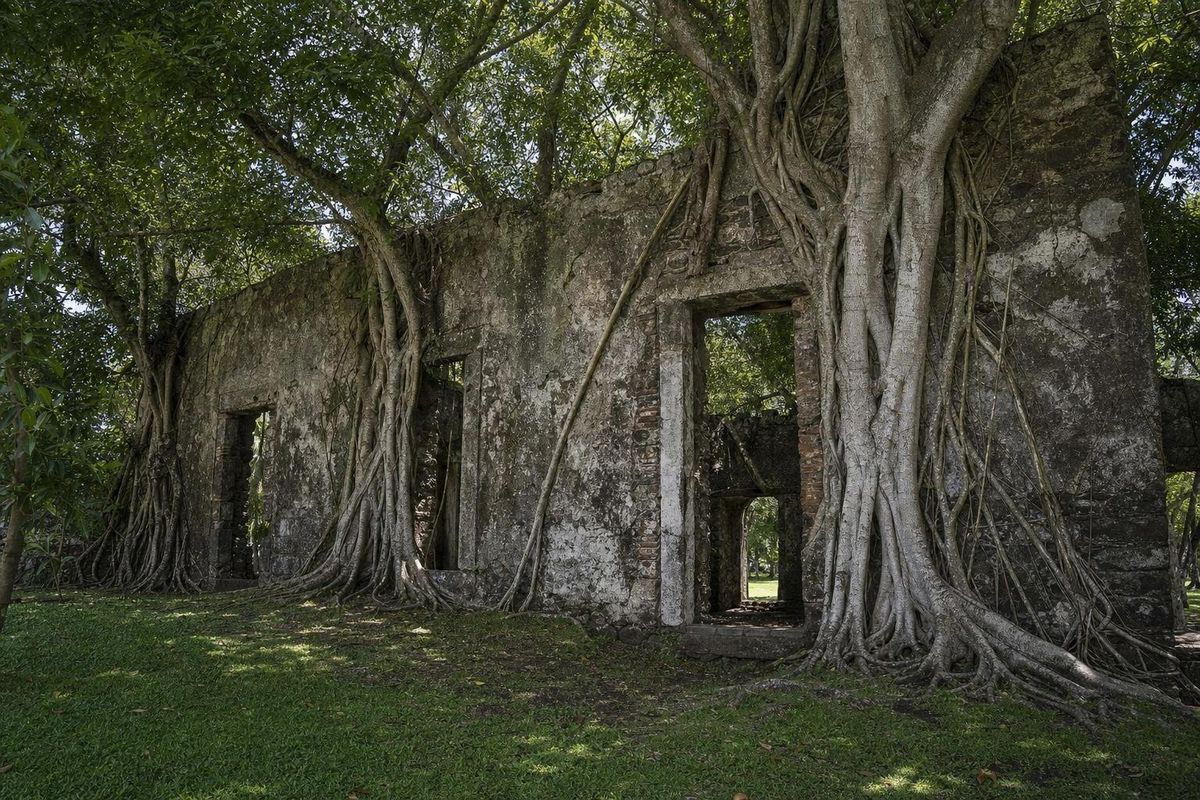
The most photographed building in La Antigua is a roofless stone house on the main square, its walls and doorways gripped by the roots of huge fig trees. Local tradition calls it the House of Cortés, and he is said to have lived or worked here. Historians are more cautious: the building may have served as a customs or administrative house of the early colonial port, and whether Cortés ever slept under its roof is not proven. Either way, it is one of the oldest Spanish structures in Mexico, and the trees have made it look ancient. Stabilisation work has propped up parts of it, so walk only where paths allow.
Ermita del Rosario
A few streets away, the small whitewashed Ermita del Rosario is traditionally dated to the 1520s and counted among the first churches built by the Spanish on the mainland. It is a simple single-nave chapel with thick walls and a modest bell gable, and it is still used. The exact founding year is hard to confirm, but the building's age and plain form are obvious from the doorway.
The ceiba by the river
Near the riverbank stands a large ceiba, a tree sacred to the Maya and widespread along the Gulf coast. Local tradition says Cortés tied his boats to it. Ceibas can live for centuries, but no one has firmly dated this one, so the story is best taken as a story. The parish church, the Cristo del Buen Viaje, and a building identified as the first town hall complete the colonial walk, all within a few minutes of each other.
On the river
The Huitzilapan, whose Nahuatl name refers to hummingbirds, is now usually called the río La Antigua. A hanging footbridge crosses it in the village, and local fishermen offer boat rides upstream and toward the mouth. The banks are good for birds: herons, egrets, kingfishers and frigatebirds are common, and the river mouth draws terns and other shorebirds. Agree on the route and the price before boarding, and ask whether life jackets are on board.
La Antigua's riverside restaurants
For many people from Veracruz, La Antigua means lunch by the water. A string of open-air seafood restaurants lines the river near the bridge, most of them family-run, with plastic tables under palm roofs. Typical dishes are those of the Veracruz coast: fish cooked a la veracruzana with tomatoes, olives and capers, river prawns known as langostinos or acamayas, seafood cocktails and fried whole fish. Musicians playing marimba or son jarocho, the harp-and-guitar music of southern Veracruz, often walk between tables and play for tips. Weekends are busy with local families, and quality and prices vary from place to place, so look at what is being served and ask before ordering.
Getting there and when to go
From Veracruz city, follow Highway 180 north for roughly 25 km; the turn-off to La Antigua is clearly marked, and the village is about a kilometre from the highway. The drive takes around 30 to 40 minutes. Buses toward José Cardel can drop passengers at the junction, from where it is a short walk or taxi ride. The ruins of Cempoala lie roughly 20 km further north, which makes the two an easy pair; the historical thread continues inland toward Mexico City along the route Cortés took.
The Gulf coast is hot and humid most of the year. The drier months, roughly November to April, are the most comfortable, although cold northerly winds called nortes can bring grey skies and rough seas in winter. Summer and early autumn bring heavy rain and fall within hurricane season. Mosquitoes are common by the river, especially at dusk.
Practical notes
The village is small, quiet and easy to walk, but services are limited: carry cash and do not count on finding an ATM. Wear sturdy shoes around the House of Cortés, where roots and broken masonry make the ground uneven. For a site that was already ancient when Cortés arrived, the pyramids of Teotihuacán near Mexico City make a striking contrast, and other small towns are collected under towns and villages.
The river meets the Gulf only a few kilometres downstream of the village, close enough for the small ships of the 1500s to sail up and tie up beside the town.
Questions about La Antigua
Is La Antigua the same as Villa Rica de la Vera Cruz?
It was one of its sites. The town founded by Cortés in 1519 moved twice, and from the mid-1520s until around 1600 it stood at La Antigua before moving to the present location of Veracruz.
Did Cortés really live in the House of Cortés?
That is the local tradition, but it is not proven. The building may have been an early customs or administrative house of the colonial port.
How far is La Antigua from Veracruz?
About 30 km north, roughly half an hour to 40 minutes by car along Highway 180.
Is La Antigua worth a visit for food?
Many visitors from Veracruz come mainly for the riverside seafood restaurants, especially at weekends. Combining lunch with the colonial sites makes an easy half day.
Is La Antigua the same as Antigua Guatemala?
No. Antigua Guatemala is a much larger colonial city in Guatemala. La Antigua is a small village in the Mexican state of Veracruz.
Nearby on the map
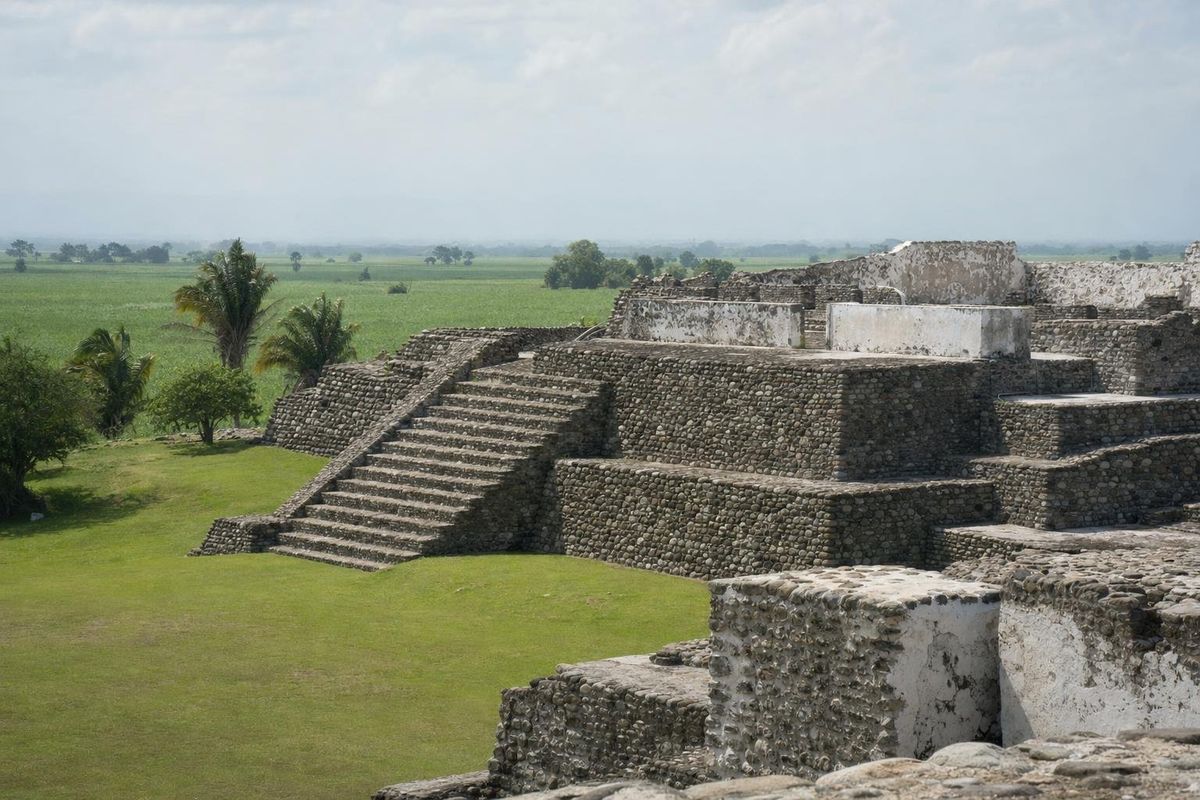
AI-generated image Maya Ruins · Veracruz
Cempoala
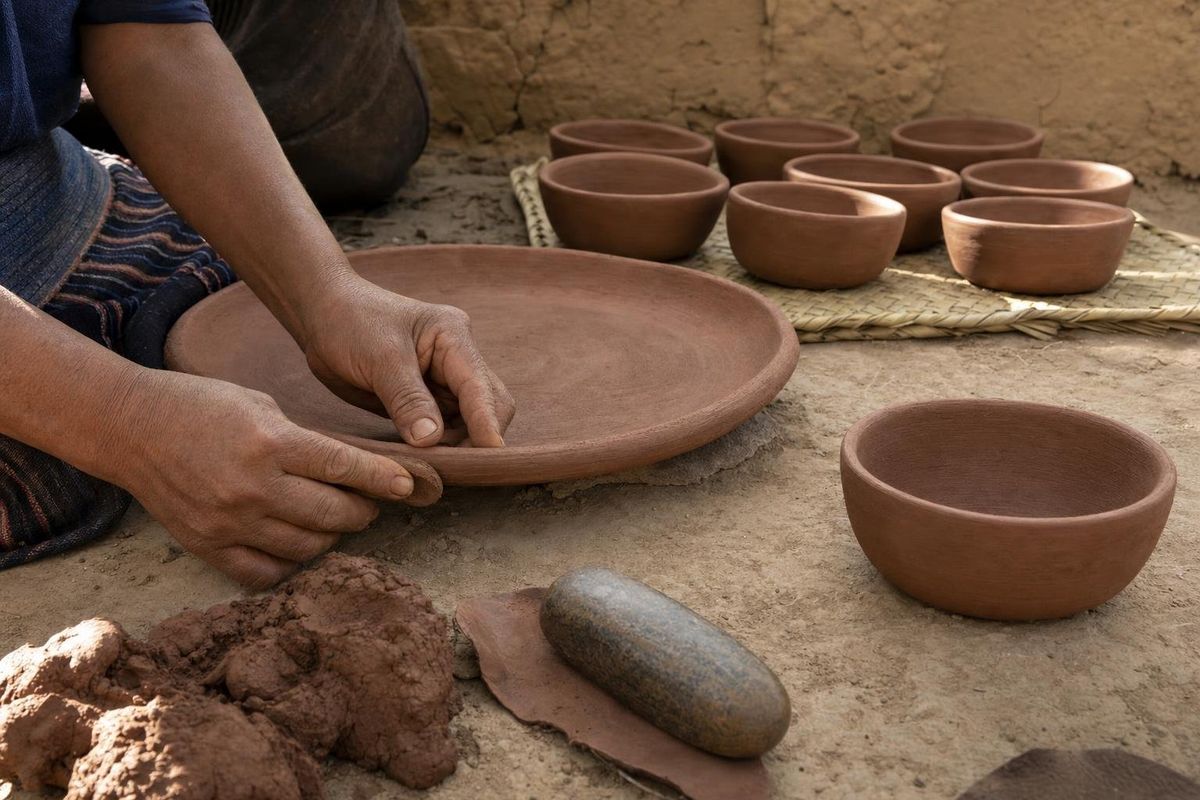
AI-generated image People of Mexico · Oaxaca
Zapotec pottery
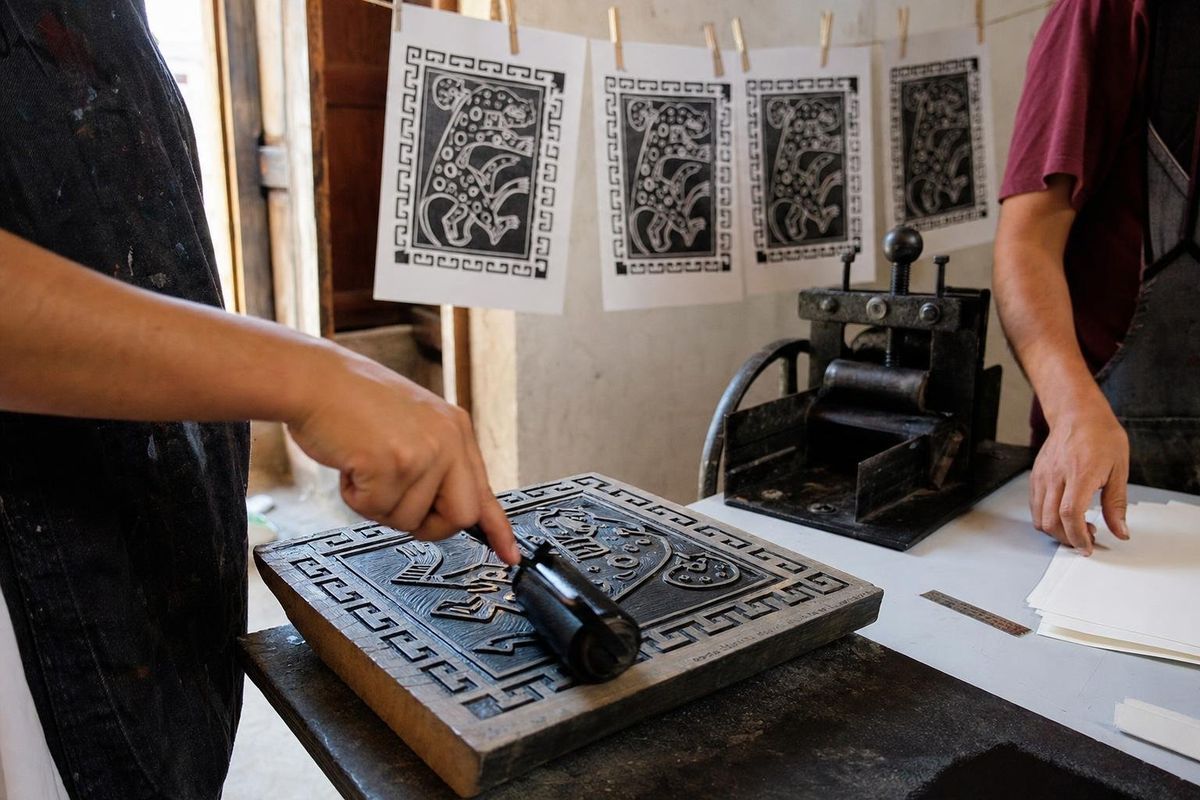
AI-generated image People of Mexico · Oaxaca
Zapotec art
AI-generated image People of Mexico · Oaxaca
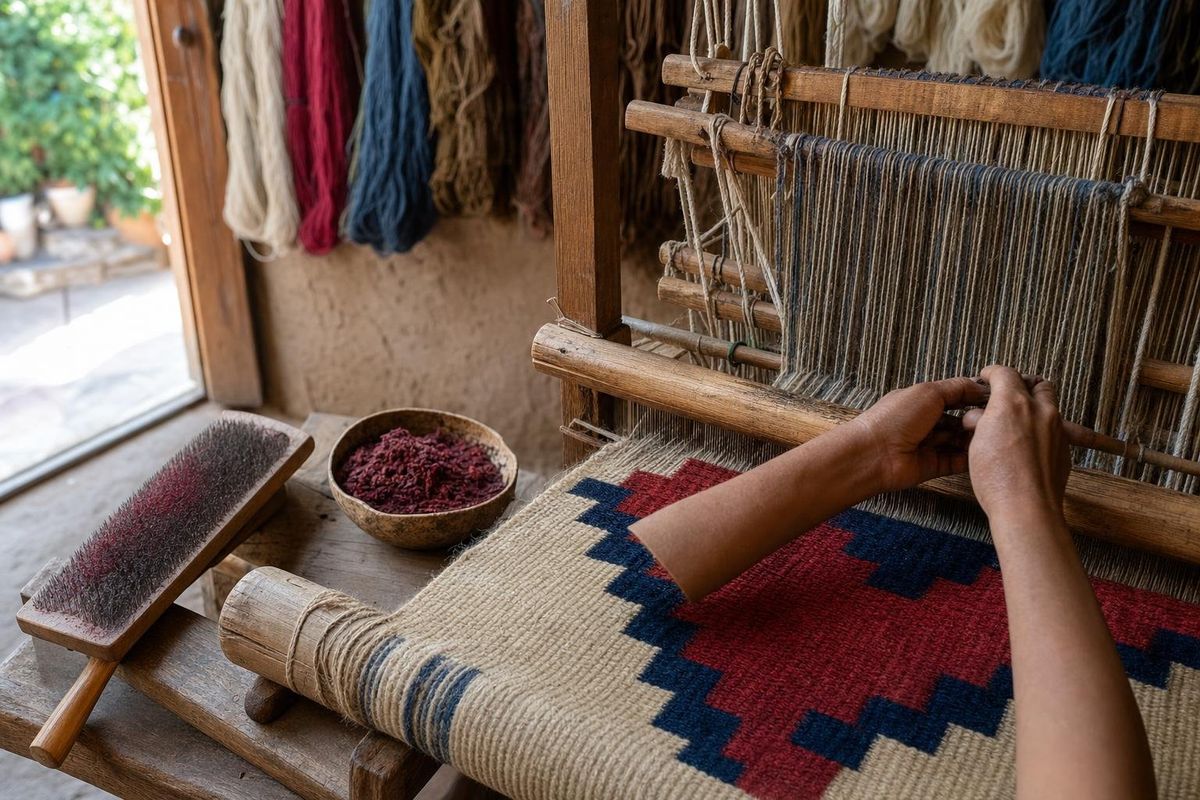
Zapotec rugs