
−5 m · Shallows · Towns & Villages · Chiapas
Chiapa de Corzo: A Colonial River Town at the Mouth of Sumidero Canyon
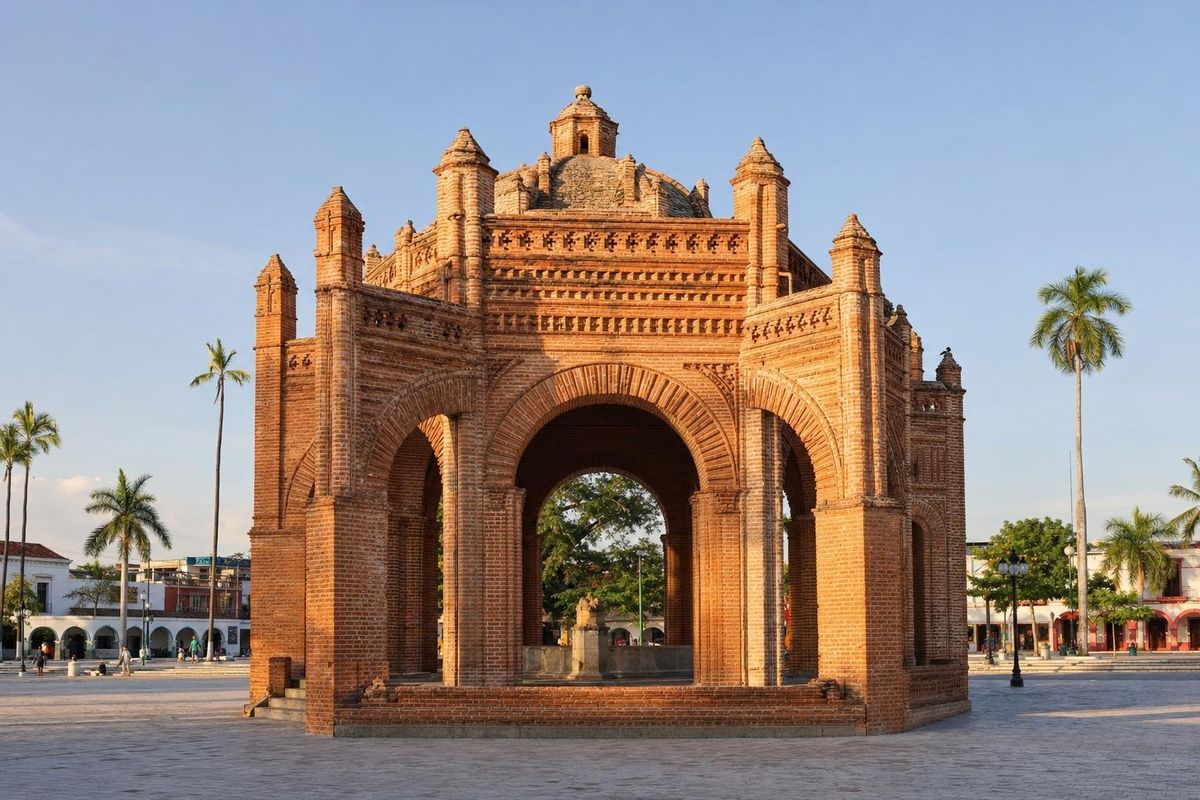
Chiapa de Corzo is a colonial town on the Grijalva River in central Chiapas, about 15 km east of the state capital, Tuxtla Gutiérrez. Most visitors come for the boat trips into Sumidero Canyon, which leave from its river front, but the town itself repays a few hours: a sixteenth-century brick fountain, a Dominican church, a lacquer craft tradition and one of the best-known fiestas in Mexico.
Why Chiapa de Corzo is worth a stop
The town sits low and hot on the river, a world away in climate from San Cristóbal de las Casas in the highlands, about an hour's drive up the mountains. Its history runs deep. Long before the Spanish arrived, the area was home to the Chiapanec people, a group unrelated to the Maya who gave the state its name. Earlier still, a pre-Hispanic settlement here was occupied for well over two thousand years.
The Spanish conquest of the region in the 1520s began nearby, and the town that grew up became an important Dominican center. The "de Corzo" in its name honors Ángel Albino Corzo, a nineteenth-century governor of Chiapas born here. Mexico has listed it among its Pueblos Mágicos, the national program for historic towns.
La Pila and the main square
The centerpiece of the plaza is La Pila, a brick fountain finished in the 1560s. It is built in the Mudéjar style, the Moorish-influenced brickwork that Spanish builders brought from Andalusia, and its domed top is often compared to a crown. Arched openings run around an octagonal pavilion, and the fountain once supplied the town with water. Few buildings of its age and style survive anywhere in Mexico.
Around the plaza run arcaded buildings and, a short walk toward the river, the large church and former convent of Santo Domingo, dating from the sixteenth century. Part of the convent houses a museum dedicated to lacquer work.
Lacquer, masks and the chiapaneca dress
Chiapa de Corzo has a long tradition of laca, a lacquer technique applied to gourds, boxes and wooden chests. Artisans build up layers of a fatty base and mineral pigments, then paint flowers and birds on top in bright colors. The craft has pre-Hispanic roots and was adapted under colonial rule.
The town is also the home of the chiapaneca dress, the costume worn by women during the January fiesta and later adopted as a symbol of the whole state. It combines a black or dark tulle skirt and blouse with dense floral embroidery in bright silk threads, wide flounces and a lace trim. The flowers are worked by hand, and a full dress takes a long time to make. Workshops in town embroider and sell them, and the style turns up at dances and folk performances throughout Mexico.
The third craft is mask carving. The Parachico masks are carved from wood, painted with pale skin, blue eyes and rosy cheeks, and framed by a headdress of fiber dyed to look like blond hair.
The Fiesta Grande and the Parachicos
Every January, roughly from the 8th to the 23rd, Chiapa de Corzo holds its Fiesta Grande in honor of three saints: the Lord of Esquipulas, Saint Anthony Abbot and Saint Sebastian. The Parachicos are its best-known figures. Men in the wooden masks, striped serapes and bright ribbons dance through the streets shaking metal rattles, led by a patrón who plays a guitar or flute and calls out verses. Women in the chiapaneca dress join the processions.
UNESCO added the Parachicos in the traditional January feast to its list of the Intangible Cultural Heritage of Humanity in 2010. The fiesta also includes a mock naval battle on the river, fireworks and a procession of decorated boats. The town fills up during these weeks, so book a bed early or stay in Tuxtla.
Sumidero Canyon by boat
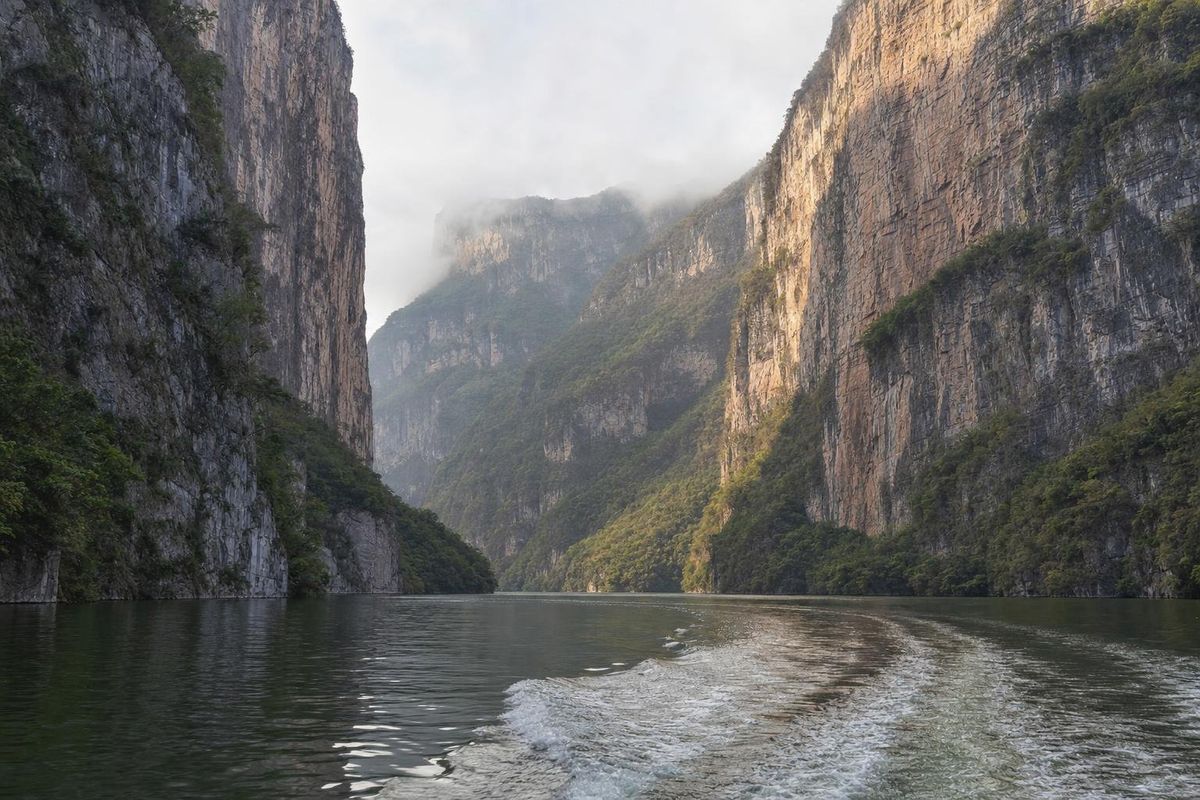
Launches leave from the river front of Chiapa de Corzo and head north into Sumidero Canyon, where the Grijalva runs between walls that rise to roughly a kilometer at their highest point. The canyon is a national park. A typical round trip takes about two hours and reaches the Chicoasén dam at the far end before turning back.
Along the way, boatmen point out crocodiles on the banks, spider monkeys and herons, a waterfall whose mineral deposits have formed a mossy formation known as the Christmas Tree, and caves with shrines. Rubbish carried by the river after heavy rain can collect in the canyon, which is a known problem the park struggles with. Viewpoints along a road from Tuxtla offer the view from above, and both are worth doing if you have time.
The archaeological zone
On the edge of town lies the archaeological zone of Chiapa de Corzo, a set of low mounds and platforms. It does not look like much, but it is one of the longest-occupied sites in Mesoamerica, settled before 1000 BC and active for many centuries. A fragment of Stela 2 found here carries a Long Count date corresponding to 36 BC, one of the earliest known, and excavations in Mound 11 uncovered a tomb from around 700 BC, among the oldest elite burials in the region. The site is small and quiet. Opening days vary, so check with INAH or locally before making the trip.
Getting there and when to go
Chiapa de Corzo is a short drive or colectivo ride from Tuxtla Gutiérrez, which has the main airport in the region. From San Cristóbal de las Casas the road descends for roughly an hour. Many visitors combine the canyon boat ride with the town on the way between the two cities.
The town is warm all year and hot in April and May. The dry season, roughly November to April, brings clearer skies for the canyon. Rain in summer raises the river and greens the walls. January is the time for the fiesta, but also the busiest.
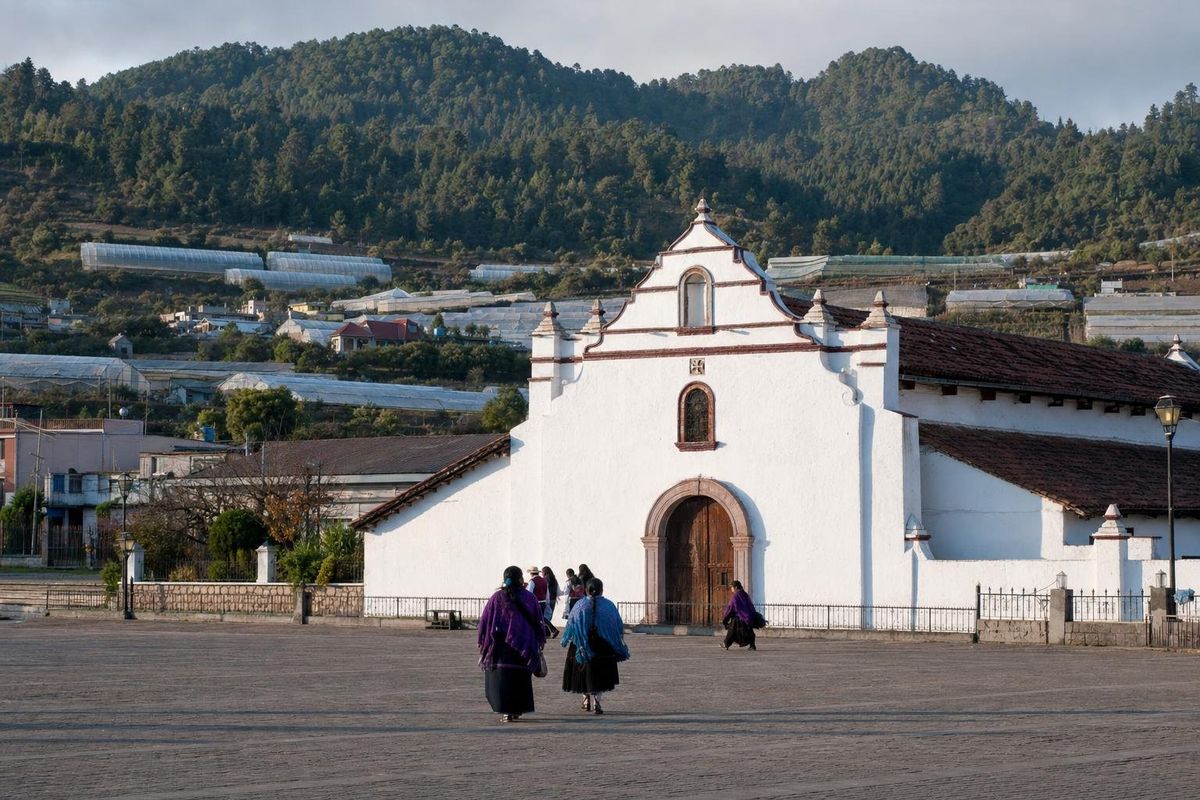
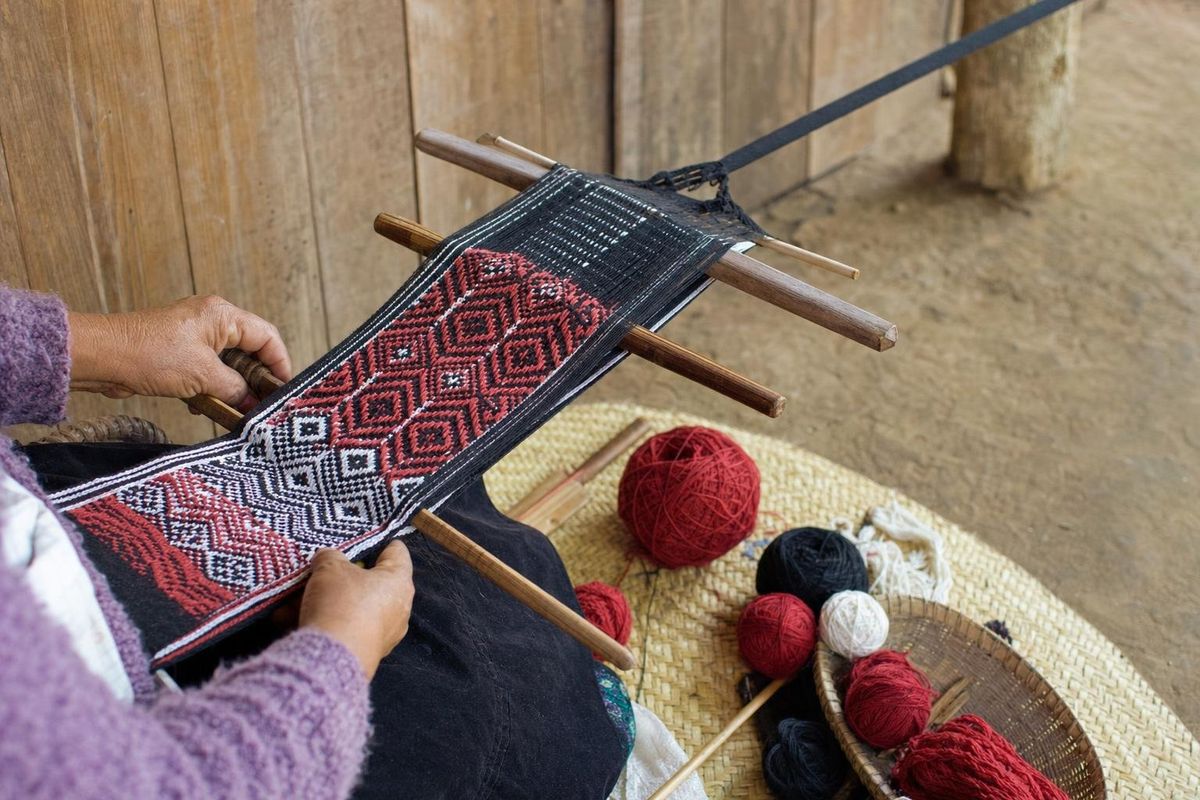
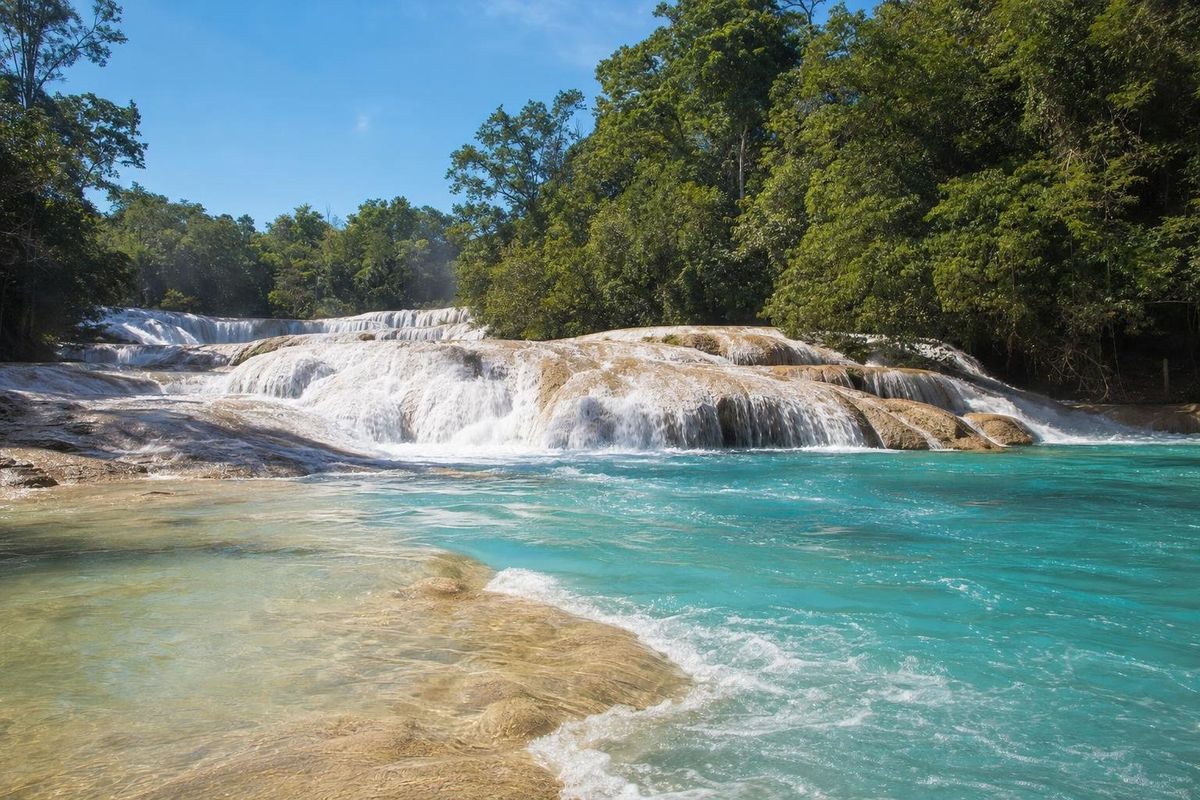
From here, the road east leads toward the Tzotzil town of Zinacantán and the highlands, and further on to the waterfalls of Agua Azul. For more on the weavers of the highlands, see the Tzotzil Maya weaver, and for other towns, the towns and villages section. On the river front, look for the vendors selling pozol, the cold corn and cacao drink sold in gourds across Chiapas.
Chiapa de Corzo questions
How far is Chiapa de Corzo from Tuxtla Gutiérrez?
About 15 km, roughly 20 to 30 minutes by road. Shared vans run between the two towns throughout the day.
When is the Parachicos fiesta in Chiapa de Corzo?
The Fiesta Grande takes place in January, roughly from the 8th to the 23rd, with the Parachico dancers out in the streets on many days.
What is the chiapaneca dress?
It is the festive costume from Chiapa de Corzo: a dark tulle skirt and blouse covered in bright, hand-embroidered flowers, worn by women during the January fiesta and now a symbol of Chiapas.
Do Sumidero Canyon boats leave from Chiapa de Corzo?
Yes. The main embarkation point is the river front in town, and a round trip usually takes around two hours.
Is Chiapa de Corzo the same as Chiapas de Corzo?
Yes. The correct name is Chiapa de Corzo, without the s, although the spelling with an s is a common mix-up with the name of the state.
Nearby on the map
AI-generated image Lakes & Rivers · Chiapas
Sumidero Canyon
AI-generated image Towns & Villages · Chiapas
Zinacantán
AI-generated image People of Mexico · Chiapas
Tzotzil weaving
AI-generated image Lakes & Rivers · Chiapas
Agua Azul